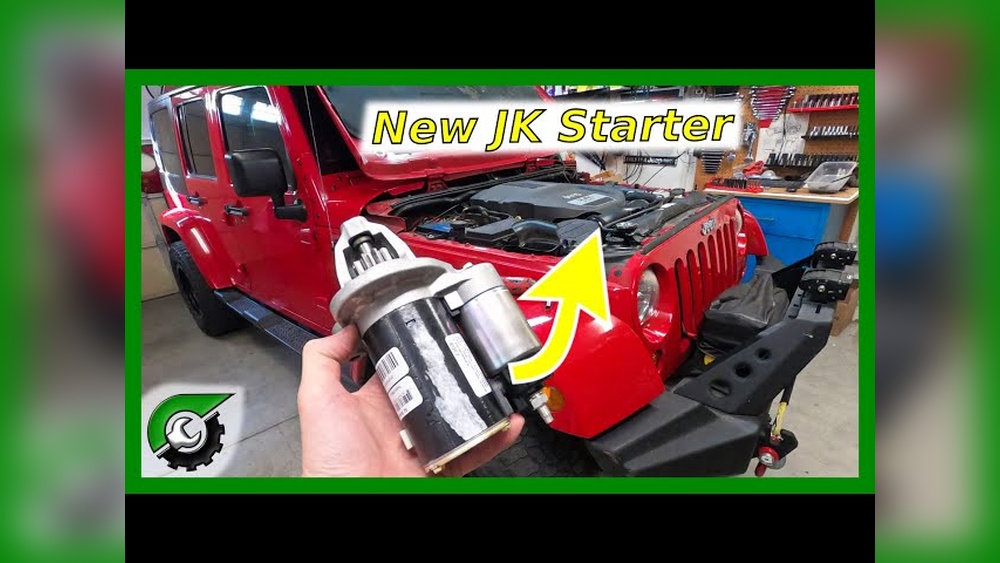
Changing the starter on a Jeep might sound like a big job, but with the right guidance and tools, many owners can do it themselves. Starters do the crucial work of turning your engine over, and when they fail, your Jeep won’t start at all.
Replacing a faulty starter at home can save you money and give you a better understanding of your vehicle. This guide walks you through the process, shares expert tips, and highlights key differences between Jeep models.
What You Need Before You Start
Preparation is the key to a smooth starter replacement. Before you get under the hood, make sure you have these tools and materials ready:
- Socket set (metric and standard sizes)
- Wrenches
- Ratchet and extensions
- Jack and jack stands or ramps
- Safety glasses and gloves
- Replacement starter (check compatibility with your Jeep’s year and model)
- Battery terminal puller (optional, for easy removal)
- Shop manual (helpful for torque specs and diagrams)
Always double-check your new starter matches the old one. Even a small difference in mounting holes or connectors can create major headaches.
Step-by-step: How To Change A Starter On A Jeep
Let’s walk through the process for most Jeep models, such as the Wrangler, Cherokee, and Grand Cherokee. While locations and bolt sizes may vary, the basic steps are similar.
1. Disconnect The Battery
Always start by disconnecting the negative battery terminal. This prevents electrical shorts and keeps you safe.
2. Safely Raise The Jeep
Use a jack and secure the Jeep with jack stands. Make sure the vehicle is stable before crawling underneath. For some models, you can access the starter from above, but most require working from below.
3. Locate The Starter
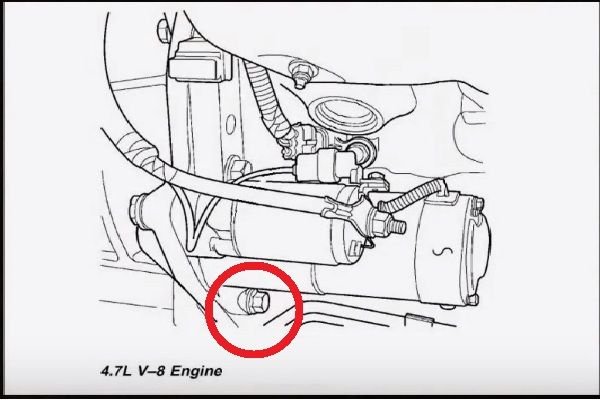
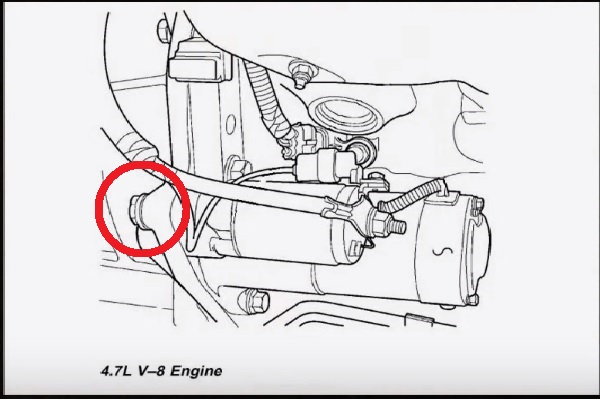
The starter is usually found on the passenger side of the engine, near where the engine and transmission meet. It’s a cylindrical part, sometimes with wires attached and a small solenoid on top.
4. Remove Electrical Connections
Carefully disconnect the main power cable and signal wire from the starter. If the connectors are corroded, use a wire brush to clean them.
5. Remove The Starter Bolts
There are usually 2 or 3 bolts holding the starter. Use the right socket and extension, and support the starter with one hand as you remove the last bolt it can be heavy.
6. Remove The Old Starter
Lower the starter gently. If it’s stuck, wiggle it side to side until it comes free.
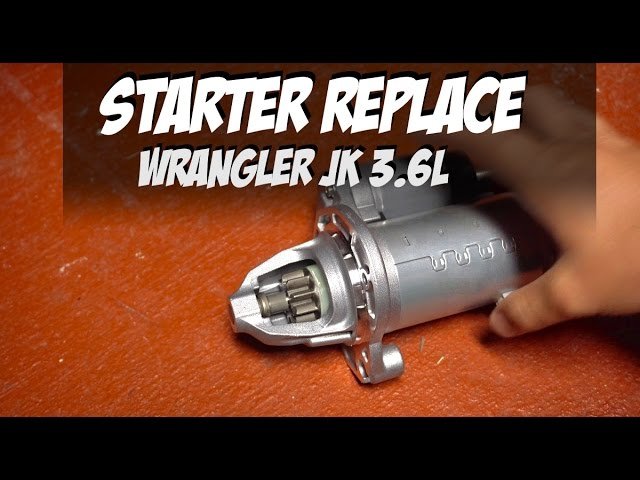
7. Compare Old And New Starters
Place both starters side by side. Compare the mounting holes, electrical terminals, and overall length. This is a critical step to avoid installing the wrong part.
8. Install The New Starter
Position the new starter and hand-tighten the bolts. Once all bolts are in, torque them to the manufacturer’s specs (usually around 30 40 ft-lbs, but check your manual).
9. Reconnect Wires And Battery
Attach the wires to the new starter, making sure the connections are snug. Finally, reconnect the battery terminal.
10. Test The Repair
Start your Jeep. It should crank immediately.
Listen for any strange noises grinding or clicks may mean the starter isn’t aligned properly.
Key Differences: Jeep Model Starter Locations
Some Jeep models have starters in slightly different places. Here’s a quick comparison for common models:
| Jeep Model | Starter Location | Access Method |
|---|---|---|
| Wrangler TJ | Passenger side, bottom of engine | From underneath |
| Cherokee XJ | Passenger side, near oil pan | From underneath |
| Grand Cherokee WJ | Front passenger side | From underneath or wheel well |
| Compass/Patriot | Front of engine | From above |
Check your owner’s manual or a Jeep forum for your exact model if you’re unsure.
Common Mistakes When Replacing A Starter
Mistakes can lead to wasted time or even damage. Here are errors to avoid:
- Forgetting to disconnect the battery: This is dangerous and can cause sparks.
- Not supporting the starter: It’s heavier than it looks, and dropping it can damage you or the vehicle.
- Mixing up wires: Take a photo before disconnecting anything.
- Overtightening bolts: This can strip threads or crack the starter housing.
- Not checking starter alignment: A misaligned starter can cause grinding noises and rapid wear.
Troubleshooting: What If Your Jeep Still Won’t Start?
Sometimes, replacing the starter doesn’t fix the problem. Here are related issues to consider:
- Dead battery: Test voltage with a multimeter (should be at least 12.4 volts).
- Bad starter relay: Listen for a click when turning the key.
- Corroded battery cables: Clean all connections.
- Faulty ignition switch: If all else fails, this may be the culprit.
A common overlooked issue is a weak ground connection. Make sure the ground strap from the engine to the chassis is clean and tight.
Cost Comparison: Diy Vs. Professional Starter Replacement
Here’s a look at the typical costs for replacing a Jeep starter yourself vs. using a mechanic:
| Replacement Option | Average Cost | Time Required |
|---|---|---|
| DIY Replacement | $100–$250 (starter only) | 1–2 hours |
| Mechanic/Shop | $350–$600 (parts & labor) | 2–3 hours |
Doing it yourself saves money, but requires tools and time. A shop provides convenience and a warranty on labor.
Tips For A Smoother Starter Replacement
- Use penetrating oil on bolts before removal—especially on older Jeeps.
- Label wires with tape for easy reinstallation.
- Take photos as you go for reference.
- If your Jeep has a skid plate, remove it for better access.
One less obvious tip: Always check for manufacturer recalls or technical service bulletins. Occasionally, Jeep has issued starter-related updates. You can find these on the National Highway Traffic Safety Administration website.
Frequently Asked Questions
How Do I Know If My Jeep Starter Is Bad?
Common signs include a single click when turning the key, slow cranking, or no sound at all. Sometimes, tapping the starter with a wrench can temporarily get it working, but this is a short-term fix.
Can I Replace A Jeep Starter Without A Lift?
Yes, most Jeep starters can be replaced with the vehicle on jack stands or ramps. Just ensure the Jeep is stable before working underneath.
Do I Need To Program The New Starter?
No programming is needed for most Jeep starters. Just ensure the replacement matches your model and year.
How Long Does It Take To Change A Starter On A Jeep?
For a beginner, expect 1 2 hours. With experience, it can be done in under an hour.
Will A Bad Starter Drain My Jeep’s Battery?
A failing starter can draw excess current, which may drain the battery over time. However, if your Jeep won’t start after replacing the starter, check the battery and charging system as well.
A starter replacement is a practical job for many Jeep owners. With preparation and care, you can restore your Jeep’s reliability and keep it ready for any adventure.