Driving a Jeep in snowy conditions is both exciting and challenging. Snow changes how your vehicle handles, how much traction you have, and what you need to do to stay safe. Whether you’re new to winter driving or want to sharpen your skills, learning how to drive a Jeep in snow can make all the difference.
This guide covers practical steps, essential tips, and common mistakes to avoid—so you can travel safely and confidently, even in the harshest weather.
Preparing Your Jeep For Snow
Before you hit the road, your Jeep needs to be ready for winter. Jeeps are known for their off-road abilities and four-wheel drive, but preparation is still crucial.
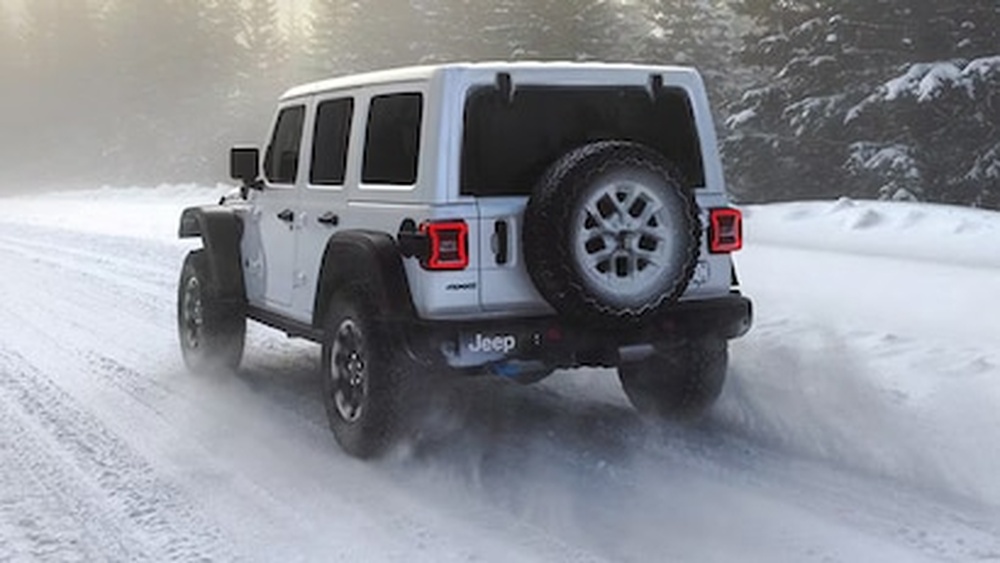
- Check your tires. Use winter tires or all-terrain tires with good tread. Tires designed for snow offer better grip and shorter stopping distances.
- Inspect your battery. Cold weather can weaken batteries. Make sure it’s fully charged and the terminals are clean.
- Top off fluids. Use winter-grade windshield washer fluid and keep your gas tank at least half full to prevent fuel line freeze.
- Test your 4WD system. Engage it briefly before the snow starts to ensure it works smoothly.
- Pack essentials. Bring a snow brush, ice scraper, small shovel, flashlight, and warm blankets. Emergencies are more common in snow.
Jeeps often feature higher ground clearance, but that doesn’t mean you’re invincible in deep snow. Even a Jeep can get stuck if you’re not careful.
Key Techniques For Driving In Snow
Driving in snow requires a different approach compared to dry roads. Here are the techniques that matter most:
Slow And Steady Wins
- Accelerate gently. Quick starts can make tires spin. Apply the gas slowly.
- Brake early and softly. Start braking sooner than normal. Pump brakes lightly if you don’t have ABS.
- Increase following distance. Leave 8-10 seconds between you and the car ahead, not the normal 3-4 seconds.
Use Four-wheel Drive Smartly
Jeeps offer several 4WD modes. Knowing when to use them is essential.
| 4WD Mode | When to Use | Notes |
|---|---|---|
| 2H (Two-Wheel High) | Dry pavement | Not for snow |
| 4H (Four-Wheel High) | Light/moderate snow | Use at speeds up to 55 mph |
| 4L (Four-Wheel Low) | Deep snow, hills | Low speed only |
Always shift into 4WD before you need it—if you wait until you’re stuck, it’s too late.
Handle Slippery Turns
Take turns slowly. If your Jeep starts to slide, steer gently in the direction you want to go. Avoid slamming the brakes or jerking the wheel.
Use Engine Braking
Instead of relying only on brakes, use lower gears to slow down, especially on hills. This helps prevent skidding.
Common Mistakes To Avoid
Many drivers, even in Jeeps, make the same errors in snow. Here’s how to avoid them:
- Overconfidence. Jeeps handle snow well, but ice is slippery for every vehicle. Stay cautious.
- Sudden movements. Jerky acceleration, braking, or steering can cause loss of control.
- Not clearing snow/ice. Always clear all windows, mirrors, and lights before driving.
- Ignoring tire pressure. Cold weather lowers tire pressure. Check often for safety and better grip.
A surprising insight: using cruise control on snow is dangerous. It can cause your tires to spin unexpectedly if you hit a slick patch.
When To Use Snow Chains
In most situations, good winter tires and 4WD are enough for a Jeep. However, snow chains provide extra grip in extreme conditions—like mountain roads or during a blizzard.
| Situation | Recommended Action |
|---|---|
| City driving, light snow | Winter tires only |
| Deep snow, unplowed roads | Winter tires + chains |
| Mountain passes, ice | Chains strongly advised |
Not all states allow tire chains on public roads. Always check local laws before using them.

What To Do If You Get Stuck
Even with the best preparation, getting stuck happens. Here’s how to get moving again:
- Don’t spin your tires. This digs you in deeper. Instead, gently rock the Jeep back and forth by shifting from drive to reverse.
- Clear snow from tires. Use a small shovel to clear the path in front of all four tires.
- Use traction aids. Place floor mats, sand, or even kitty litter under the tires for extra grip.
- Lower tire pressure slightly. Reducing pressure by 5-10 psi can increase your tire’s surface area and improve traction (remember to reinflate later).
Another tip: If you’re stuck alone, stay with your vehicle. It’s safer and easier for rescuers to find you.
Essential Snow Driving Safety Tips
A few extra habits can keep you even safer in winter:
- Keep headlights on at all times for visibility.
- Avoid using the parking brake in extreme cold, as it may freeze.
- Carry a cell phone charger in case you need help.
- Tell someone your route and expected arrival time before you travel in bad weather.
A beginner mistake is assuming plowed roads are always safe. Black ice can still form, especially on bridges and shaded areas.

Frequently Asked Questions
How Fast Should I Drive My Jeep In Snow?
You should drive 5-10 mph slower than the speed limit, or even slower if visibility is poor or roads are icy. Always adjust your speed to the road conditions, not just the posted speed.
Do I Need Winter Tires If My Jeep Has 4wd?
Yes, winter tires are recommended even for Jeeps with 4WD. Four-wheel drive helps with traction, but tires are what actually grip the road. Winter tires perform much better in cold and snow compared to all-season tires.
Can I Use Cruise Control While Driving In Snow?
No, using cruise control is unsafe on snowy or icy roads. It can cause loss of control if your tires slip, as the system will try to maintain speed instead of reducing power.
What Gear Should I Use Going Down A Snowy Hill?
Use a lower gear (such as “2” or “L”) to let the engine help slow you down. This is called engine braking and reduces your reliance on the brakes, helping to avoid skids.
Where Can I Learn More About Winter Driving Safety?
For more in-depth tips, visit the National Highway Traffic Safety Administration, which offers official guidance on winter driving.
Driving a Jeep in snow is about more than just having the right vehicle—it’s about using smart techniques, preparing ahead, and staying calm if things go wrong. With these tips and a bit of practice, you can handle snowy roads with much more confidence and safety.