Owning a Jeep Wrangler is all about adventure. Whether you drive through mud, sand, or snow, your Jeep faces harsh conditions. But with those experiences comes a common problem: rust. Rust can weaken your vehicle, make repairs expensive, and lower resale value. Luckily, preventing rust is possible with the right steps and regular care. This guide gives you practical advice to protect your Jeep Wrangler from rust, even if you’re not an expert.
Why Jeep Wranglers Are Prone To Rust
Jeep Wranglers are built for off-road action. Their exposed underbody, removable doors, and open design mean water, mud, and salt can easily reach metal parts. Studies show that vehicles regularly driven in snowy climates face up to 10 times more corrosion than those in dry areas. Wranglers, with their steel frame and body, are especially vulnerable if not protected.
Steps To Prevent Rust On Your Jeep Wrangler
1. Wash Your Jeep Regularly
Dirt, salt, and mud stick to your Jeep’s metal parts. If you leave these on, they speed up rust. Wash your Wrangler at least once a week in winter and after every off-road trip. Pay attention to the undercarriage and wheel wells, as these areas collect the most grime.
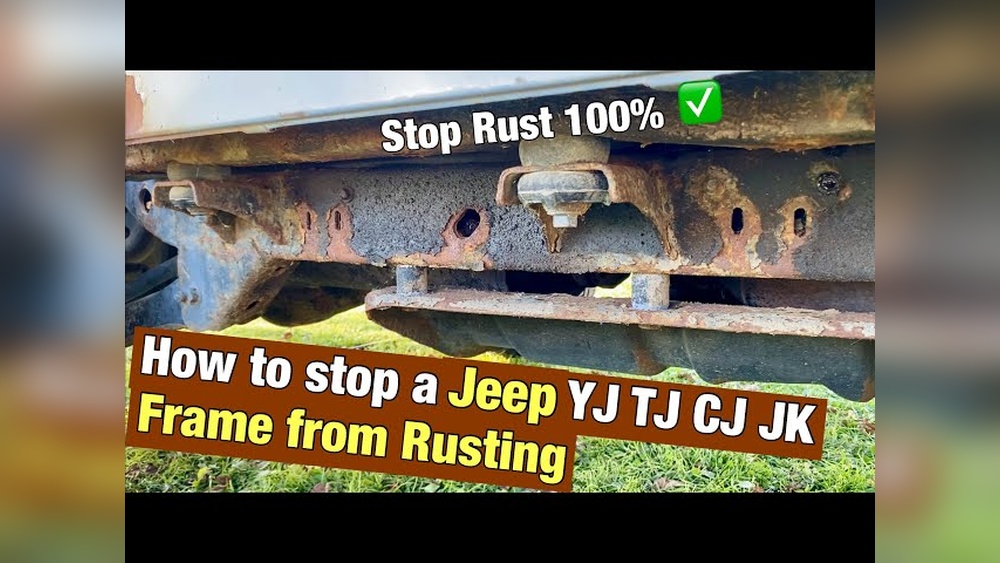
- Use a pressure washer for hard-to-reach spots.
- Clean inside door jams and hinges, not just the visible panels.
2. Dry Thoroughly After Washing
Moisture can get trapped in small spaces. After washing, dry your Jeep with a microfiber towel and let it sit in the sun or a dry garage. Open doors and remove floor mats to let air flow inside.
3. Apply Rust-proofing Products
There are many rust inhibitors and sprays designed for vehicles. Products like WD-40 Specialist Long-Term Corrosion Inhibitor or Fluid Film can be sprayed on metal parts. For maximum protection, apply these after cleaning and drying.
| Product | Protection Duration | Ease of Application |
|---|---|---|
| Fluid Film | 6-12 months | Easy spray |
| WD-40 Specialist | Up to 1 year | Spray nozzle |
| POR-15 Rust Preventive | 2+ years | Brush-on |
4. Inspect And Touch Up Paint
Scratches, chips, and dents expose bare metal. Check your Jeep’s paint regularly, especially after off-roading. Use touch-up paint to cover any damaged spots.
- Touch-up kits are available at most auto stores.
- For larger areas, consider professional repair.
5. Protect The Undercarriage
The undercarriage is your Jeep’s most exposed area. Consider applying a rubberized undercoating. This acts as a barrier against water, salt, and debris.
| Undercoating Type | Water Resistance | Durability |
|---|---|---|
| Rubberized | High | 2-3 years |
| Wax-based | Moderate | 1-2 years |
| Oil-based | Low | 6-12 months |
6. Avoid Parking On Grass Or Dirt
Grass and soil hold moisture, which can rise and condense on your Jeep’s underbody. Whenever possible, park on concrete, asphalt, or in a garage.
7. Remove And Clean Floor Mats
Wet floor mats can cause rust in the floorboards. Remove mats after every wet drive and let them dry completely. Consider using all-weather mats, which are easier to clean and dry.
8. Check Drain Holes
Wranglers have drain holes in the doors and floor. These let water escape, but they can get clogged. Inspect them every few months and clear out any debris.
9. Repair Rust Early
If you see surface rust (orange spots), treat it right away. Sand the area, apply rust converter, and repaint. Catching rust early prevents expensive repairs.
10. Store Your Jeep Properly
If you’re not driving your Wrangler for weeks, store it in a dry, covered space. Use a breathable car cover—not plastic—to prevent moisture buildup.
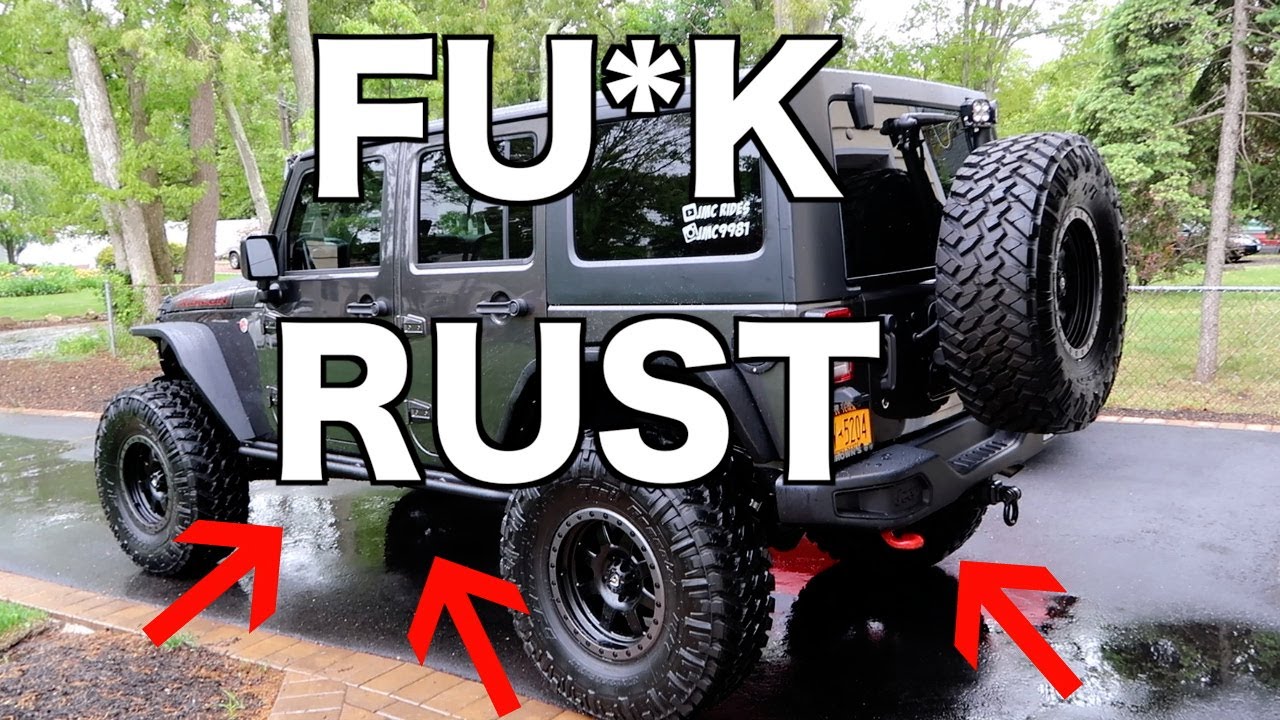
Extra Tips Jeep Owners Often Miss
Many Jeep owners focus on visible parts but forget hidden areas. Here are two tips that beginners usually miss:
- Hinge Lubrication: The door and hood hinges are often ignored. Apply rust inhibitor to these parts every few months.
- Frame Inspection: The frame behind bumpers and under skid plates can collect mud and salt. Remove skid plates once a year and clean behind them.
Comparing Prevention Costs
Preventing rust is cheaper than fixing it later. Here’s a look at the costs:
| Prevention Method | Annual Cost | Repair Cost (if ignored) |
|---|---|---|
| Regular Washing | $150 | $500+ per panel |
| Rustproofing | $100 | $2,000+ for frame |
| Touch-Up Paint | $30 | $400+ per area |

How Weather Impacts Rust
Jeep Wranglers used in coastal areas or snowy regions rust faster. Salt from roads or sea air speeds up corrosion. If you live in these climates, increase washing frequency and apply rustproofing twice a year.
Frequently Asked Questions
What Causes Rust On Jeep Wranglers?
Rust forms when metal reacts with water and oxygen, creating iron oxide. Road salt, mud, and scratches make it easier for rust to start.
How Often Should I Wash My Jeep To Prevent Rust?
Wash your Jeep once a week in winter or salty environments. After off-road trips, wash immediately to remove mud and debris.
Is Professional Rustproofing Worth It?
Professional rustproofing offers longer-lasting protection and can reach hidden areas. It usually costs $200–$500. For most owners, yearly professional treatment is a smart investment.
Can I Use Household Products To Prevent Rust?
Some household products like WD-40 can help, but automotive-specific sprays last longer and are safer for paint. Always use products made for cars.
What Should I Do If I Find Rust Spots?
Treat rust spots right away. Sand the area, apply a rust converter, and repaint. Delaying repair leads to deeper rust and higher costs.
Protecting your Jeep Wrangler from rust is all about regular care and smart prevention. By washing, drying, applying rustproofing, and inspecting your Jeep often, you can enjoy off-road adventures without worrying about corrosion. For more details on vehicle corrosion and prevention, visit Consumer Reports. Your Jeep deserves the best—make rust prevention a habit, not just a chore.