If you drive a Jeep Wrangler and notice the steering wheel is not centered, even when the wheels are straight, you’re not alone. This common issue often happens after lifting the suspension, changing tie rods, or doing wheel alignment. An off-center steering wheel is more than just annoying—it can affect driving comfort and may signal alignment problems.
With some basic tools and careful steps, you can fix this yourself and get your Jeep back to normal.
Why Your Jeep Wrangler Steering Wheel Gets Off-center
When you change your Wrangler’s suspension height or adjust steering parts, the steering linkage often moves. The most common cause is adjusting or replacing the drag link or tie rod. Even small changes can shift the steering wheel’s position. If the steering wheel is off-center, your Jeep’s alignment may be fine, but the wheel position isn’t.
Here are key reasons for this issue:
- Lift kits: Changing ride height affects steering geometry.
- Tie rod or drag link adjustments: These parts connect the wheels to the steering wheel.
- Wheel alignment: If not done carefully, the steering wheel may not stay centered.
Jeep Wranglers, especially JK and JL models, are sensitive to these changes. Many owners notice the problem after off-road upgrades.
What You Need To Center The Steering Wheel
You don’t need special tools. Here’s what you need:
- Wrench set (usually 15mm or 18mm)
- Pliers (optional for stubborn clamps)
- Jack and jack stands (for safety)
- Permanent marker or chalk (to mark adjustment points)
Before starting, park your Jeep on a flat surface. Set the parking brake and turn off the ignition.

Step-by-step Guide: Centering Your Steering Wheel
Follow these steps to fix your Jeep Wrangler steering wheel:
- Check the Steering Wheel Position
- Sit in the driver’s seat.
- Turn the wheels straight (look for even tire alignment).
- Notice how far the steering wheel is off-center (left or right).
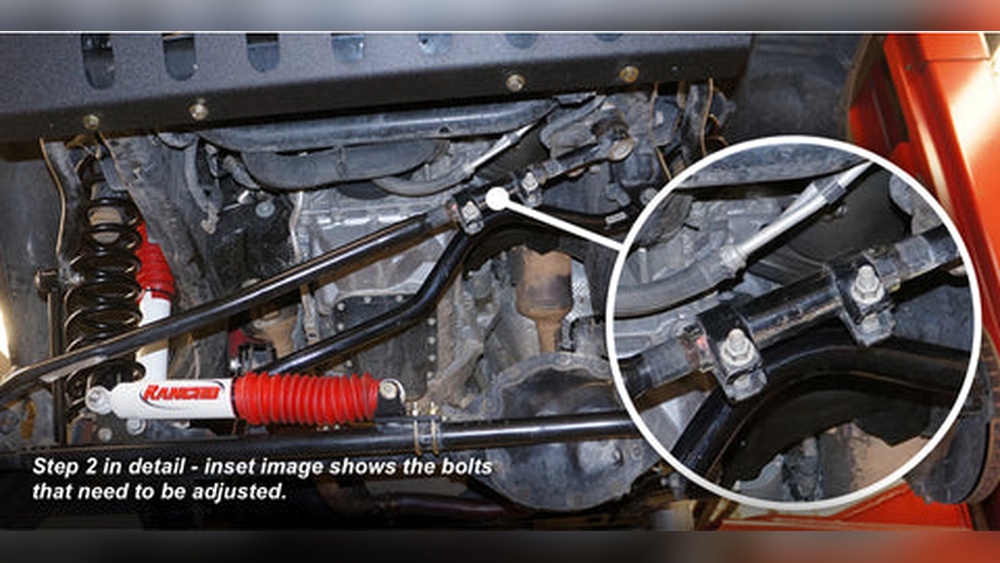
- Locate the Drag Link Adjustment
- Under the Jeep, find the drag link (runs from the steering box to the passenger side knuckle).
- Look for the adjustment sleeve with clamps.
- Mark the Current Setting
- Use a marker or chalk to mark the sleeve and the drag link. This helps track your changes.
- Loosen the Adjustment Clamps
- Use your wrench to loosen (but not remove) the clamps on the drag link sleeve.
- Adjust the Sleeve
- Turn the sleeve with your wrench. Small turns make big changes.
- If the wheel is left, turn the sleeve one way. If right, turn the other.
- After each quarter turn, check the steering wheel position.
- Test and Repeat
- Start the Jeep and drive slowly forward and backward.
- Check if the steering wheel is centered.
- If not, repeat the adjustment until the wheel sits straight when the wheels are straight.
- Tighten the Clamps
- Once centered, tighten the clamps securely.
- Double-check your marks to ensure nothing has slipped.
- Final Road Test
- Drive at normal speed. The steering wheel should stay centered.
- If it pulls or drifts, you may need a full alignment.
Example: How Much To Turn The Sleeve
Most Jeeps need only a quarter or half turn to fix the steering wheel. Turning the sleeve too much can make the wheel worse. If you’re unsure, adjust in small steps.
Data: Jeep Wrangler Steering Geometry Impact
Here’s a quick comparison of how lift kits affect steering wheel position:
| Lift Height | Steering Wheel Off-Center (Degrees) | Adjustment Needed |
|---|---|---|
| 0" (stock) | 0° | No |
| 2" lift | 10°–15° | Yes |
| 3.5" lift | 20°–25° | Yes |
| 4"+ lift | 30°+ | Major |
Larger lifts mean bigger adjustments. Always check steering after any suspension change.
Common Mistakes When Centering Steering Wheels
Many beginners make these mistakes:
- Over-adjusting: Turning the sleeve too much can reverse the problem.
- Ignoring alignment: Centering the wheel won’t fix poor alignment.
- Not marking original settings: Losing track of your starting point can make adjustment confusing.
Here’s a simple table showing the difference between drag link and tie rod adjustments:
| Part | Function | Affects Steering Wheel? |
|---|---|---|
| Drag Link | Connects steering box to wheel | Yes |
| Tie Rod | Connects wheels together | No (wheel alignment only) |
Always adjust the drag link for steering wheel centering.
Non-obvious Insights Most Beginners Miss
- Small turns matter: Many Jeep owners think big turns are needed, but even a quarter turn can change the wheel position a lot.
- Steering stabilizer does not affect centering: Some believe adjusting the stabilizer helps, but it only reduces vibration. You must adjust the drag link, not the stabilizer.
When To Seek Professional Help
If your steering wheel stays off-center after adjustment, your Jeep might have deeper issues:
- Bent steering components
- Worn bushings
- Bad wheel alignment
A certified mechanic can check for these problems. If your Jeep pulls to one side or the steering feels loose, get a professional alignment.
For more technical details on Jeep suspension and steering, visit Jeep Official Site.
Frequently Asked Questions
How Do I Know If My Steering Wheel Needs Centering?
If your steering wheel is not straight when driving forward and the Jeep tracks properly, it’s off-center. It’s most obvious after suspension changes or alignment.
Can I Drive With An Off-center Steering Wheel?
Yes, but it’s not recommended. An off-center steering wheel can hide alignment problems and make driving uncomfortable.
Does Centering The Steering Wheel Fix Alignment?
No. Steering wheel centering only fixes the wheel’s position. If your Jeep pulls, shakes, or tires wear unevenly, get a full alignment.
How Often Should I Check Steering Wheel Alignment?
Check after any suspension change, tie rod or drag link adjustment, or after rough off-roading. It’s good practice to check every 6–12 months.
What If My Steering Wheel Goes Off-center Again?
If your steering wheel moves off-center again, check for loose clamps or worn parts. Sometimes, repeated issues mean deeper problems needing professional help.
Getting your Jeep Wrangler’s steering wheel centered is a simple but important task. With careful steps and basic tools, most owners can fix the problem themselves. Remember—small adjustments go a long way. If you’re unsure or the wheel won’t center, don’t risk your safety; get help from a trusted mechanic.
This keeps your Jeep safe, comfortable, and ready for any adventure.