If you own a 2001 Jeep Grand Cherokee 2 Wheel Drive and you’ve come across the P0500 code, you’re probably wondering what it means and how it affects your ride.
This code points to an issue with your vehicle’s speed sensor, a small but important part that keeps your speedometer and other systems running smoothly.
Ignoring it could lead to problems with your ABS, transmission, or even your driving safety.
You’ll learn exactly what causes the P0500 code, how to diagnose it, and what steps you can take to fix it helping you get back on the road confidently and worry-free.
Keep reading to find out everything you need to know about handling this common Jeep Grand Cherokee problem.
P0500 Code Basics
The P0500 code signals a problem with the vehicle speed sensor (VSS) on your 2001 Jeep Grand Cherokee 2 Wheel Drive. This sensor tracks the speed of your wheels and sends data to the engine control module (ECM). The ECM uses this data to control various systems like speedometer readings and transmission shifting.
Understanding the P0500 code is important for maintaining your Jeep’s performance and safety. It helps diagnose issues early, avoiding bigger problems later.
what this code means, its common symptoms, and why it matters.
What P0500 Means
The P0500 code means the vehicle speed sensor signal is missing or incorrect. The ECM cannot read the wheel speed properly.
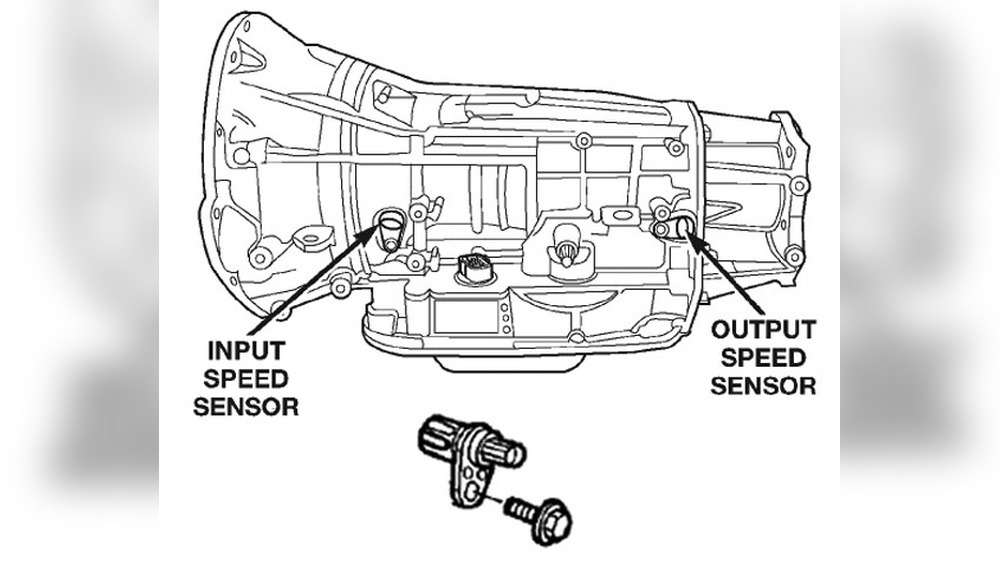
This can happen from a faulty sensor, damaged wiring, or a bad connector. The sensor is usually near the transmission or wheel hub.
When the sensor fails, the ECM loses speed data. This affects systems relying on this information, such as the speedometer and transmission controls.
Common Symptoms
A P0500 code often causes the speedometer to stop working or show wrong speeds. You might notice the transmission shifting roughly or at odd times.
The cruise control may not work correctly or turn off unexpectedly. The check engine light usually turns on to warn you about the issue.
Other signs include poor fuel economy and unstable engine idling. Sometimes, the anti-lock braking system (ABS) warning light may also appear.
Why It Matters
The vehicle speed sensor is critical for safe driving. It helps your Jeep shift gears smoothly and keeps the speedometer accurate.
Without proper speed data, the transmission might slip or shift improperly. This can cause extra wear or even damage.
Driving with a P0500 code can reduce fuel efficiency and increase repair costs over time. Fixing the problem early protects your vehicle and ensures a safer ride.
Jeep Grand Cherokee 2wd Systems
The 2001 Jeep Grand Cherokee 2WD systems play a vital role in vehicle performance and safety. These systems rely on accurate data from sensors to manage speed, braking, and engine functions.
Understanding these systems helps diagnose issues like the P0500 error code, which relates to the vehicle speed sensor.
Each component works together to ensure smooth driving and correct readings on the dashboard. the key parts of the 2WD system and how they impact your Jeep’s operation.
Vehicle Speed Sensor Role
The vehicle speed sensor (VSS) measures how fast the wheels turn. It sends this data to the engine control unit (ECU).
The ECU uses this information to adjust fuel injection and transmission shifting. A faulty VSS can cause erratic speed readings or transmission problems.
In the 2WD Jeep Grand Cherokee, the VSS is important for maintaining accurate speed information. This helps prevent issues such as stalling or rough shifting.
Abs And Transmission Link
The Anti-lock Braking System (ABS) relies on wheel speed data to prevent wheel lock during braking. The VSS provides important input to the ABS module.
It also communicates with the transmission control system.
This connection allows the transmission to change gears smoothly based on speed. If the VSS fails, the ABS warning light may turn on. Transmission performance may also decline.
Speedometer Functions
The speedometer uses signals from the VSS to show your driving speed. It converts sensor data into the speed displayed on the dashboard.
A malfunctioning sensor can cause the speedometer to stop working or show incorrect speeds.
Keeping the VSS and related wiring in good condition ensures accurate speed readings. This is important for safe driving and legal compliance.
Diagnosing P0500 On 2001 Jeep
Diagnosing the P0500 code on a 2001 Jeep Grand Cherokee requires careful steps. This code signals a problem with the vehicle speed sensor (VSS).
The VSS helps the engine control module track the vehicle’s speed. Without accurate speed data, the Jeep’s systems may not work correctly.
Proper diagnosis prevents unnecessary part replacements and saves time.
Checking Error Codes
Use an OBD-II scanner to read the Jeep’s error codes. This tool identifies the P0500 code and any related codes. Clear the codes, then drive the vehicle briefly. Scan again to see if the code returns. Persistent codes confirm an ongoing speed sensor issue. Record all codes for reference during repairs.
Inspecting Speed Sensors
Locate the vehicle speed sensor on the transmission. Check for dirt, damage, or loose mounting.
Clean the sensor gently with a cloth if dirty. Look for cracks or corrosion on the sensor body.
Replace the sensor if it shows visible damage. A faulty sensor often causes the P0500 code.
Testing Wiring And Connections
Inspect wiring leading to the speed sensor for breaks or wear. Check connectors for loose pins or corrosion.
Use a multimeter to test sensor voltage and resistance. Compare readings with manufacturer specifications.
Repair or replace damaged wires and connectors. Good wiring is essential for accurate sensor signals.
Common Faulty Components
The 2001 Jeep Grand Cherokee P0500 code often points to issues with the vehicle’s speed sensing components. These parts help the vehicle monitor wheel and transmission speed.
Faulty components can cause inaccurate speed readings and trigger dashboard warnings. Understanding these common faulty parts helps in quick diagnosis and repair.
Output Speed Sensor Issues
The output speed sensor sits on the transmission. It measures the rotation speed of the driveshaft.
When it fails, the vehicle sends wrong speed data to the computer. This causes the P0500 code to appear.
Symptoms include erratic speedometer readings and transmission shifting problems.
Abs Wheel Speed Sensor Problems
ABS wheel speed sensors detect wheel rotation speed for the anti-lock braking system. Dirt, corrosion, or damage can cause sensor failure.
This may trigger the ABS warning light and the P0500 code. A faulty sensor affects braking and speed signal accuracy.
Damaged Wiring Harness
The wiring harness connects sensors to the vehicle’s computer. Over time, wires can wear out or get damaged.
This breaks the signal flow from speed sensors. A damaged harness can mimic sensor failure and cause the P0500 code.
Checking and repairing wiring is essential for accurate speed data.
Step-by-step Troubleshooting
Troubleshooting the P0500 code on your 2001 Jeep Grand Cherokee 2 Wheel Drive requires a clear plan. This code points to a problem with the vehicle speed sensor.
Following a step-by-step approach helps find the exact cause. It saves time and avoids unnecessary repairs.
Use simple tools and focus on the sensor and wiring first. Below are key steps to guide you through the process.
Visual Inspection
Start by checking the sensor and its wiring. Look for broken wires, loose connections, or corrosion.
Dirt and grime can cover the sensor, causing errors. Clean the sensor carefully with a soft cloth.
Check the sensor mounting for damage. Inspect the area around the transmission where the sensor is located.
Any physical damage could cause the P0500 code. Fix or replace damaged parts before moving on.
Using A Multimeter
Next, test the sensor’s electrical signals with a multimeter. Set the meter to measure resistance or voltage.
Disconnect the sensor and check the wiring harness for continuity. A break in the wire will show no continuity.
Then, measure the sensor’s resistance and compare it to the factory specs. If readings are outside the normal range, the sensor is faulty.
Also, test the sensor output while spinning the wheel or shaft slowly. The meter should show a changing voltage. No change means the sensor needs replacement.
Sensor Replacement Tips
When replacing the speed sensor, start with the right part. Use OEM or high-quality aftermarket sensors.
Disconnect the battery before working on electrical parts. Remove the old sensor carefully to avoid damaging the mounting area.
Clean the mounting hole before installing the new sensor. Secure the sensor firmly but do not overtighten.
Reconnect the wiring harness and battery. Clear the error codes with an OBD-II scanner.
Test drive the vehicle to confirm the problem is fixed.
Resetting The Speed Control Sensor
Resetting the speed control sensor on a 2001 Jeep Grand Cherokee P0500 2 Wheel Drive helps fix speed-related issues. The speed control sensor sends vehicle speed data to the engine control unit.
Faulty sensor readings can cause the speedometer to act erratically or trigger error codes. Resetting the sensor clears errors and restores proper speed monitoring.
Clearing Codes
Start by clearing any error codes stored in the vehicle’s computer. Use an OBD-II scanner to read the codes first.
Once identified, select the option to clear or erase the codes. This step resets the system and removes any false alerts caused by the sensor issue.
Relearning Procedures
After clearing codes, the vehicle needs to relearn the speed sensor data. Turn the ignition to the “on” position without starting the engine.
Wait a few seconds, then start the engine. Drive the vehicle at a steady speed for several minutes.
This helps the computer recognize accurate speed input from the sensor.
Test Drive Verification
Take the Jeep for a test drive to verify the reset worked. Monitor the speedometer and check for warning lights.
If the speed readings stay steady and no codes return, the reset is successful. If problems persist, further sensor inspection or replacement may be needed.
Preventive Maintenance Tips
Preventive maintenance plays a key role in keeping your 2001 Jeep Grand Cherokee running smoothly. It helps avoid costly repairs and ensures safety on the road.
Paying attention to the P0500 code related to the vehicle speed sensor is important. Proper care of sensors, wiring, and the ABS system extends your vehicle’s life and performance.
Regular Sensor Checks
Check the vehicle speed sensor often for dirt or damage. Clean the sensor gently to remove debris.
Inspect the sensor’s connector for corrosion or loose wires. Replace any faulty sensors quickly to prevent further issues.
Regular checks help keep your Jeep’s speed readings accurate.
Protecting Wiring From Damage
Inspect wiring harnesses near the speed sensor for cracks or wear. Avoid pulling or twisting wires during repairs.
Use protective covers or conduit to shield wires from heat and moisture. Secure loose wires to prevent rubbing against metal parts.
Proper wiring care stops shorts and error codes.
Keeping Abs System Healthy
Keep the ABS sensors clean and free from brake dust or mud. Test ABS function during routine brake checks.
Replace worn brake pads to prevent sensor damage. Ensure wheel speed sensors are properly aligned and connected.
Maintaining the ABS system avoids warning lights and improves braking safety.

When To Seek Professional Help
Knowing when to seek professional help for your 2001 Jeep Grand Cherokee P0500 2 Wheel Drive saves time and money. Some problems need expert skills and tools to fix properly.
Trying to repair these issues alone could cause more damage. Watch for signs that the problem is beyond basic troubleshooting.
Complex Wiring Issues
Wiring problems can be tricky to find and fix. The speed sensor wiring may have breaks or shorts that are hard to spot.
A professional technician uses special equipment to trace and repair wiring faults safely. Incorrect repairs can lead to electrical shorts or sensor failures.
Let a pro handle complex wiring problems to ensure accuracy.
Transmission Sensor Failures
The transmission speed sensor plays a key role in your Jeep’s performance. Failure of this sensor often triggers the P0500 code.
Replacing or repairing this sensor requires removing parts of the transmission. This task is difficult without the right knowledge and tools.
A trained mechanic can replace the sensor and test the system correctly.
Advanced Diagnostic Tools
Modern vehicles need advanced diagnostic tools to read error codes and sensor data. Generic code readers may not provide detailed information.
Professionals use scanners designed for Jeep models to pinpoint the exact issue. These tools help prevent unnecessary parts replacement.
Accurate diagnosis leads to the right fix faster.
What Is The Code P0500 For A 2001 Jeep Grand Cherokee?
Code P0500 on a 2001 Jeep Grand Cherokee indicates a malfunction in the vehicle speed sensor (VSS). This sensor monitors wheel speed and impacts ABS and speedometer functions.
A faulty VSS can cause ABS warning lights and speedometer issues. Repair or replace the sensor to fix the problem.
How To Fix P0500 Vehicle Speed Sensor A?
To fix P0500 vehicle speed sensor A, inspect and clean the sensor, check wiring and connectors, then replace the sensor if faulty. Clear codes and test drive.
How Do I Reset My Speed Control Sensor?
To reset your speed control sensor, disconnect the vehicle’s battery for 15 minutes. Reconnect and start the engine to reset the sensor.
Where Is The P0500 Located?
The P0500 code indicates a problem with the vehicle speed sensor. It is located on the transmission’s left side.
Conclusion
The P0500 code on a 2001 Jeep Grand Cherokee 2WD points to a speed sensor issue. This sensor helps your vehicle track speed and control systems.
Fixing or replacing the sensor can stop warning lights and improve driving. Regular checks keep your Jeep running smoothly and safely.
Don't ignore signs of trouble; early care saves money and hassle. Stay aware of how your vehicle feels and sounds.
This helps catch problems before they get worse. Simple steps can keep your Jeep on the road longer.