Turning on the heat in your Jeep Compass is simple, but doing it correctly ensures your drive stays comfortable in cold weather. Whether you’re facing a sudden chill or prepping for winter, knowing the right steps makes a big difference. Many drivers miss small details that affect how fast and efficiently their heater works. This guide shows you exactly how to turn on the heat, explains common mistakes, and helps you get the most from your Compass’s climate system.
Understanding The Jeep Compass Heating System
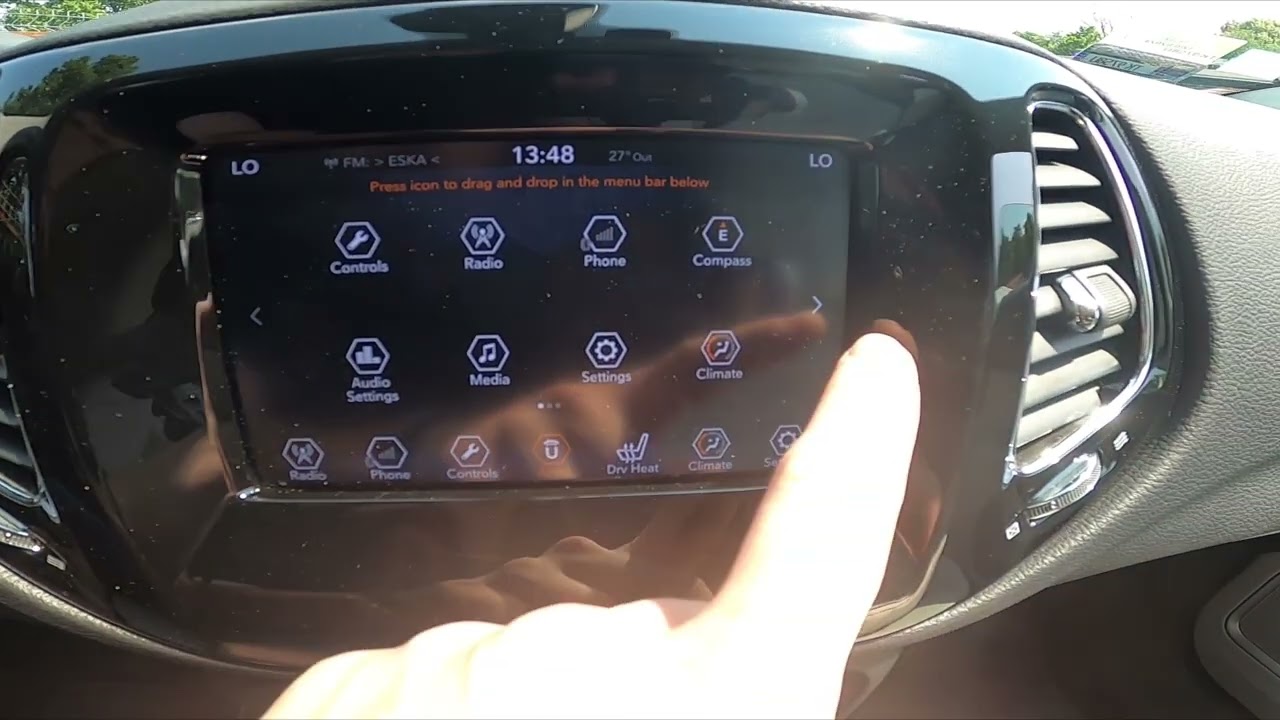
The Jeep Compass uses a modern climate control system that heats your cabin using engine warmth. When you turn on the heat, air passes over a heater core—a small radiator—filled with hot coolant from the engine. This warm air is then blown into the cabin.
There are two main types of climate controls in Jeep Compass models:
- Manual climate control: You set the fan speed, temperature, and airflow direction by hand.
- Automatic climate control: The system adjusts these settings for you based on your preferred cabin temperature.
Here’s a quick comparison of the two:
| Feature | Manual Control | Automatic Control |
|---|---|---|
| Temperature Adjustment | Manual dial | Digital setting |
| Fan Speed | Manual switch | Automatic adjustment |
| Air Direction | Manual lever | Automatic or manual override |
Step-by-step: Turning On Heat In Jeep Compass
Follow these steps to turn on the heat efficiently:
- Start your engine: The heater uses engine heat, so it won’t work if the engine is off.
- Allow the engine to warm up: It usually takes 2-5 minutes for the engine temperature to rise enough for warm air. Many beginners skip this, but cold air will blow until the engine warms.
- Adjust the temperature dial: Turn the temperature control (usually a red/blue dial) toward red for heat.
- Set the fan speed: Use the fan control to increase airflow. Higher speeds heat up the cabin faster.
- Select airflow direction: Choose whether you want air to come from the floor vents, dashboard vents, or windshield. Floor vents are best for full-body warmth.
- Turn off air conditioning: If the A/C is on, it can cool the air. Make sure the A/C button or light is off.
- Activate recirculation if needed: The recirculation button uses inside air. It heats the cabin faster but can cause fogging on windows.
- Check for immediate warmth: If you don’t feel heat after a few minutes, check that all settings are correct and the engine is warm.

Common Mistakes And How To Avoid Them
Many drivers make simple errors when trying to heat their Jeep Compass. Here are the most common:
- Not waiting for engine warm-up: The heater relies on the engine’s heat. If you turn on the fan right away, you’ll get cold air.
- Leaving A/C on: Some models keep the A/C active with certain settings, which cools the air. Always double-check the A/C status.
- Incorrect airflow selection: If you only use the windshield vents, the rest of the cabin may stay cold.
- Ignoring recirculation: Using outside air can slow heating if it’s very cold. Recirculation speeds up the process but can fog windows.
Example: Fast Heating Vs Slow Heating
Let’s compare two approaches:
| Action | Result |
|---|---|
| Engine warm-up + recirculation + floor vents | Cabin warms in 3-5 minutes |
| No warm-up + outside air + only windshield vents | Cabin warms in 10-15 minutes |
Practical Tips For Better Heat
Getting the most from your Jeep Compass heater takes a bit more than just turning a dial. Here are some practical tips:
- Keep the cabin clean: Dust or debris in vents can block airflow.
- Use floor mats: They help keep heat from escaping and make your feet warmer.
- Check coolant levels: Low coolant means less heat. Always top up if needed.
- Service your climate system: Yearly checks ensure your heater core and fans work properly.
- Avoid setting temperature too high: Extreme heat can make you uncomfortable and dry out the air.
Many drivers overlook the impact of coolant level and vent direction. If your heater isn’t working well, these are the first things to check before assuming a bigger issue.
Troubleshooting: When The Heat Doesn’t Work
If your Compass heater isn’t producing warm air, consider these checks:
- Engine temperature: Is the gauge showing normal warmth?
- Coolant level: Low coolant prevents heating.
- Controls: Are all dials and switches set correctly?
- Blower fan: If you don’t hear the fan, it may be faulty.
- Heater core: If you smell sweet coolant or see fogging, the heater core may leak.
Here’s a quick troubleshooting table:
| Problem | Possible Cause | Solution |
|---|---|---|
| No heat | Cold engine, low coolant | Warm up engine, check coolant |
| Weak airflow | Clogged vents, faulty fan | Clean vents, check fan |
| Foggy windows | Recirculation, heater core leak | Switch to outside air, fix leak |
If you need more detailed fixes, the official Jeep Compass manual or dealer service can help. For technical specs and maintenance info, see the Jeep official site.
Frequently Asked Questions
How Long Does It Take For The Heat To Work In A Jeep Compass?
Usually, 3-5 minutes after starting the engine. It depends on outside temperature and if you use recirculation.
Why Is Only Cold Air Coming Out When I Turn On The Heat?
Most likely, the engine is still cold or the coolant level is low. Wait for the engine to warm up and check the coolant.
Should I Use Recirculation Or Outside Air For Heating?
Recirculation heats the cabin faster, but can cause window fog. Switch to outside air if fogging starts.
Can I Turn On The Heat Without The Engine Running?
No, the heater uses engine heat. It will only blow cold air if the engine is off.
What Should I Do If My Jeep Compass Heater Stops Working?
First, check coolant levels and all climate controls. If it still doesn’t work, visit a mechanic for a heater core or fan check.
Getting your Jeep Compass heated up is easy once you know the right steps. Avoid common mistakes, keep your system maintained, and use these tips for a comfortable drive all winter. With good habits and clear understanding, you’ll stay warm and safe on the road.