Bleeding a Jeep clutch slave cylinder may sound technical, but it’s a manageable DIY project for most car owners. If your clutch pedal feels soft or you’re having trouble shifting gears, trapped air in the hydraulic system could be the cause.
Removing this air, or “bleeding” the system, restores proper clutch function and prevents future problems. This guide explains the tools, steps, and techniques to bleed your Jeep clutch slave cylinder safely and effectively.
Understanding The Jeep Clutch Slave Cylinder
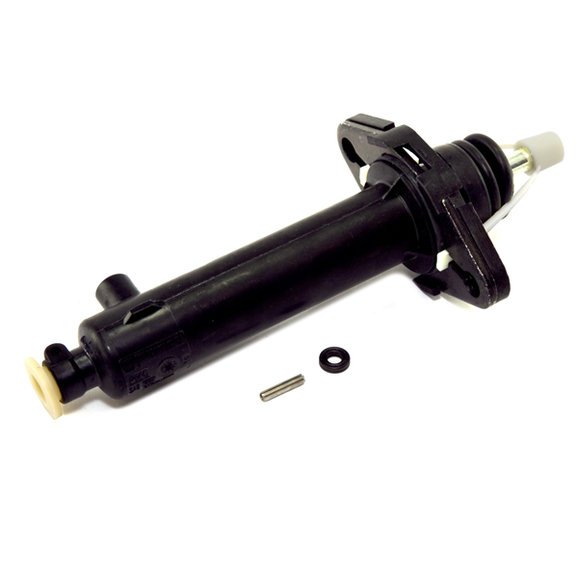
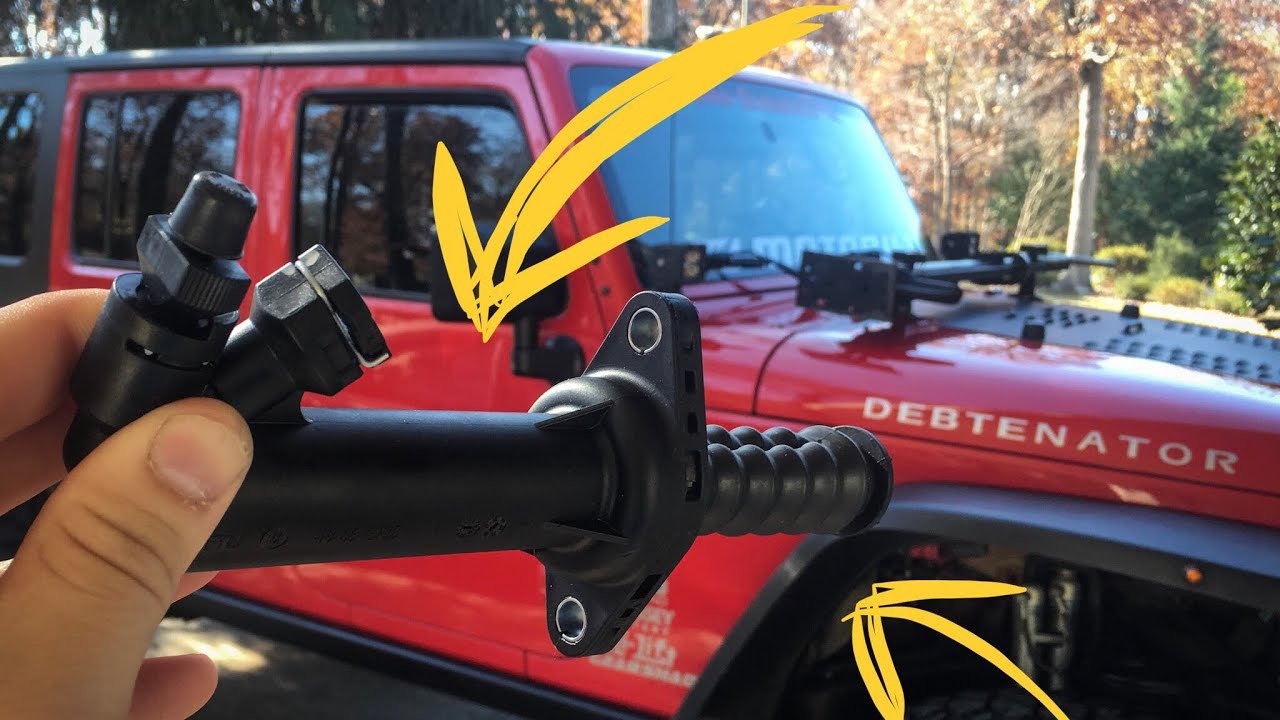
The clutch slave cylinder is a hydraulic component that helps disengage the clutch when you press the pedal. In most Jeeps, especially models like the Wrangler, Cherokee, and Grand Cherokee, the system uses hydraulic fluid to transfer force from the pedal to the clutch fork. Air bubbles can enter the system during repairs, fluid changes, or due to leaks. Even a small amount of air causes a spongy pedal and poor clutch engagement.
Why Air Causes Problems
Hydraulic fluid is incompressible, but air is not. When air is in the line, pressing the clutch pedal compresses the air instead of moving the clutch fork fully.
This can make gear changes difficult and damage the clutch over time.
Tools And Materials Needed
Gather these items before starting:
- Wrench set (usually 8mm or 10mm for the bleeder screw)
- Clear hose (about 18 inches long, fits snugly over bleeder screw)
- Catch bottle or jar for old fluid
- DOT 3 or DOT 4 brake fluid (check your Jeep’s manual)
- Rags and gloves for safety
- Helper (optional but makes the job easier)
Typical Fluid Capacities
| Jeep Model | Clutch Fluid Capacity | Compatible Fluid Type |
|---|---|---|
| Wrangler TJ (1997–2006) | ~0.2 liters | DOT 3 |
| Cherokee XJ (1987–2001) | ~0.3 liters | DOT 3/4 |
| Grand Cherokee ZJ/WJ | ~0.2 liters | DOT 3 |
Preparation Steps
- Park on a level surface. Use the parking brake.
- Locate the clutch master and slave cylinder. The master is near the brake booster; the slave is at the transmission bell housing.
- Check fluid level. Top off with fresh DOT 3 or DOT 4 fluid if needed.
- Remove air filter box or other obstructions if they block access.
How To Bleed The Clutch Slave Cylinder
There are three main methods. Choose the best for your Jeep’s setup and your comfort level.
1. Gravity Bleeding
This is the simplest way, requiring no helper.
- Attach the clear hose to the slave cylinder bleeder screw.
- Place the other end in a catch bottle.
- Open the bleeder screw a quarter turn.
- Let gravity pull fluid through until you see a steady stream without bubbles.
- Check the master cylinder reservoir and top off as needed.
- Tighten the bleeder screw.
Tip: Gravity bleeding is slow (10–30 minutes), but works well for minor air pockets.
2. Manual (two-person) Bleeding
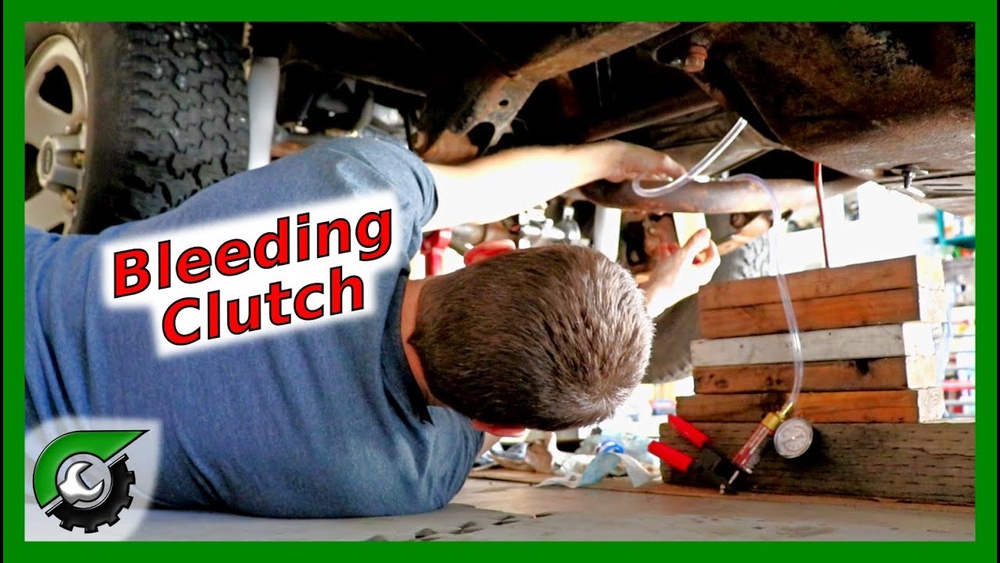
- One person pumps the clutch pedal several times and holds it to the floor.
- The other opens the bleeder screw to release air and fluid.
- Close the screw, then have the pedal slowly released.
- Repeat 4–6 times, watching for clear, bubble-free fluid.
- Refill the reservoir as needed.
Common mistake: Letting the master cylinder run dry. This introduces more air, so check and refill the fluid after every 2–3 cycles.
3. Pressure Or Vacuum Bleeding
If you have a vacuum pump, connect it to the bleeder screw. Create suction while keeping the reservoir full.
This is faster and works well for stubborn air bubbles.
Non-obvious insight: Some Jeep clutch systems are sealed and cannot be bled this way. Check if your system has a removable reservoir.
Troubleshooting Tips
Sometimes, air stays trapped in the system, especially in older Jeeps or after replacing components.
- Bench bleed the master cylinder before installation if possible.
- Raise the front end slightly; trapped air moves upward.
- Tap the slave cylinder gently to loosen bubbles.
- Inspect for leaks—wet spots or low fluid means there’s a leak.
Common Signs Bleeding Was Not Successful
| Symptom | Possible Cause | What To Do |
|---|---|---|
| Soft clutch pedal | Air still in system | Repeat bleeding |
| Pedal sticks to floor | Master/slave failure | Check for leaks, replace parts |
| Gear grinding | Low fluid or air | Top off and bleed again |
Safety And Maintenance Advice
- Never use old brake fluid. It absorbs water and reduces performance.
- Wear gloves and eye protection. Brake fluid is corrosive.
- Dispose of old fluid properly. Don’t pour it down the drain.
- If the problem returns quickly, inspect hoses and cylinders for leaks or cracks.
Non-obvious insight: Some Jeeps use a concentric slave cylinder inside the bell housing. These are harder to bleed and may need transmission removal if bleeding fails.

When To Seek Professional Help
If you’ve bled the system several times but the clutch still feels wrong, a worn master or slave cylinder may be to blame. Replacing these parts requires more tools and skill.
Also, if you see fluid dripping under the Jeep, address the leak before bleeding again.
For rare Jeep models or clutch conversions, consult the Jeep service manual or visit an experienced mechanic. Proper bleeding is crucial for safe driving.
Frequently Asked Questions
How Often Should I Bleed My Jeep Clutch?
Bleeding is usually only necessary after replacing parts or when air enters the system. If your pedal feels normal, you don’t need to bleed regularly.
Can I Use Brake Fluid From An Open Bottle?
No. Brake fluid absorbs moisture from the air, which can cause corrosion and poor performance. Always use a fresh, sealed bottle.
What If The Bleeder Screw Is Stuck?
Spray penetrating oil and let it soak for several minutes. Use a snug-fitting wrench and apply steady pressure. Forcing it can break the screw.
My Clutch Still Feels Soft After Bleeding. What Now?
Check for leaks, bench bleed the master cylinder, and try raising the Jeep’s front end during bleeding. Sometimes repeated cycles are needed.
Is There An Official Jeep Guide For This Process?
Yes, you can consult the Jeep official service page for detailed manuals and updates.
Bleeding your Jeep clutch slave cylinder is a valuable skill for any owner. With careful work and the right tools, you can restore your clutch’s performance and enjoy smoother, safer driving.