If your Jeep Wrangler won’t start or the lights seem dim, your battery might need a charge. Many Jeep owners deal with this, especially in cold weather or after leaving headlights on. Charging your Jeep Wrangler’s battery is simple, but doing it wrong can damage your battery, your vehicle, or even put you at risk. This guide will walk you through the safest way to charge your Jeep Wrangler battery, what tools you need, and important tips to keep your Jeep running smoothly.
Understanding The Jeep Wrangler Battery
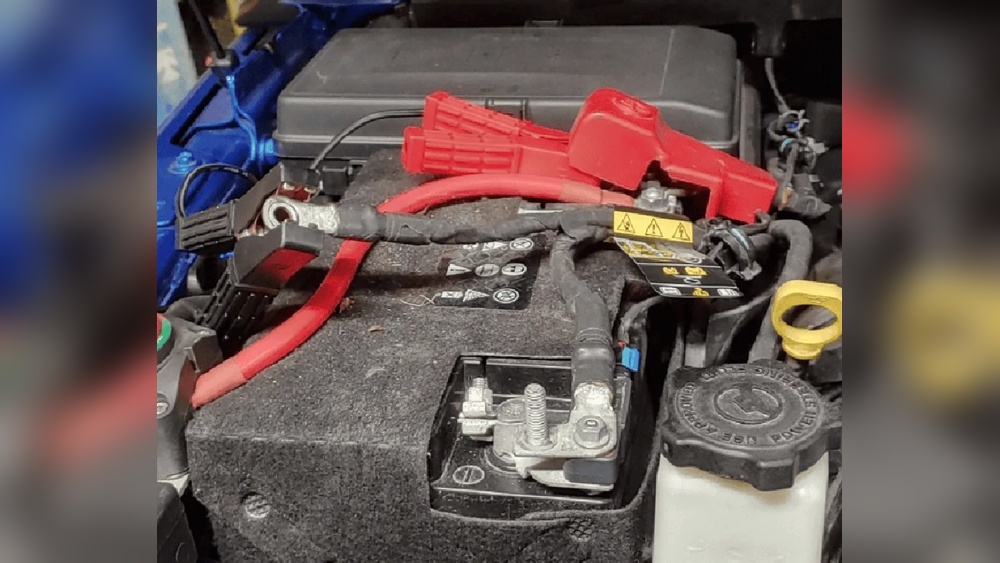
Most Jeep Wranglers use a 12-volt lead-acid battery. These batteries supply power to the starter, lights, and all electronics when the engine is off. If you leave your lights on overnight or don’t drive for a long time, the battery can lose charge. It’s important to know your battery’s location and type before starting.
| Model Year | Battery Location | Battery Type |
|---|---|---|
| 2007-2018 (JK) | Engine bay, front right | Group 91, Lead-acid |
| 2018-present (JL) | Engine bay, front left | Group 48, AGM or Lead-acid |
If your Jeep uses AGM (Absorbent Glass Mat), charge it with a smart charger that supports AGM batteries.
Tools And Safety Precautions
Before charging, gather the right tools:
- Battery charger (manual or smart)
- Safety goggles and gloves
- Wrench or socket (if removing the battery)
- Clean rag
Safety is critical. Always:
- Turn off your Jeep and remove the keys.
- Charge in a well-ventilated area.
- Never smoke or use open flames near the battery.
- Avoid touching both terminals at the same time.
Damaged batteries may leak or explode. If you notice swelling or a rotten egg smell, replace the battery instead of charging.

How To Charge A Jeep Wrangler Battery: Step-by-step
Charging your Jeep Wrangler battery can be done in two ways: in-vehicle charging and removal charging. Most people charge in-vehicle, but removing the battery can be safer if you suspect leaks or corrosion.
1. Check The Battery Condition
Look for cracks, leaks, or heavy corrosion. Clean corrosion with a baking soda and water mix using a brush. If the battery is damaged, replace it.
2. Connect The Charger
For in-vehicle charging:
- Make sure the ignition is off.
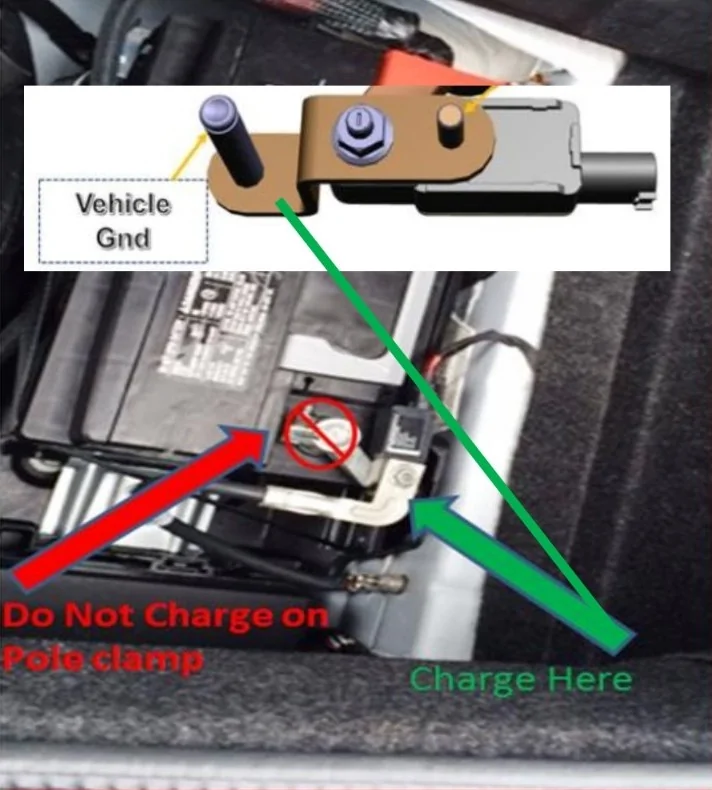
- Attach the red (positive) clamp to the battery’s positive terminal (+).
- Attach the black (negative) clamp to a solid, unpainted metal part of the Jeep’s frame (not directly to the negative battery terminal). This reduces the risk of sparks.
If charging outside the vehicle:
- Connect the positive clamp to the positive terminal.
- Connect the negative clamp to the negative terminal.
3. Set Charger Mode And Start Charging
Set your charger to the correct battery type (AGM or standard lead-acid) and voltage (12V). Smart chargers automatically adjust, but manual chargers need you to set the charging rate.
| Charger Type | Charging Speed | Best Use |
|---|---|---|
| Manual Charger | 2-10 Amps | Quick top-up |
| Smart Charger | 2-6 Amps | Safe, overnight charging |
A slow charge (2-6 amps) is safest. Fast charging can heat up and damage the battery.
4. Monitor Charging
Check the charger’s display or indicator lights. Most Jeep Wrangler batteries take 4-8 hours to fully charge at a slow rate. Do not leave the charger connected for more than 12 hours unless it’s an automatic “float” charger.
5. Disconnect And Test
Turn off the charger before removing the clamps. Remove the negative clamp first, then the positive. Start your Jeep. If it starts quickly and the lights are bright, your battery is ready.
Common Charging Mistakes
Many Jeep owners make mistakes that can shorten battery life or damage the vehicle:
- Connecting clamps to the wrong terminals. Always double-check positive to positive, negative to frame.
- Charging too quickly. High amps can overheat the battery.
- Leaving the charger on too long. Overcharging reduces battery life.
- Ignoring battery type. Using the wrong charger for AGM batteries causes damage.
- Not cleaning corrosion. Dirty terminals block charging.
How To Maintain Your Jeep Wrangler Battery
Charging fixes a dead battery, but regular maintenance prevents problems:
- Drive your Jeep at least once a week to keep the battery charged.
- Clean terminals every few months.
- Check for loose cables.
- Park in a garage during extreme cold or heat.
If your battery is more than 4 years old, consider replacement. Old batteries often can’t hold a charge, even with regular charging.
Jump Starting Vs. Battery Charging
Jump starting can get you back on the road fast, but it’s not a substitute for charging. Jump starts give a quick boost, but the battery still needs a full charge to stay reliable.
| Method | Pros | Cons |
|---|---|---|
| Jump Start | Fast, no tools needed | Temporary, may damage electronics |
| Battery Charger | Safe, full charge | Slower, needs charger |
For more on battery types and care, visit the Wikipedia Car Battery page.

Frequently Asked Questions
How Long Should I Charge My Jeep Wrangler Battery?
Most Wrangler batteries need 4-8 hours for a full charge at 2-6 amps. Always check your charger’s manual for exact times.
Can I Use A Trickle Charger On My Jeep Battery?
Yes. A trickle charger is safe for long-term maintenance. It keeps the battery topped off without overcharging.
What If My Jeep Still Won’t Start After Charging?
If your Jeep doesn’t start after charging, the battery may be too old or damaged. Also check the starter, alternator, and battery cables.
Is It Safe To Charge The Battery Without Removing It?
It’s safe to charge in-vehicle if you follow safety steps and connect the negative clamp to the frame, not directly to the battery.
How Do I Know If My Battery Needs Replacement?
If your battery is over 4 years old, won’t hold a charge, or you see swelling or leaks, it’s time for a replacement.
Charging your Jeep Wrangler battery isn’t hard, but a careful approach makes it safe and effective. With the right tools and attention, you’ll avoid common mistakes and keep your Jeep ready for any adventure.