For decades, the Jeep Wrangler has stood out as a symbol of adventure and rugged design. Whether you see them climbing rocky trails or parked in city streets, many people wonder: how do Jeep Wranglers actually drive? The answer depends on where you drive, how you use the vehicle, and what you expect from a 4×4 SUV. If you’re thinking about buying a Wrangler or just curious about the experience, understanding its driving feel can help you decide if it’s right for you.
What Makes Jeep Wranglers Unique On The Road
The Jeep Wrangler is different from most SUVs. Its boxy shape, solid axles, and off-road features set it apart. Unlike most crossovers, the Wrangler is built for off-road performance first, city comfort second. This focus changes how it drives in several ways.
- The suspension is tuned for flexibility over rocks and uneven ground, not just smooth city roads.
- The tires are usually larger and more aggressive, which can add road noise and a different feel.
- The steering is less precise than smaller SUVs, but this helps on difficult trails.
When you drive a Wrangler in town, you notice its height and visibility. You sit upright with a clear view, but the ride can feel bouncy, especially over bumps. On highways, the boxy shape means more wind noise and less fuel efficiency.
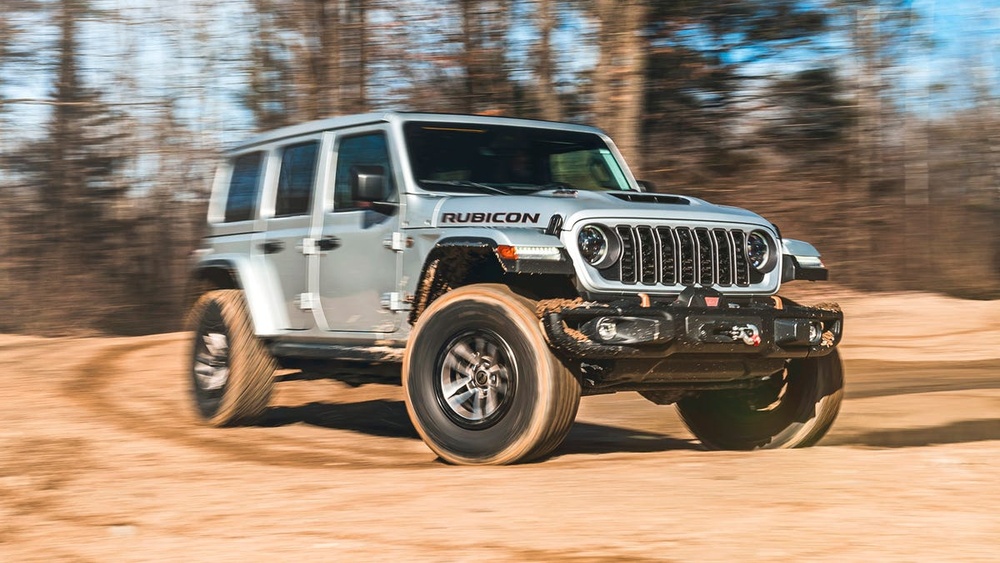
Still, many owners love the character and classic look.
Driving On Different Terrains
City Streets
In city driving, the Wrangler’s short wheelbase makes parking easier than you might expect. Turning is simple, and the upright seating gives you confidence in traffic. The ride can be rougher than in a sedan or crossover, especially over potholes. Acceleration is steady, but not as quick as smaller vehicles.
Highways
On highways, drivers often notice more wind noise and a less refined ride. The steering can feel a bit loose at higher speeds, and the suspension may cause the vehicle to bounce over uneven pavement. Still, newer Wranglers have improved a lot, with better insulation and more comfortable seats.
Off-road Adventures
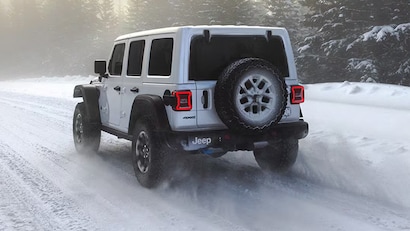
The Wrangler truly shines off-road. Features like 4×4 drive, locking differentials, and high ground clearance let you tackle mud, rocks, snow, and sand with ease. The suspension flexes to keep all tires on the ground, giving you traction where other SUVs might get stuck.
Here’s how the Wrangler compares to a typical crossover on different terrains:
| Terrain | Jeep Wrangler | Typical Crossover |
|---|---|---|
| City Streets | Good visibility, bumpy ride | Smoother, quieter |
| Highways | Noisy, less stable at high speeds | Quiet, more stable |
| Off-Road | Excellent performance | Limited capability |
Handling, Comfort, And Performance
A Wrangler’s handling feels different from most cars. The steering is slower and has a larger turning circle. On winding roads, you may feel some body roll—the car leans more in turns than a sedan or crossover. This is normal for a vehicle with a high center of gravity and off-road suspension.
Comfort has improved in newer Wranglers (especially the JL generation, 2018+). Seats are more supportive, and noise levels are lower. However, you might still notice:
- More road and wind noise than in a regular SUV
- A firmer ride, especially over rough roads
- Less cargo space than some competitors
Performance depends on the engine and trim. Most Wranglers come with a V6 engine, and some offer a turbocharged 4-cylinder or even a diesel. Acceleration is good for daily driving, but not as quick as smaller, lighter SUVs.
Real-world Examples And Insights
Many people buy Wranglers for weekend adventures, but use them as daily drivers. For example, a 2023 Wrangler Sport can drive to work during the week, then hit muddy trails on the weekend. Owners report that while the ride is not as smooth as a luxury SUV, the trade-off is worth it for the ability to explore off-road.
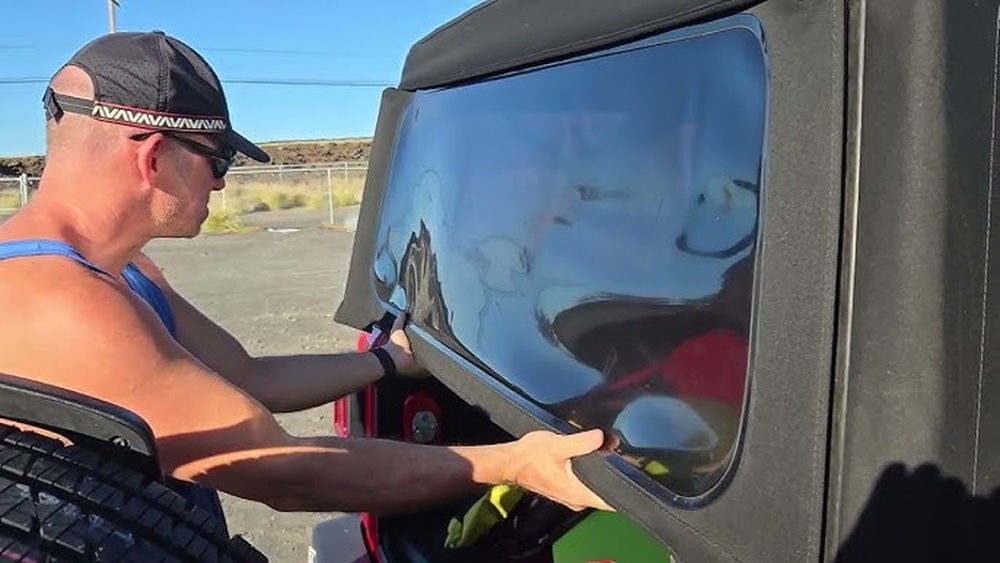
A common surprise for new owners is the removable roof and doors. This unique feature adds fun but also means you hear more outside noise. In summer, many drivers remove the top for an open-air experience.
Another insight: The Wrangler’s resale value is much higher than most SUVs, thanks to its strong following and unique features. This means you lose less money if you sell after a few years.
Pros And Cons Of Driving A Jeep Wrangler
Let’s break down the main advantages and disadvantages of driving a Wrangler:
| Pros | Cons |
|---|---|
| Unmatched off-road ability | Less comfortable ride |
| Iconic design | More road noise |
| High driving position | Lower fuel economy |
| Strong community and support | Not as agile on pavement |
| Good resale value | Less cargo space |
What Beginners Usually Miss
- Tire Pressure Matters: The Wrangler’s ride can change a lot with tire pressure. Lower pressure helps off-road, but can make city driving feel less stable. Always check and adjust tires based on where you’ll drive.
- Roof and Door Removal Takes Practice: Removing the roof and doors is a big part of Wrangler culture, but it’s not always quick or easy. Practice at home before trying on a trip.
- Customization Affects Driving: Many owners add bigger tires, lifts, or winches. These upgrades look great but can make steering heavier and change the ride feel.
- Fuel Economy: Wranglers use more gas than most SUVs, especially with larger tires or off-road use.
Comparing Wrangler Trims
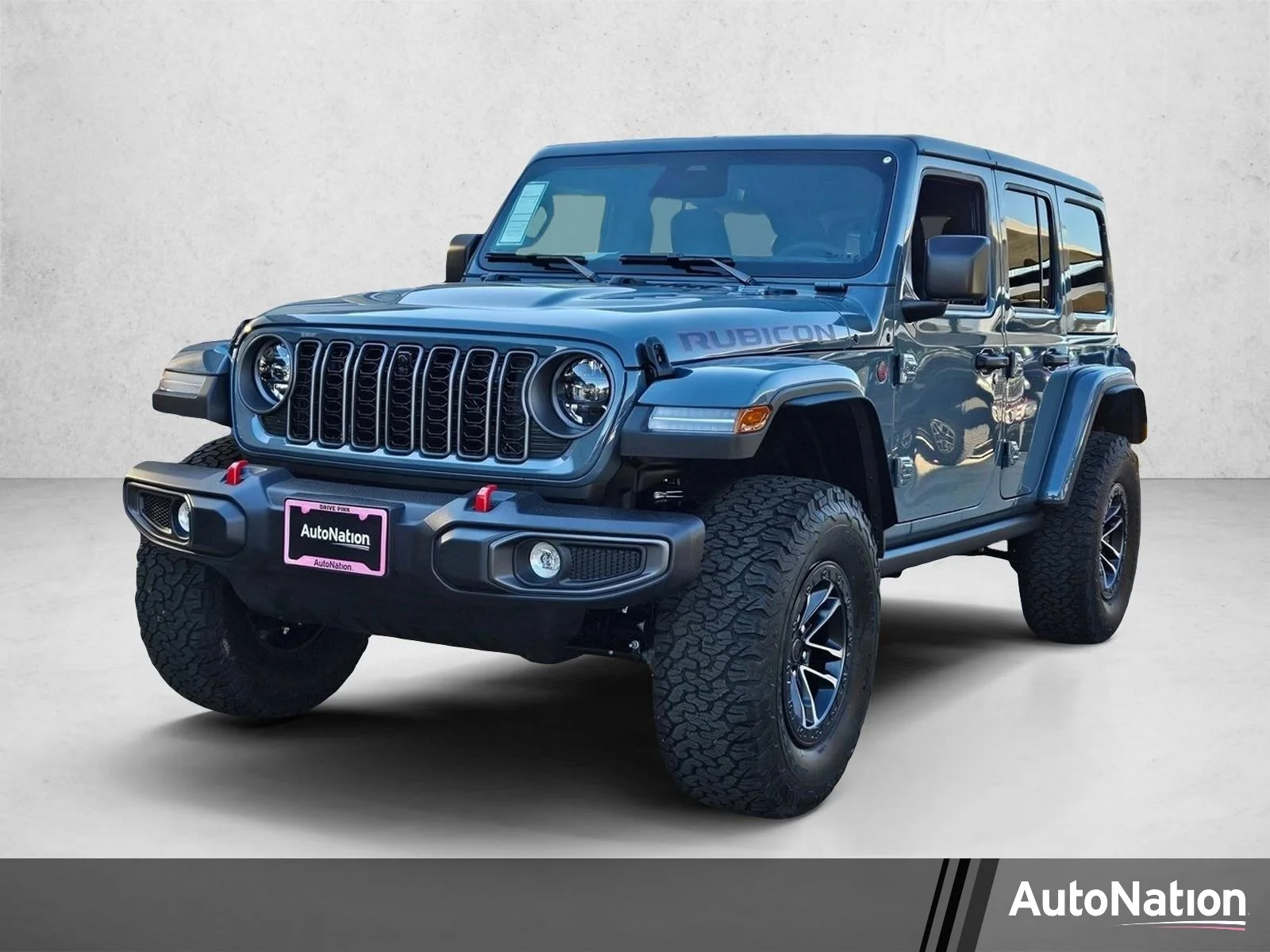
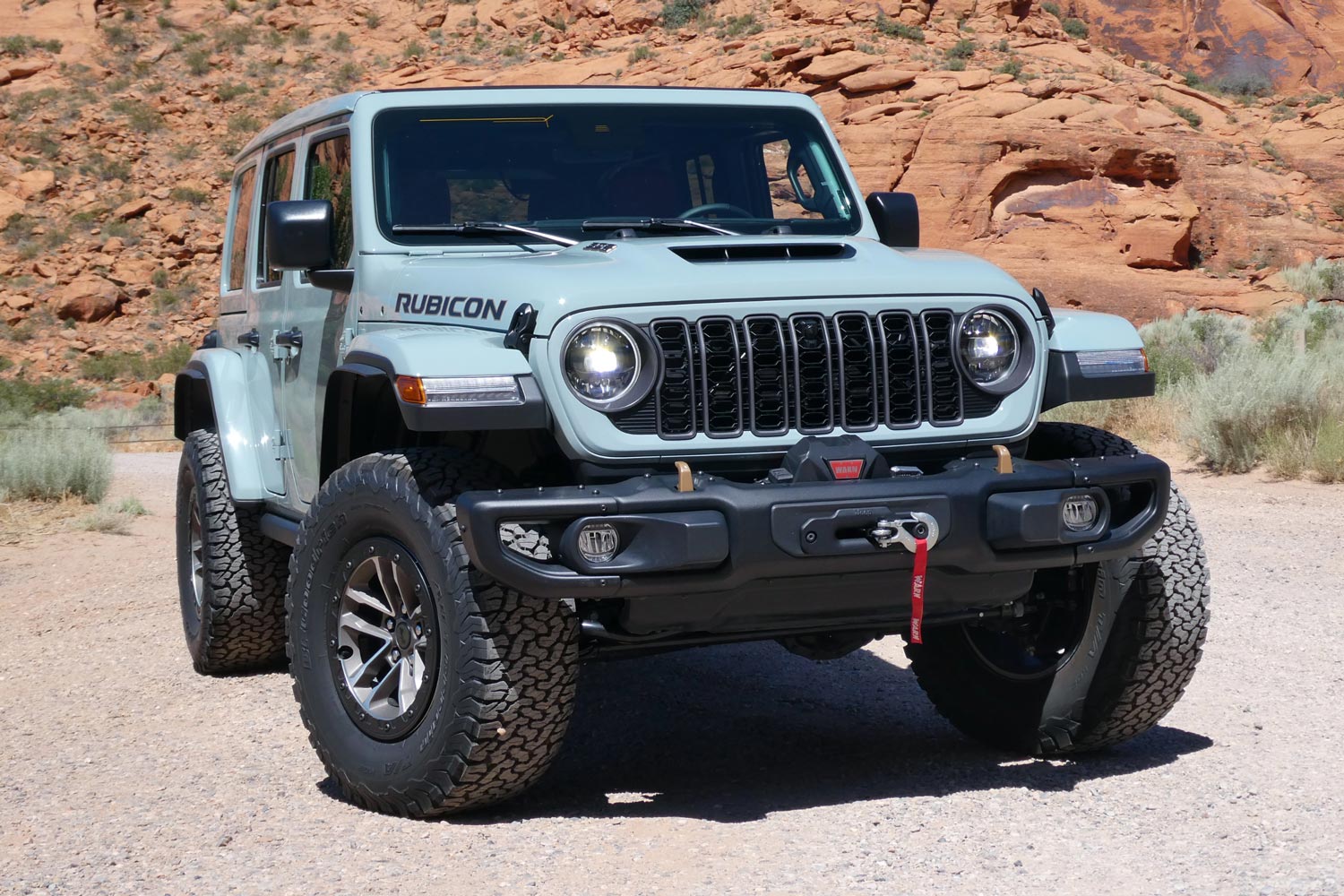
Different Wrangler trims drive slightly differently. For example, the Rubicon is made for serious off-road use, while the Sahara is more comfortable for city and highway travel.
| Trim | Best For | Ride Quality |
|---|---|---|
| Sport | Entry-level, mixed use | Basic, firm |
| Sahara | Comfort, daily driving | Smoother, quieter |
| Rubicon | Serious off-roading | Very firm, noisy |
Frequently Asked Questions
How Does The Jeep Wrangler Handle In Snow?
With 4×4 engaged and proper tires, the Wrangler handles snow well. However, take care with braking and cornering, as the high ride can feel less stable on icy roads.
Is The Jeep Wrangler Good For Long Road Trips?
The Wrangler can be used for long trips, but expect more noise and a firmer ride. Newer models are much improved for comfort. Bring extra gear if you need more cargo space.
What Is The Fuel Economy Like?
Most Wrangler models get around 17-25 mpg, depending on the engine and tires. Larger tires and off-road use reduce fuel efficiency.
Are Jeep Wranglers Safe?
Modern Wranglers include airbags, traction control, and other safety features. However, their design means they may not score as high in crash tests as some crossovers. Always drive carefully and wear seatbelts.
Where Can I Learn More About Jeep Wranglers?
For detailed specs and history, visit the Jeep Wrangler Wikipedia page.
Driving a Jeep Wrangler is a unique experience. It’s not the smoothest or quietest SUV, but it offers adventure, fun, and strong community support. If you value off-road ability and classic style, the Wrangler stands in a class of its own.