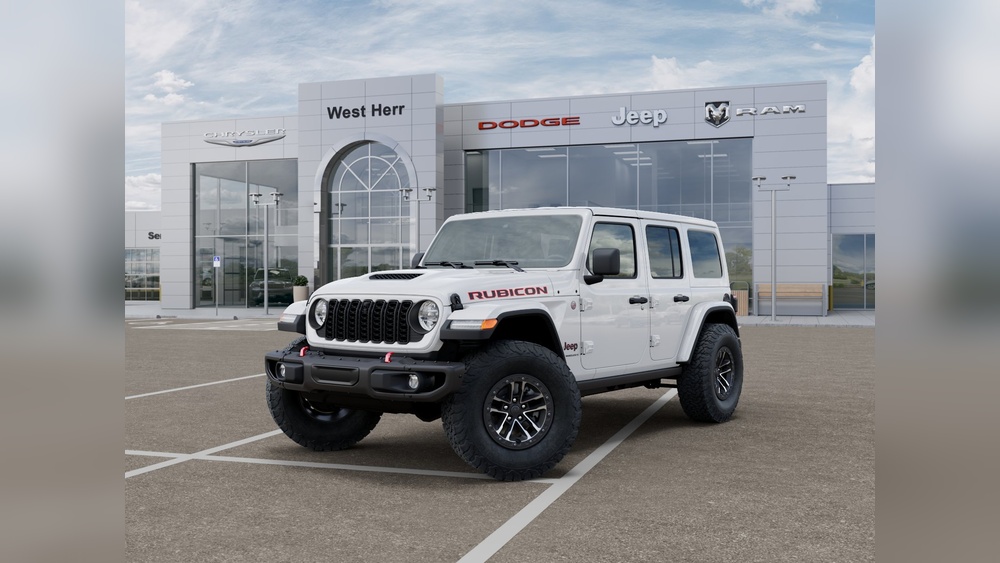
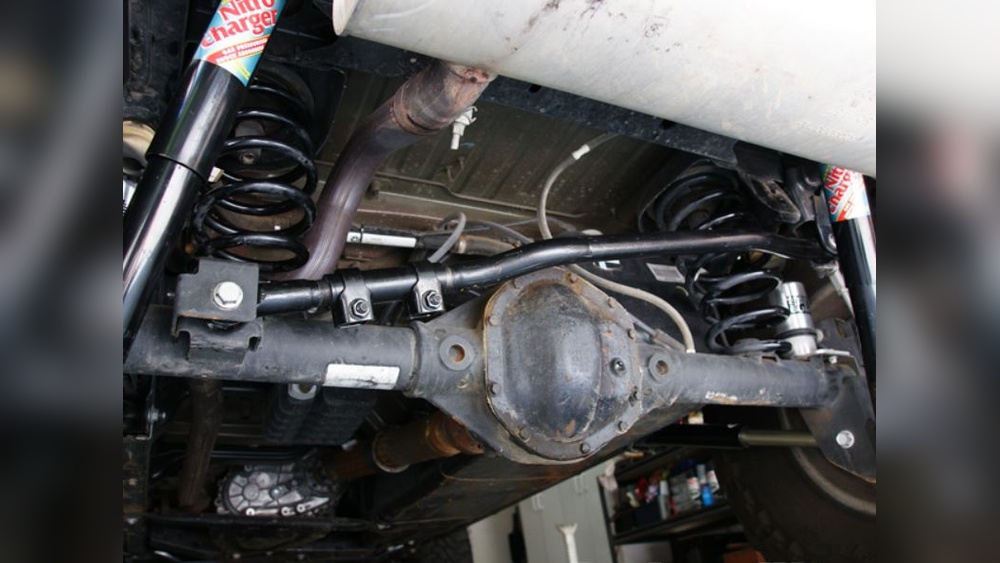
Many Jeep Wrangler owners love their vehicles for one main reason: off-road capability. One feature that sets the Wrangler apart is its 4×4 system.
If you’re new to Jeeps, you might wonder how to put your Wrangler into 4×4 mode. It sounds simple, but there are four different 4×4 modes, and using them correctly can protect your Jeep and keep you safe.
Understanding when and how to use each mode will make your adventures smoother and help you avoid costly mistakes.
Understanding Jeep Wrangler’s 4×4 System
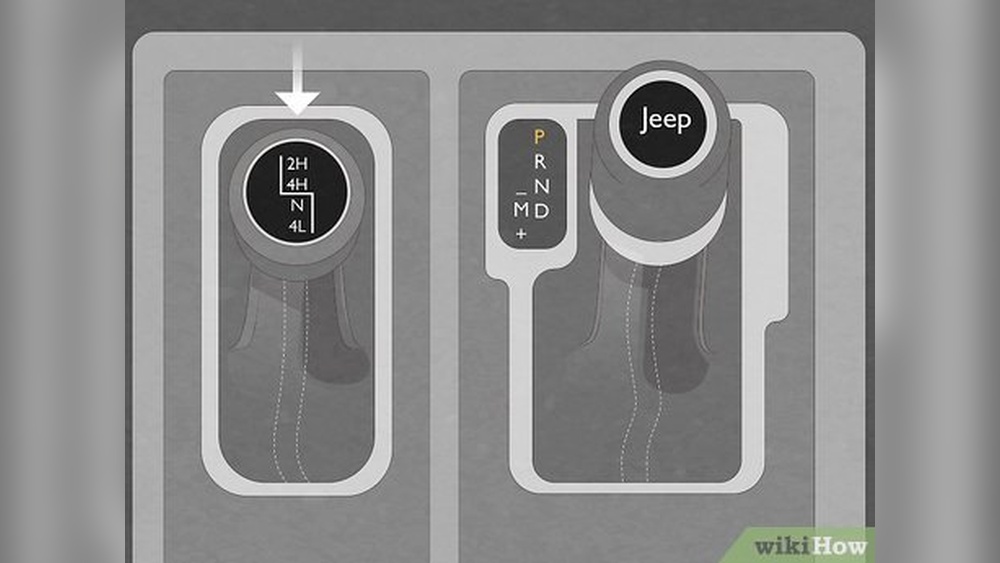
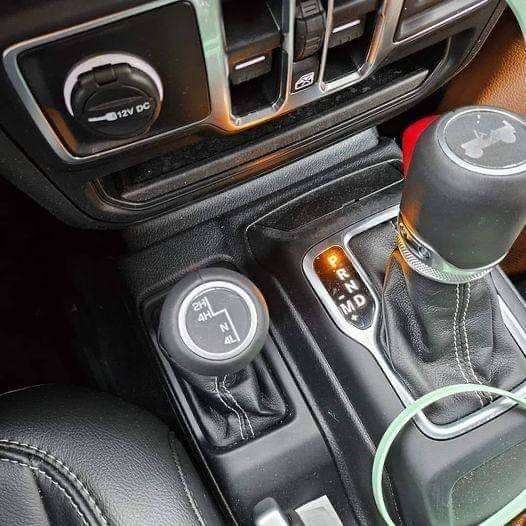
The Jeep Wrangler usually comes with a part-time four-wheel drive system. This means you switch between two-wheel drive (2H) and four-wheel drive (4H, 4L) as needed. Some newer models also have a 4A (Auto) mode. Before you start, always check your owner’s manual for your model’s specific instructions.
Here’s a quick overview of the four main 4×4 modes:
| Mode | Driving Surface | Speed Range | Best Use |
|---|---|---|---|
| 2H | Dry pavement | All speeds | Daily driving |
| 4H | Loose/slippery roads | Up to 55 mph | Snow, sand, gravel |
| 4L | Rough terrain | Low speed only | Steep hills, mud |
| 4A | Changing conditions | All speeds | Rain, mixed roads |
Let’s break down how to engage each 4×4 mode and when to use it.
1. 2h (two-wheel Drive High)
2H is your default mode for regular roads. In this mode, only the rear wheels get power. This is best for dry, paved surfaces. Using 2H on normal roads gives better fuel economy and less wear on 4×4 parts.
To use 2H:
- Make sure the transfer case lever is in the 2H position.
- You can shift into 2H while stopped or moving at any speed.
- Always use 2H unless you need extra traction.
A common mistake is leaving your Jeep in 4H or 4L on dry pavement. This causes extra tire wear and can damage the drivetrain.
2. 4h (four-wheel Drive High)
4H is for situations where you need more traction—like snow, sand, or gravel. Both front and rear wheels get power, improving grip.
How to shift into 4H:
- Reduce speed to under 55 mph.
- While driving straight, pull the 4×4 lever from 2H to 4H. No need to stop.
- You’ll feel a slight clunk as the transfer case engages.
Use 4H only on slippery or loose surfaces. Don’t use it on dry pavement. The Jeep’s 4×4 system is not designed for full-time use on hard surfaces.
Example
If you drive up a snowy hill, 4H keeps you from spinning out. But switch back to 2H as soon as you’re on dry asphalt.
3. 4l (four-wheel Drive Low)
4L is for tough, slow off-road conditions. It multiplies your engine’s torque, helping you crawl over rocks, deep mud, or steep hills.
How to shift into 4L:
- Bring your Jeep to a full stop.
- Shift the transmission into Neutral (N).
- Firmly pull the 4×4 lever from 4H directly down to 4L.
- Wait for the 4L indicator to light up on the dashboard.
- Shift the transmission back to Drive or First gear.
Never shift into 4L while moving. This can damage your transfer case.
4L is not for driving fast. The max safe speed is usually under 25 mph. If you drive faster, you risk overheating and mechanical failure.
Practical Tip
When descending a steep trail, 4L lets you control speed without riding the brakes.
4. 4a (four-wheel Drive Auto)
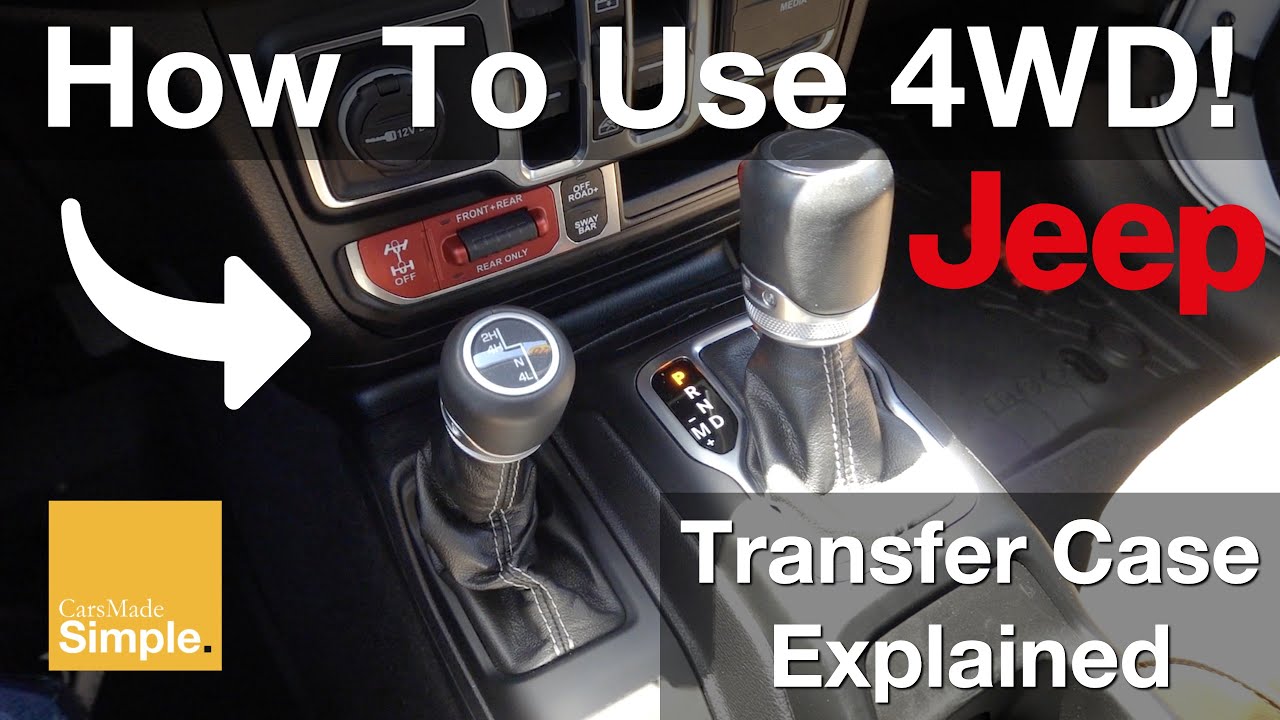
Some new Jeep Wranglers come with 4A (Auto) mode. This is a smart system that shifts power between the front and rear wheels as needed.
How to use 4A:
- You can shift into 4A while moving (check your manual for speed limits).
- The Jeep decides when to send power to the front wheels.
- Ideal for mixed surfaces—like rain switching to dry roads.
This mode is great for drivers who want convenience. You don’t need to think about traction; the Jeep manages it.
But it may use more gas than 2H.
Non-obvious Insight
Many beginners think 4A replaces 4H or 4L. It doesn’t.
In deep mud or rocks, always use 4L for maximum control.
Common Mistakes To Avoid
- Using 4H or 4L on dry pavement. This strains the drivetrain and can cause expensive damage.
- Forgetting to return to 2H after leaving slippery roads.
- Shifting into 4L while moving. Always stop the Jeep first.
- Not matching speed to 4×4 mode. 4L is for slow speeds only.
Quick Reference: When To Use Each Mode
| Condition | Recommended Mode |
|---|---|
| Dry highway | 2H |
| Heavy rain | 4A or 4H |
| Deep snow or sand | 4H |
| Steep rocky trail | 4L |
Additional Tips For Safe 4×4 Use
- Always slow down before shifting between 4×4 modes.
- If the 4×4 warning light blinks or stays on, stop and check the manual.
- Keep tire pressure equal for best traction.
- Practice using 4×4 in a safe area before hitting the trails.
For a deeper look at Jeep’s 4×4 systems, check the official Jeep 4×4 Guide.

Frequently Asked Questions
What Happens If I Use 4h Or 4l On Dry Pavement?
Using these modes on dry roads can cause drivetrain binding. This leads to faster tire wear and possible damage to the transfer case.
Can I Shift Into 4h While Driving?
Yes. You can shift from 2H to 4H while moving under 55 mph, as long as the wheels are not slipping.
How Do I Know If 4×4 Is Engaged?
Look for a light on the dashboard that shows 4H, 4L, or 4A is active. You may also feel the Jeep drive differently, with more grip.
Is It Okay To Drive In 4a All The Time?
You can use 4A on any surface. But for the best fuel economy, use 2H when roads are dry.
Does Using 4l Hurt My Jeep?
No, as long as you use it correctly only at low speeds and in tough terrain. Never use 4L for normal driving or at high speeds.
With the right 4×4 mode, your Jeep Wrangler can handle almost anything. Knowing when and how to use each setting keeps your Jeep running strong and your adventures safe.
The first few times may feel confusing, but with practice, shifting into the right mode will become second nature.