Getting your Jeep into 4 wheel drive can make off-road adventures safer and help you tackle tough weather like snow or mud.
But not all Jeeps use the same system, and switching isn’t always as simple as flipping a switch. Many beginners miss important details, like checking tire pressure or knowing when to avoid 4WD.
This guide will show you how to put your Jeep on 4 wheel drive step-by-step, covering all four main methods: manual lever, electronic switch, full-time systems, and automatic 4WD. Whether you drive a classic Wrangler or a modern Grand Cherokee, you’ll learn what matters for performance and safety.
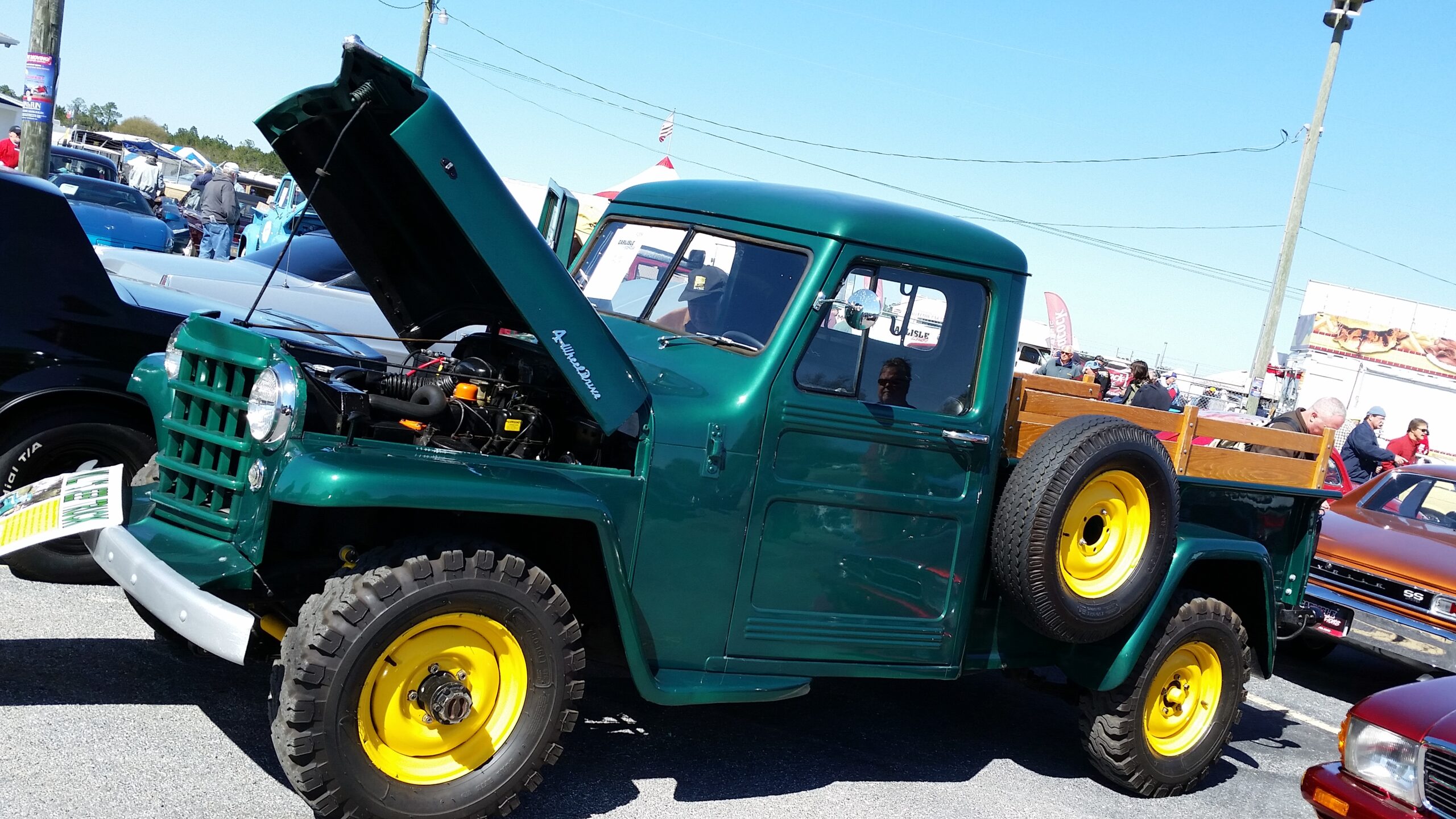
Understanding Jeep 4 Wheel Drive Systems
Jeeps use different 4 wheel drive systems. The main types are:
- Manual lever (shift-on-the-fly)
- Electronic switch (push-button)
- Full-time 4WD
- Automatic 4WD
Here’s how they compare:
| System Type | Activation Method | Best For | Common Models |
|---|---|---|---|
| Manual Lever | Hand-operated lever | Off-road, classic driving | Wrangler, older Cherokees |
| Electronic Switch | Dash button/knob | Modern, easy use | Grand Cherokee, newer Wranglers |
| Full-Time 4WD | Always engaged | All conditions | Some Grand Cherokees |
| Automatic 4WD | Computer controlled | Variable terrain | Cherokee, Compass |
Knowing which system your Jeep uses is key. Check your owner’s manual or look near the gear selector for clues.
Manual Lever (shift-on-the-fly)
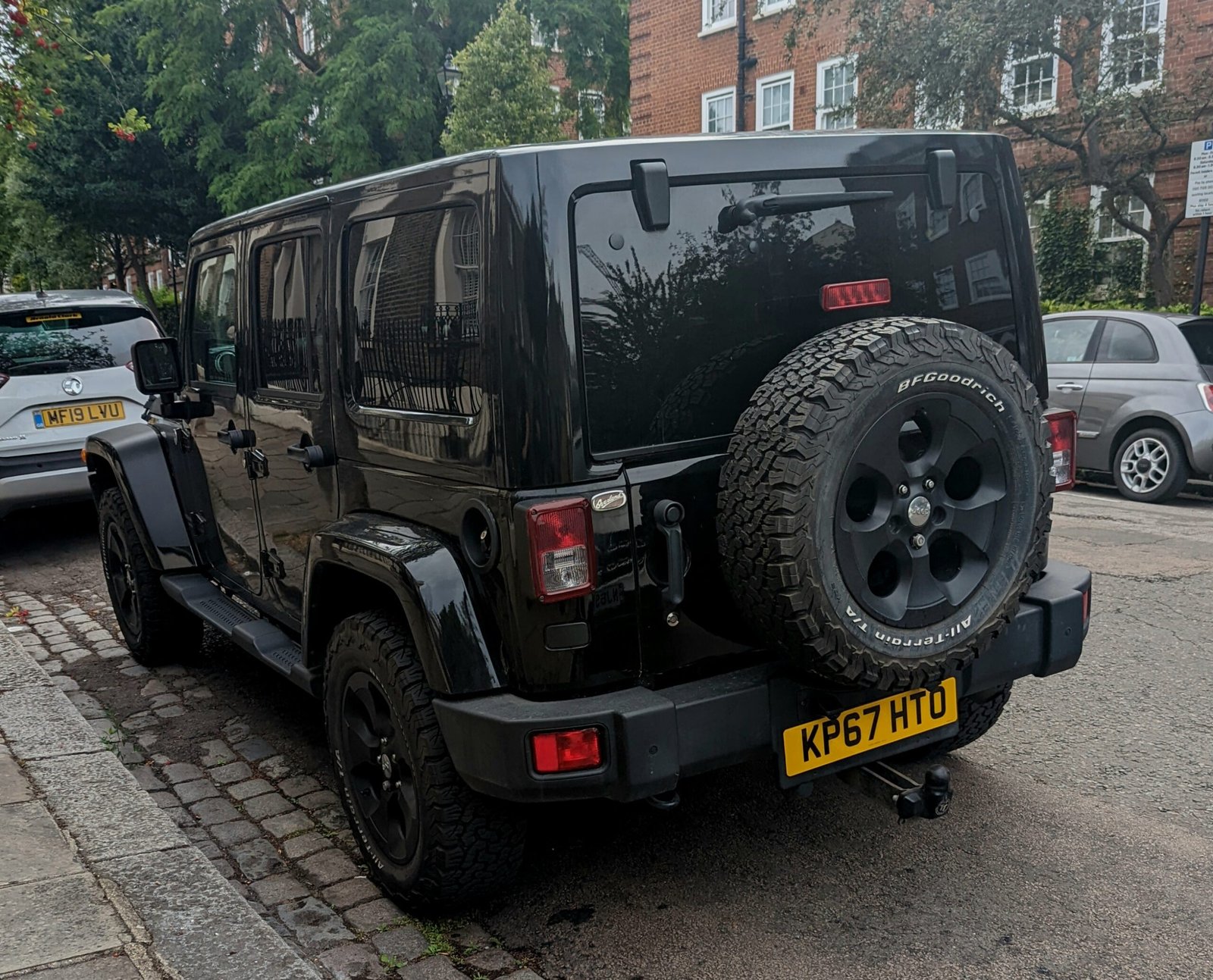
Older Jeeps and some modern Wranglers use a manual lever for 4WD.
How To Engage
- Slow Down: Drive under 55 mph.
- Shift Lever: Move the lever from 2H (2 wheel drive) to 4H (4 wheel drive high) for snow, mud, or light off-road.
- Stop for 4L: For 4L (4 wheel drive low), stop completely, shift to neutral, then move the lever to 4L. This setting is for deep mud, steep hills, or rock crawling.
Practical Example
If you see mud ahead, slow down, then smoothly shift to 4H. For rocky trails, always stop and use 4L.
Common Mistake
Many drivers forget to stop before switching to 4L. This can damage the transfer case.
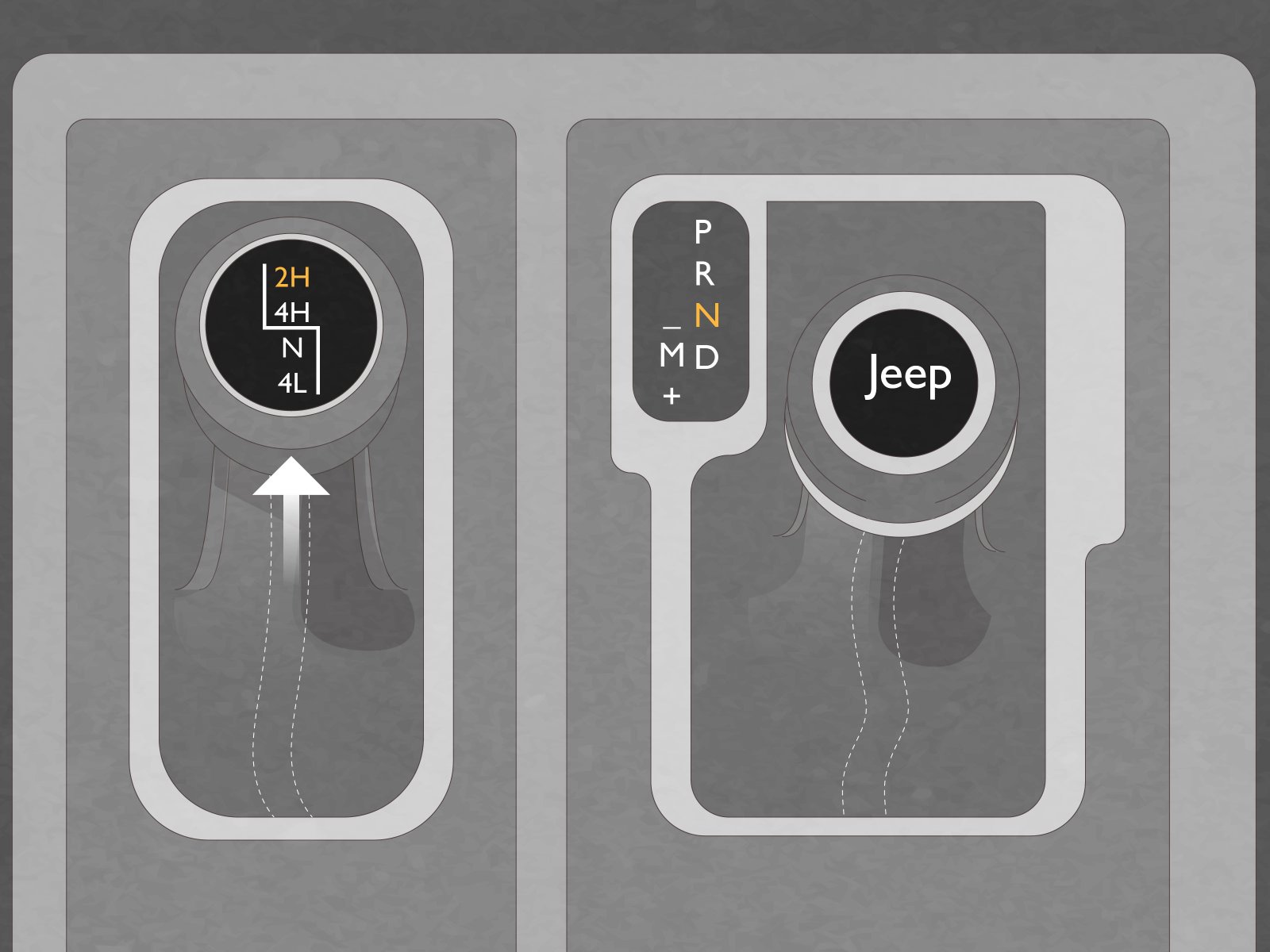
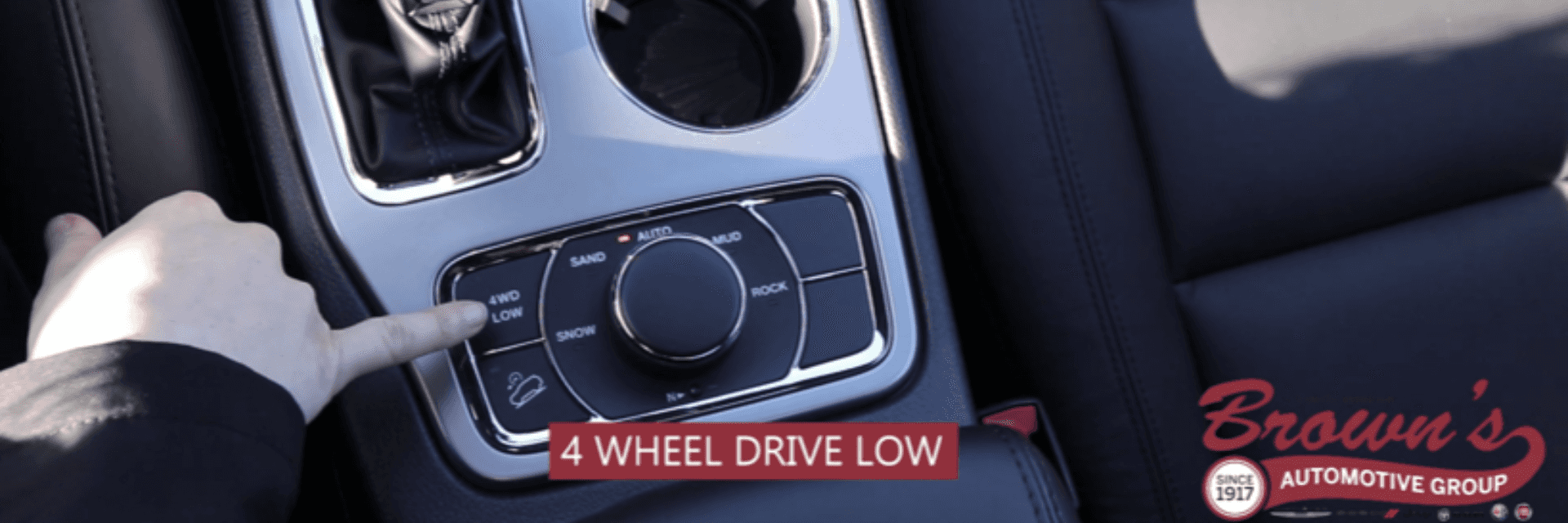
Newer Jeeps use an electronic switch—usually a button or knob.
How To Engage
- Check Your Speed: Most systems allow switch-on-the-fly up to 55 mph.
- Press Button/Turn Knob: Choose 4H for normal off-road or slippery roads. Select 4L for extreme conditions; you must stop and shift to neutral first.
- Wait for Indicator: The dashboard will show a light when 4WD is active.
Example
If a snowstorm starts, press the 4H button while driving slowly. For deep sand, stop, shift to neutral, and press 4L.
Important Insight
It’s easy to forget the need for neutral when switching to 4L. If the system doesn’t engage, check your gear position.
Full-time 4WD
Some Jeeps, like certain Grand Cherokees, have full-time 4WD. This system runs all four wheels all the time.
How It Works
- No action needed—4WD is always on.
- Use “4WD Auto” or “4WD Lock” modes for extra traction.
Advantages
- Ideal for changing road conditions.
- No risk of forgetting to engage 4WD.
Data Comparison
| Mode | Driver Action | Fuel Impact | Traction |
|---|---|---|---|
| Full-Time | None | Higher | Consistent |
| Part-Time | Manual/Auto | Lower | Variable |
Common Mistake
Drivers sometimes use “4WD Lock” on dry pavement, which can cause tire wear.
Automatic 4wd
Some newer models, like the Cherokee or Compass, have automatic 4WD. The computer senses wheel slip and engages 4WD as needed.
How To Use
- No manual action—system works by itself.
- Some models let you choose “Auto,” “Snow,” “Sand,” or “Mud” modes.
Practical Example
If you drive from a dry road onto ice, the system automatically switches to 4WD.
Tire pressure differences can confuse the system, so always check your tires.
When And Why To Use 4 Wheel Drive
4 wheel drive is best for:
- Snow, ice, mud, sand, rocky trails
- Steep hills or uneven terrain
Avoid using 4WD on dry pavement it can cause damage and extra fuel use.
Quick Reference
| Terrain | Recommended 4WD Mode | Risk if Used Wrong |
|---|---|---|
| Snow/Ice | 4H | Slipping tires |
| Mud/Sand | 4H/4L | Getting stuck |
| Rocks | 4L | Loss of control |
| Dry Pavement | 2H | Tire wear, drivetrain stress |

Tips For Safe And Effective 4WD Use
- Read your manual—know your Jeep’s system.
- Check tire pressure—uneven tires hurt performance.
- Engage early—switch before you need 4WD.
- Avoid sharp turns in 4WD on hard surfaces.
- Don’t forget to disengage after leaving tough terrain.
A surprising tip: After using 4L, drive slowly in 2H for a few minutes to help the system reset.
Frequently Asked Questions
What do 2h, 4h, and 4l Mean?
2H is a two-wheel drive, used for normal roads. 4H is Four Wheel Drive high, for slippery or rough surfaces. 4L is Four Wheel Drive low, for extreme off-road.
Can I Switch To 4WD While Driving?
Yes, you can shift into 4H while moving (under 55 mph) in most Jeeps. To use 4L, always stop and shift to neutral first.
Does 4WD Improve Fuel Economy?
No, 4 wheel drive uses more fuel. Only use it when needed for safety or traction.
Is It Safe To Use 4WD On Dry Roads?
Avoid using 4WD on dry pavement. This causes extra wear and can damage the drivetrain.
Where Can I Learn More About Jeep 4WD Systems?
For details on each system, visit the official Jeep site: Jeep 4×4 Systems.
Putting your Jeep into 4 wheel drive isn’t hard, but knowing your system and when to use it matters. With these steps, you’ll get better traction and safety; whether you’re facing mud, snow, or rocky hills.
Always check your manual for specifics, and remember: a little knowledge can prevent costly mistakes. Enjoy your Jeep’s adventure-ready features with confidence.