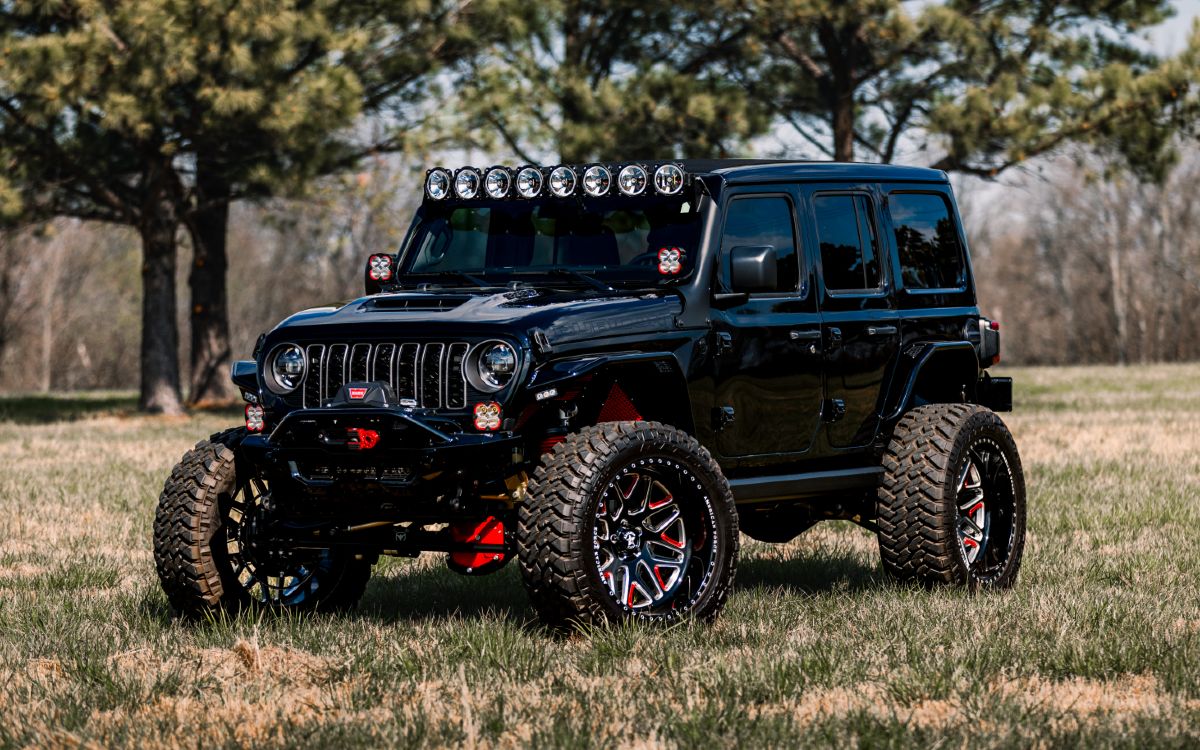
Lifting a Jeep changes the way you need to handle basic maintenance, especially when it comes to jacking up your vehicle. A lifted Jeep sits higher and often has larger tires and suspension changes, making the process more challenging than with a factory-height vehicle.
If you get it wrong, you risk damaging your Jeep or getting hurt. This guide will show you how to jack up a lifted Jeep safely, with practical steps, tips, and real examples for both beginners and experienced off-roaders.
Why Jacking Up A Lifted Jeep Is Different
A lifted Jeep has more ground clearance. While this is great for off-roading, it means standard jacks may not reach your frame or lifting points. Also, the suspension geometry can change, making the Jeep less stable when lifted. Knowing the differences helps you avoid mistakes.
Quick Comparison: Factory Vs. Lifted Jeep Jacking
| Factor | Factory Jeep | Lifted Jeep |
|---|---|---|
| Ground Clearance | 8-10 inches | 12-20+ inches |
| Jack Reach Needed | Standard (12-15 inches) | High-lift (20+ inches) |
| Stability | More stable | Less stable |
Tools You Need
Picking the right jack is the first key step. Not all jacks are safe or practical for lifted Jeeps.
- High-lift Jack: Popular for off-roaders; reaches higher but needs care to use safely.
- Heavy-duty Floor Jack: Look for one with a high maximum height (20-24 inches).
- Jack Stands: Always use stands rated at least for your Jeep’s weight (usually 3-6 tons).
- Wheel Chocks: Essential for preventing rolling.
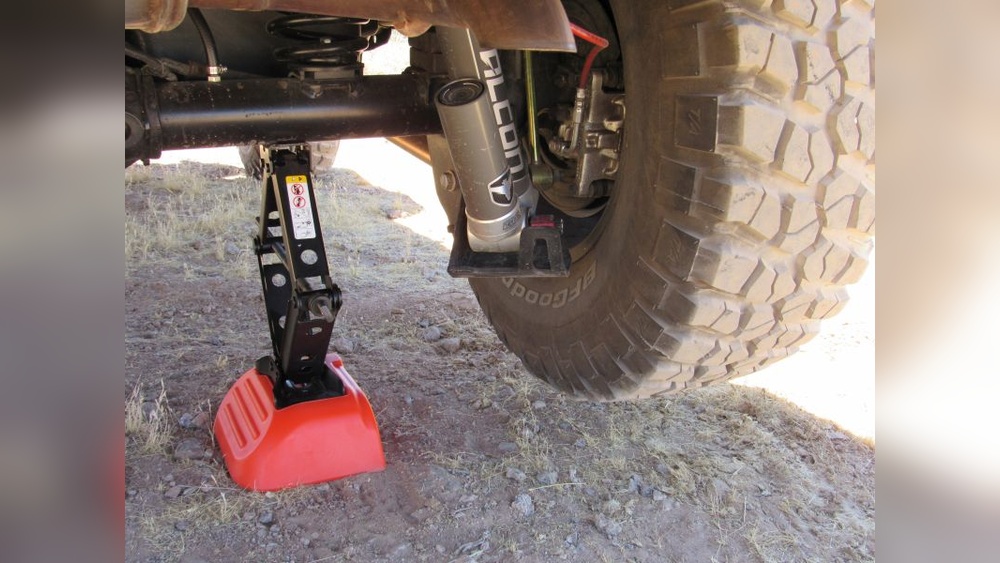
- Solid Base: A sturdy board or mat is crucial if jacking on dirt or sand.
Jack Type Comparison
| Jack Type | Max Height | Best For | Drawback |
|---|---|---|---|
| High-lift Jack | Up to 48 inches | Off-road, trail use | Can be unstable |
| Floor Jack | 20-24 inches | Garage, flat surfaces | Heavy, less portable |
| Bottle Jack | 12-20 inches | Quick lifts | Limited reach |
Step-by-step Guide To Jacking Up A Lifted Jeep
Follow these steps every time. Rushing or skipping steps is risky.
1. Park On Level Ground
Make sure the Jeep is on a flat surface. If you’re off-road, use a solid base like a board under the jack.
2. Engage The Parking Brake
Always secure the Jeep. Place wheel chocks on the wheels that will stay on the ground.
3. Locate Safe Jack Points
Look for strong spots on the Jeep’s frame or axle. Never jack under plastic or suspension parts. Many lifted Jeeps have aftermarket steel bumpers or sliders—use these only if they’re rated for jacking.
4. Position The Jack
Slide the jack under the lifting point. For high-lift jacks, connect the jack to a rock slider or steel bumper.
5. Lift Slowly
Raise the Jeep until the tire is off the ground. If using a high-lift, keep your body clear in case the jack slips.
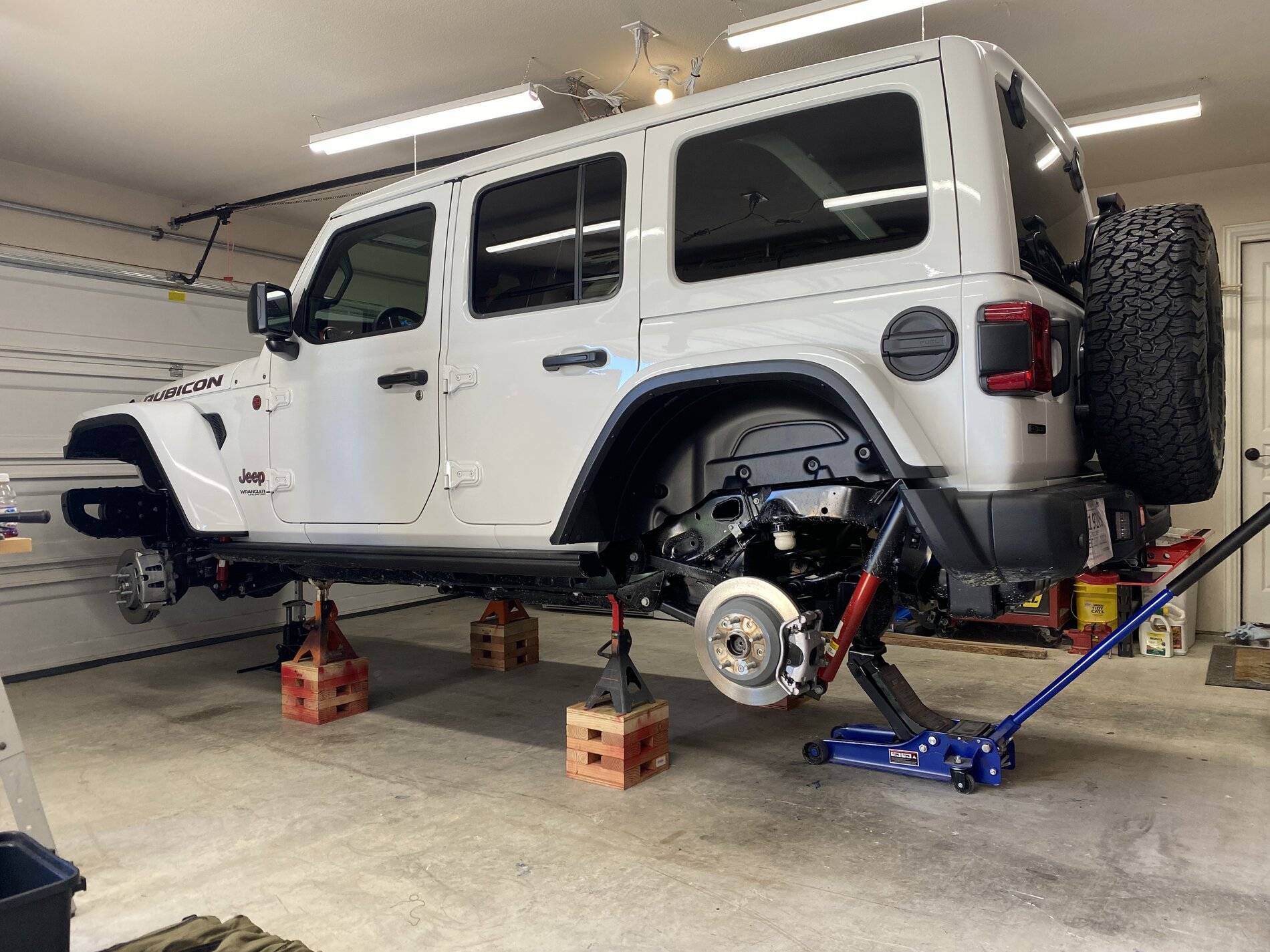
6. Place Jack Stands
Set stands under the frame or axle, as close to the jack point as possible. Lower the Jeep gently onto the stands.
7. Double-check Stability
Shake the Jeep gently to be sure it’s stable before you work underneath.
8. Reverse The Process To Lower
Lift slightly off the stands, remove the stands, and then lower the Jeep fully.
Example: Changing A Tire On A Lifted Jeep Wrangler
Suppose your Wrangler Rubicon has a 3-inch lift and 35-inch tires. A standard jack won’t reach the frame. Instead:
- Use a high-lift jack on the steel rock slider.
- Lift until the tire clears the ground.
- Place 6-ton jack stands under the frame.
- Always keep hands and feet clear of the jack’s moving parts.
Common Mistakes And How To Avoid Them
1. Using The Stock Jack
Many Jeep owners try to use the factory jack. It’s not tall enough for most lifts and can slip.
2. Jacking On Soft Ground Without A Base
High-lift jacks sink into dirt. Always use a solid base plate.
3. Skipping Jack Stands
Never work under a Jeep that’s only held by a jack. A stand is your safety net.
4. Lifting On Weak Points
Suspension arms and plastic bumpers can bend or break. Use only the frame, axles, or steel sliders.
5. Forgetting Wheel Chocks
Even with the parking brake, a Jeep can roll. Chocks are cheap insurance.

Extra Tips For Safety And Ease
- Carry a Jack Base: Off-roaders often use a thick plastic or wooden base for better stability.
- Check Jack Ratings: Your Jeep’s curb weight can easily exceed 4,000 lbs. Never use a jack or stand below your Jeep’s weight.
- Regularly Inspect Your Gear: Dirt and rust can weaken jacks and stands.
- Practice at Home: Try jacking up your Jeep in your driveway before you need to do it on the trail.
- Use the Right Tools for Oversized Tires: Large tires may require a longer breaker bar or special lug wrenches.
Frequently Asked Questions
How Do I Know If My Jack Is Tall Enough For My Lifted Jeep?
Check your Jeep’s ground clearance at the frame. Your jack must have a lift height that exceeds this distance. For example, if your frame sits 18 inches above the ground, your jack should reach at least 20 inches.
Can I Use A Bottle Jack On A Lifted Jeep?
A bottle jack can work if it has enough reach, but many do not. Some off-road bottle jacks come with extensions. Always check the max height before relying on one.
Where Is The Safest Place To Put Jack Stands Under A Lifted Jeep?
The frame rails or solid axle tubes are the best spots. Avoid suspension arms, skid plates, or thin metal areas. If you have aftermarket sliders, make sure they’re rated for supporting the vehicle.
What Should I Do If My Jack Starts To Lean Or Sink While Lifting?
Stop immediately. Lower the Jeep, reposition the jack on a more solid base, and try again. Never continue jacking if the base is unstable.
Where Can I Learn More About Safe Jacking Techniques For Off-road Vehicles?
You can find more detailed safety tips and videos on the official JL Wrangler Forum or similar off-road communities.
Jacking up a lifted Jeep takes extra care and the right tools, but with preparation and practice, it’s a skill every Jeep owner can master. Always put safety first, double-check your equipment, and you’ll be ready for whatever the trail throws your way.