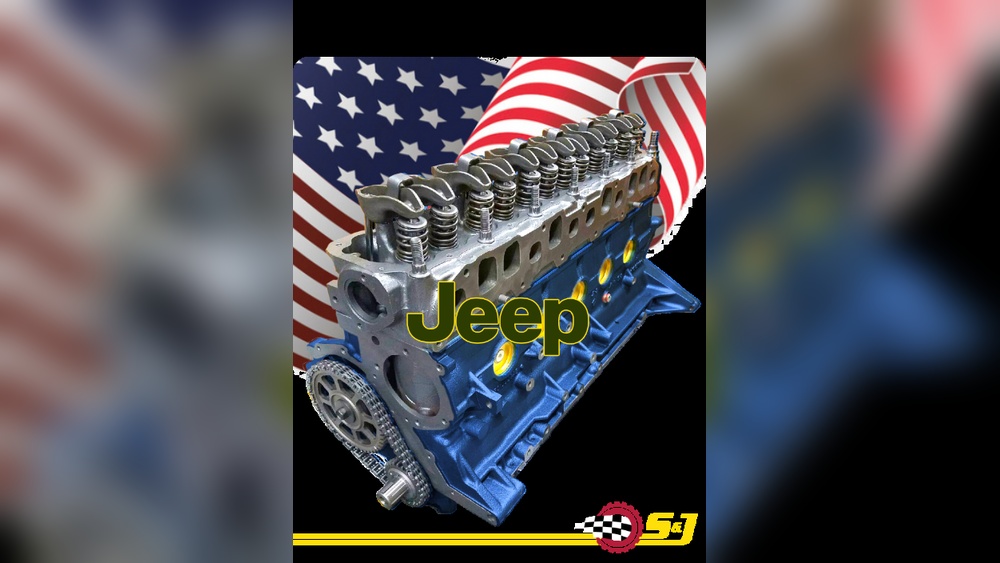
Rebuilding a Jeep 258 engine is a rewarding project for any automotive enthusiast. The 258, also known as the 4.
2L inline-six, powered Jeep models for decades. Known for its reliability and strong torque, this engine can deliver many more miles if rebuilt correctly.
However, the process is detailed and requires patience, proper tools, and a step-by-step approach. Many owners find that rebuilding this engine also gives them a deeper understanding of how their vehicle works, which can make troubleshooting easier in the future.
Planning And Preparation
Before starting, make sure you have a workshop manual for reference, a clean workspace, and all necessary tools. Label and organize parts as you remove them. Take photos during disassembly for easier reassembly. Some people use zip-top bags and a marker to keep small bolts and hardware grouped together. This small step can save hours of confusion later. Also, clear enough space around your workbench so you can lay out parts in order—they need to stay organized and safe from damage or loss.
Key Items Needed
- Basic hand tools (wrenches, sockets, screwdrivers)
- Engine hoist
- Torque wrench
- Micrometer and feeler gauges
- Engine stand
- Cleaning supplies (degreaser, brushes)
- Replacement parts (gaskets, bearings, piston rings, etc.)
If you don’t already own some of these tools, consider borrowing or renting, especially the engine hoist and stand. Investing in the right equipment up front will prevent accidents and make the job go much smoother.
Disassembly
Carefully disconnect the battery and drain all fluids. Remove the radiator, hoses, belts, and accessories.
Label all wiring and vacuum lines. Take off the intake and exhaust manifolds.
If any bolts are stuck, use penetrating oil and patience forcing them can cause breakage or snapped studs.
- Remove the valve cover and rocker arms.
- Take off the push rods and lifters.
- Remove the cylinder head.
- Remove the oil pan and oil pump.
- Unbolt and remove the timing cover and timing set.
- Take out the pistons and connecting rods.
- Remove the crankshaft.
Lay out all parts in order and inspect them for wear. Look for cracks, scoring, or damage.
Even if some pieces look “okay,” check carefully for tiny cracks, especially around bolt holes and bearing surfaces. Some damage is easy to miss until the engine is running again.
Inspection And Cleaning
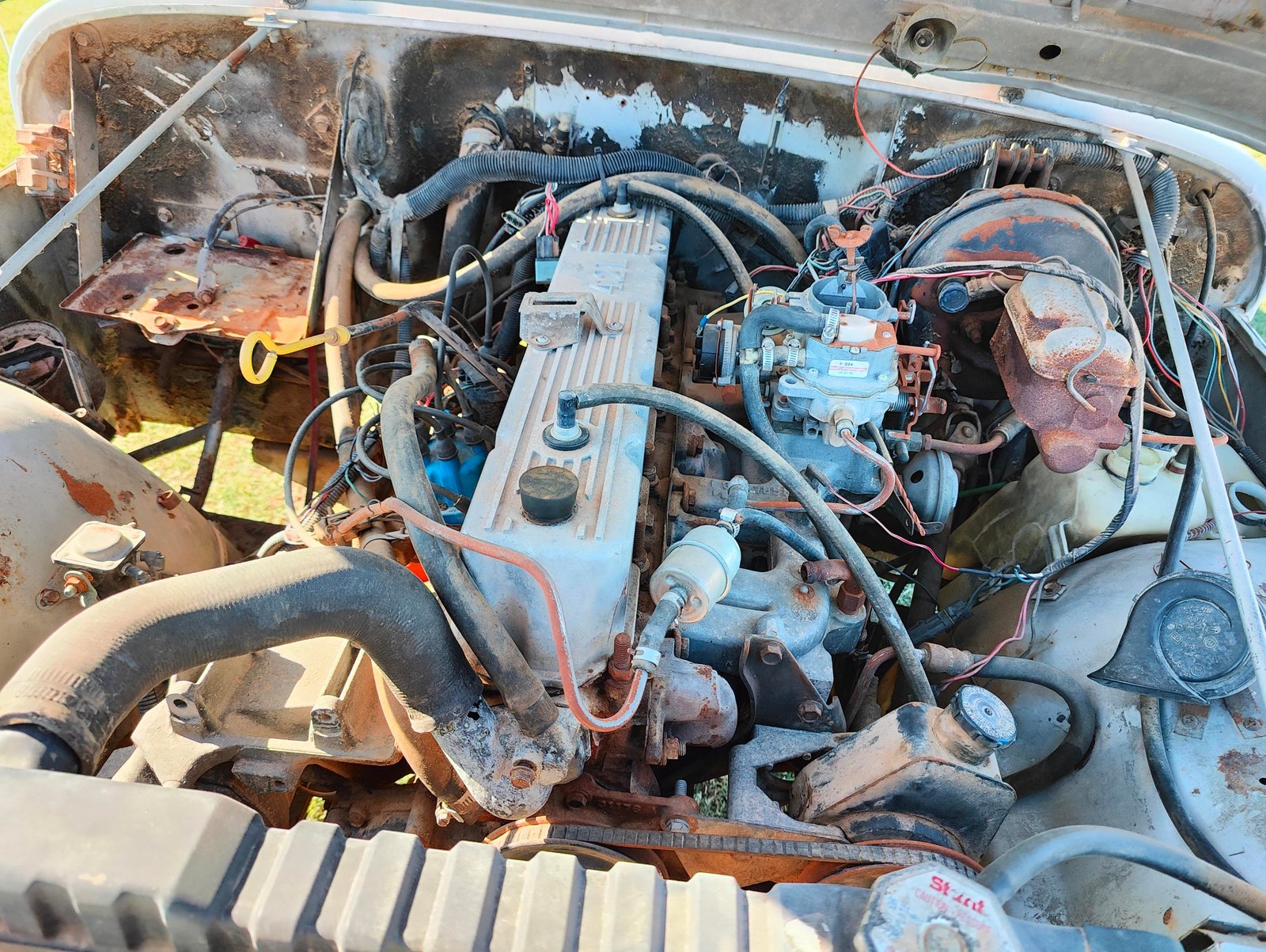
Thoroughly clean all engine parts. Use a machine shop for hot-tanking the block and heads. Inspect the cylinder bores for scoring or taper. This step is vital, since dirt or old oil left behind can ruin new parts in minutes.
Key Inspection Points
- Measure cylinder bore diameter and taper.
- Check crankshaft journals for scoring.
- Inspect camshaft for wear.
- Examine pistons and rods for damage.
If you find any cracks or severe wear, replace the component. Do not try to reuse parts that are out of spec this shortcut usually leads to engine failure.
Also, check all oil passages in the block and head for blockages; these small holes are critical for lubrication.
If unsure, ask your machinist to double-check for you.
Machine Work
Most rebuilds require machine shop services. Common tasks include:
- Boring and honing cylinders
- Resurfacing the cylinder head and block
- Grinding the crankshaft
- Pressing new pistons onto rods
Consult with your machine shop for recommendations. Ensure all measurements are within factory specifications.
If you want better reliability, ask about upgrading valve seats or installing hardened exhaust seats for modern fuels. Some Jeep owners also choose to deck the block or align-hone the main caps for improved sealing and bearing life.
Parts Replacement
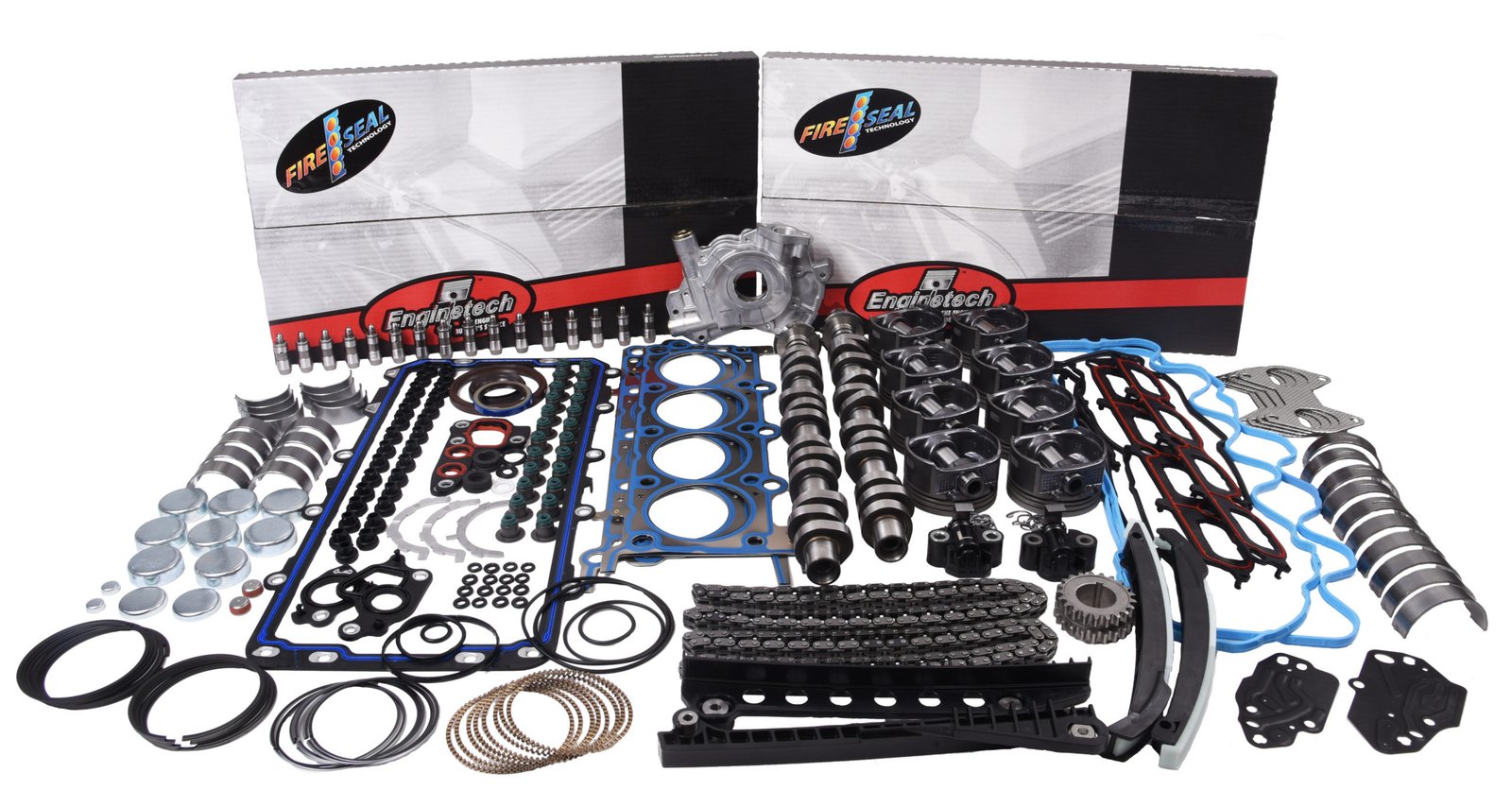
Use high-quality gasket sets, bearings, and piston rings. Replace the oil pump, timing set, and water pump. If the camshaft or lifters are worn, replace them as a set. Don’t forget small but important items like freeze plugs and timing chain tensioners.
Here is a quick comparison of stock versus aftermarket parts:
| Component | Stock | Aftermarket |
|---|---|---|
| Piston Rings | Standard fit | Performance options available |
| Oil Pump | OEM quality | High-flow option |
| Camshaft | Stock profile | Performance grinds |
Pro tip: Always match new parts to your engine specs. Don’t assume aftermarket is always better—compatibility is crucial. For street-driven Jeeps, OEM-quality parts are usually the best blend of reliability and value. High-performance parts may require more frequent maintenance and careful tuning.
Reassembly
Cleanliness is key. Double-check all surfaces are free of debris.
Lubricate moving parts with assembly lube. Take your time; rushing this stage can cause expensive mistakes.
- Install the crankshaft and torque the main caps.
- Fit the pistons and connecting rods, checking ring gap and orientation.
- Install the camshaft and timing set, aligning timing marks.
- Attach the oil pump and pan.
- Mount the cylinder head with a new gasket and torque bolts in sequence.
- Install push rods, lifters, and rocker arms.
- Refit intake and exhaust manifolds.
- Install external components (water pump, fuel pump, distributor).
Here’s a summary of torque specifications for common fasteners:
| Component | Torque (ft-lbs) |
|---|---|
| Main cap bolts | 80-85 |
| Rod bolts | 38-43 |
| Head bolts | 110 |
Beginner insight: Always lubricate bolts as specified and follow the correct sequence to avoid warping parts. Another tip—spin the assembled engine by hand before installing external parts. This check can catch binding or incorrect assembly before first startup.
Break-in And Testing
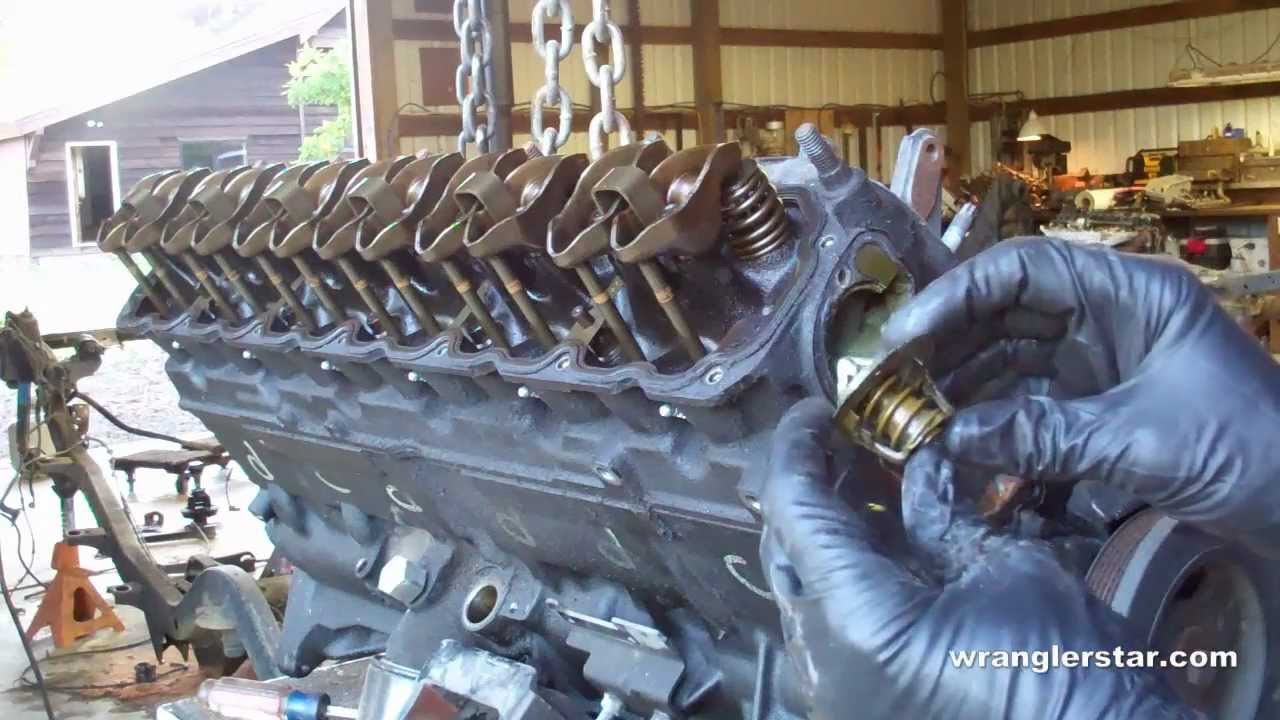
Once assembled, fill with break-in oil. Prime the oil system before starting.
On first start, run the engine at 2,000-2,500 RPM for 20 minutes to break in the camshaft. Watch oil pressure and temperature closely.
Keep a fire extinguisher nearby during first startup, just in case.
After break-in, drain oil and replace with standard oil. Check for leaks, noises, or abnormal readings.
Retorque the cylinder head if required by your manual. Drive gently for the first 500 1,000 miles, avoiding heavy loads or high RPMs.
This helps new rings and bearings seat properly.
Common Mistakes To Avoid
- Rushing the cleaning process
- Mixing up push rods and lifters
- Forgetting to prime the oil pump
Another common error: skipping the camshaft break-in procedure, which can quickly ruin a new cam and lifters. Always follow the manufacturer’s recommendations for break-in oil and procedure.
When To Seek Professional Help
If you are unsure about measurements or machine work, consult a professional. Errors in clearances or assembly can lead to costly engine failure.
It’s better to ask for help than to risk the entire rebuild. Many machine shops offer assembly services or can check your work for a small fee.
For more details, visit the official AMC straight-6 engine page.
Frequently Asked Questions
What Tools Are Essential For Rebuilding A Jeep 258 Engine?
You need a torque wrench, engine stand, micrometers, feeler gauges, and a full set of hand tools. An engine hoist is critical for safe removal and installation.
If you don’t have a ring compressor, borrow one this small tool makes piston installation much easier.
How Long Does It Take To Rebuild A Jeep 258 Engine?
A complete rebuild typically takes 20 40 hours, depending on experience and access to machine shop services. Add extra time if you need to order special parts or wait for machine work.
What Are The Signs My 258 Engine Needs Rebuilding?
Look for excessive oil consumption, low compression, knocking noises, or visible smoke. Loss of power is another warning sign.
You may also notice metal shavings in the oil or coolant in the oil, which indicate more serious internal problems.
Can I Reuse Old Pistons And Rods?
You can reuse them if they pass inspection for cracks, wear, and measurements. Always replace bearings, rings, and gaskets.
If you plan to increase engine power, consider upgrading to stronger aftermarket rods and pistons for extra reliability.
Is It Cheaper To Rebuild Or Replace The Engine?
Rebuilding can be more cost-effective if your block and head are in good shape. However, if major components are damaged, a remanufactured engine may be more practical.
Compare costs, warranty, and your own skills before deciding.
Rebuilding a Jeep 258 engine is a challenging but achievable project with careful planning and attention to detail. Taking your time, using the right tools, and double-checking every step will reward you with reliable performance for years to come. And perhaps best of all, you’ll know your Jeep’s heart is strong—because you built it yourself.