If you own a Jeep Wrangler, you know how important it is to keep your vehicle running smoothly. One small dashboard light—the oil indicator—can cause worry if you don’t know what it means or how to reset it. Whether you just changed your oil or the light is on by mistake, learning how to reset the oil indicator is essential for every Wrangler owner. This guide will walk you through the process step-by-step, highlight common mistakes, and share tips so you can handle this like a pro.
Why Resetting The Oil Indicator Matters
The oil indicator is a reminder system. It’s not just a warning about low oil; it’s often based on mileage or engine running hours. After an oil change, the Jeep’s computer still thinks the oil is old unless you reset the indicator. Ignoring this can lead to confusion later and may cause you to miss real maintenance alerts.
Some owners are surprised to learn that resetting the indicator does not affect the oil quality or the engine itself; it only resets the timer for the next reminder. However, if you forget this step, you may get unnecessary service lights or even ignore a real warning, risking engine damage.
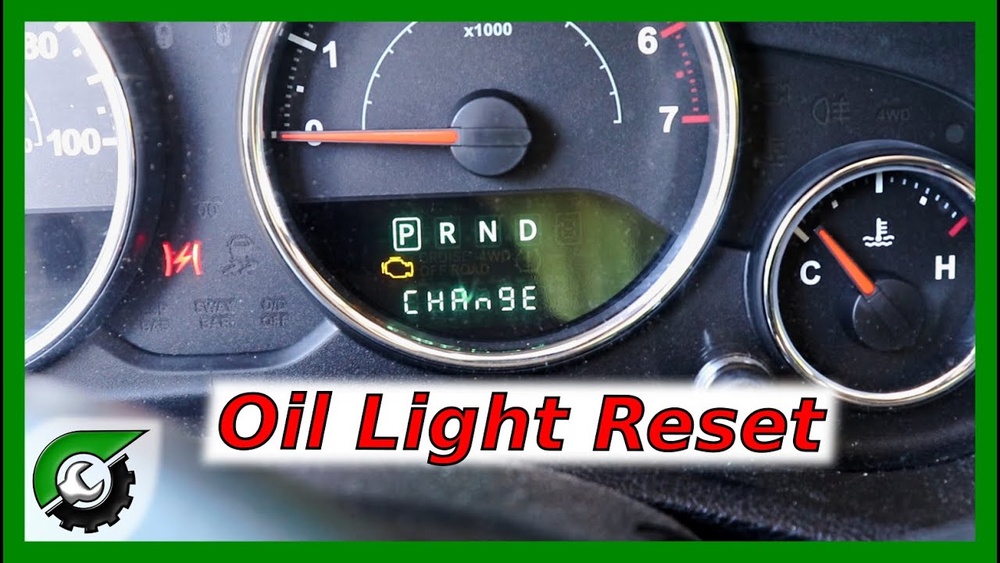
How The Oil Indicator System Works
Most modern Jeep Wranglers (especially from 2007 onwards) use an electronic oil life monitoring system. This system checks how far and how hard you’ve driven since the last reset. Here’s a quick comparison of how this system works across different Jeep Wrangler models:
| Model Year | Oil Indicator Type | Reset Method |
|---|---|---|
| 2007-2017 JK | Manual Mileage Counter | Pedal Press Sequence |
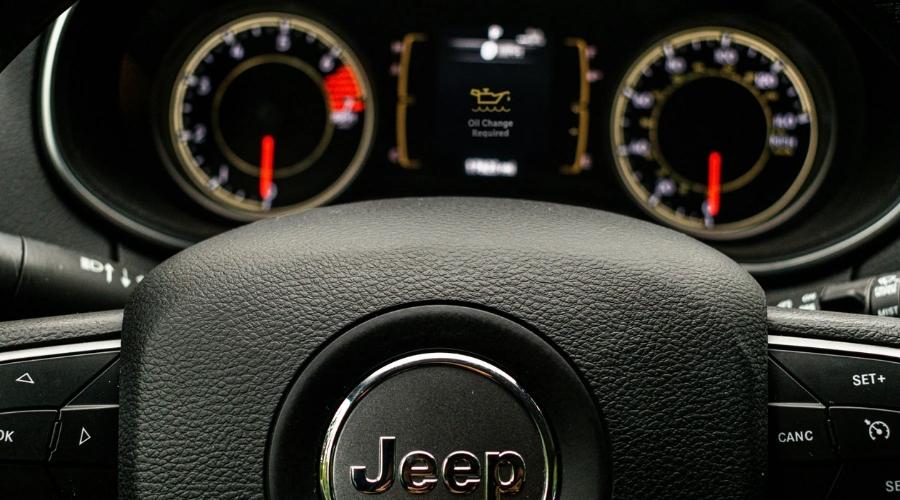
| 2018+ JL/JLU | Digital Menu | Steering Wheel Buttons |
Non-obvious insight: Not all Wranglers use the same reset steps, so always check your owner’s manual if in doubt.
Step-by-step: Resetting The Oil Indicator
The exact method depends on your model year. Below are the two main procedures for Jeep Wrangler JK (2007-2017) and JL/JLU (2018 and newer).
For 2007–2017 Jeep Wrangler (jk)
- Insert the key and turn it to the “ON” position (do not start the engine).
- Press the gas pedal slowly three times within 10 seconds.
- Turn the key back to “OFF” and remove it.
- Wait a few seconds, then start the engine to check if the oil light is gone.
Tip: If you go too fast or slow with the pedal presses, the reset may not work. Try again with even timing.
For 2018+ Jeep Wrangler (jl/jlu)
- Put the ignition in the ON/RUN position (engine off).
- Use the steering wheel controls to navigate to the “Vehicle Info” screen.
- Select “Oil Life” using the arrow buttons.
- Hold the OK button until the oil life resets to 100%.
Extra tip: If the reset doesn’t work the first time, double-check you’re on the right screen and repeat the steps.
What If The Oil Indicator Won’t Reset?
Sometimes, the light stays on even after following the steps. This can happen if:
- The oil change was not performed correctly.
- The steps were done too quickly or slowly.
- There is a real problem with the oil pressure.
If the indicator remains, try the reset process one more time. If it still fails, it may be time to have the vehicle checked by a mechanic. A stuck oil light can signal a deeper issue, such as a faulty sensor.
Common Mistakes To Avoid
Many Wrangler owners try to reset the oil indicator but run into trouble. Here are the most common errors:
| Mistake | Consequence |
|---|---|
| Resetting without changing oil | Can damage your engine over time |
| Pressing gas pedal too fast/slow | Reset fails, indicator stays on |
| Ignoring a solid red oil light | May signal a real oil pressure problem |
Practical tip: Always change your oil before resetting the indicator. Resetting without a real oil change can lead to engine trouble.
How Often Should You Reset The Oil Indicator?
The oil indicator should only be reset after a full oil change. Jeep recommends changing the oil every 5,000 to 7,500 miles for most models, but always check your owner’s manual for your specific year. Resetting at the wrong time can lead you to skip important maintenance.
Hidden insight: If you reset by accident, make a note of your last oil change mileage so you don’t lose track.

Key Signs Your Oil Indicator Needs Attention
If you see the oil indicator light, it usually means:
- Time for scheduled oil service
- Oil life is below 10%
- There’s a possible oil system issue
A blinking oil light is different than a solid one. A blinking light needs urgent attention—never just reset it. If you hear engine noises or see smoke, stop driving and call for help.
When To See A Mechanic
If you can’t reset the light after a few tries, or if the light keeps coming back quickly, it’s a sign something else is wrong. Common causes include a faulty oil sensor, wiring problems, or even a real drop in oil pressure.
These need a professional’s help.
Frequently Asked Questions
How Do I Know If My Oil Indicator Reset Worked?
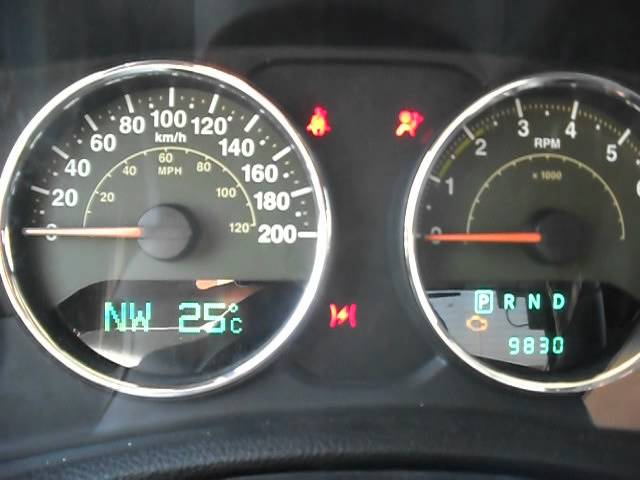
After following the reset steps, start your Jeep. The oil indicator should be off, and the oil life percentage should show 100% in the dashboard menu (on newer models).
Will Resetting The Oil Indicator Fix Engine Problems?
No. Resetting only clears the reminder. If there’s a true oil issue, like low pressure, the light will likely come back or a different warning will appear. Fix the underlying problem first.
Is It Safe To Drive With The Oil Indicator On?
If the light is on after an oil change, it’s usually safe for a short time. If you haven’t changed your oil, or if the light is red or flashing, stop driving and check your oil immediately.
Can I Reset The Indicator Without Tools?
Yes. Both methods—pedal press and steering wheel buttons—use controls already in your Jeep. No special tools or devices are required.
Where Can I Find Official Instructions For My Jeep?
The best source is the Jeep owner’s manual. You can also visit the official Jeep Owner Site for more resources.
Keeping your Jeep Wrangler’s oil indicator accurate is a simple but crucial task. By following these steps, you can keep your reminders on track and avoid confusion down the road. Always make sure you change your oil before resetting, and don’t ignore warning lights that don’t reset. With this knowledge, you’ll keep your Wrangler running strong and safe for years to come.