RIPP superchargers are popular upgrades for vehicles, especially Jeep and Dodge models. They promise more horsepower, torque, and a boost in overall driving performance. But like any mechanical system, superchargers can face problems. If you’re considering a RIPP supercharger or already have one, it’s smart to know the common issues and how to deal with them. Let’s explore the real-world challenges, repair costs, and practical advice that most guides miss.
Main Problems With Ripp Superchargers
RIPP superchargers are built for reliability, but some problems happen more often than others. Knowing these can help you maintain your system and avoid expensive repairs.
1. Belt Slippage
One of the most reported issues is belt slippage. The supercharger relies on a belt to spin the compressor. When the belt slips, you lose boost and power.
- Symptoms: Whining noise, reduced acceleration, or visible wear on the belt.
- Causes: Incorrect tension, oil contamination, or cheap replacement belts.
- Fix: Check tension regularly. Use OEM or high-quality belts. Avoid oil leaks.
2. Overheating
Superchargers add heat to the engine. Overheating can cause serious damage.
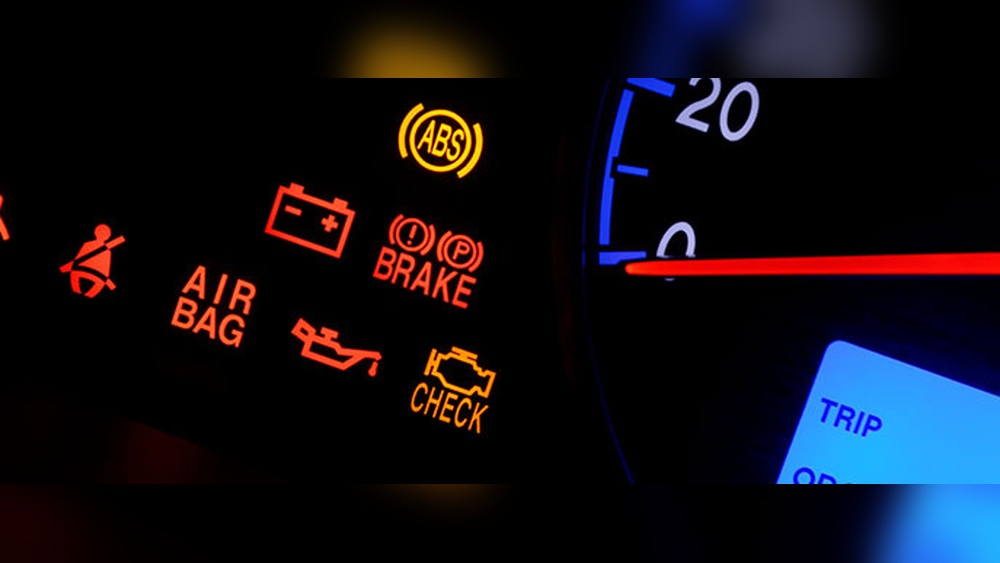
- Signs: Engine temperature rising, loss of performance, or warning lights.
- Prevention: Install upgraded radiators or intercoolers. Keep coolant levels steady.
3. Oil Leaks
Oil leaks are common, especially around the supercharger seals.
- Where leaks happen: At the front seal or connection points.
- Result: Reduced lubrication, risk of bearing failure.
- Solution: Inspect seals every oil change. Replace if any seepage is found.
4. Whining And Noisy Operation
A slight whine is normal, but excessive noise signals trouble.
- Possible causes: Worn bearings, bad pulley alignment, or loose mounting bolts.
- What to do: Check bearings and pulleys during routine maintenance.
5. Tuning And Ecu Problems
RIPP superchargers require engine tuning for safe operation. Wrong tuning leads to engine knock or check engine lights.
- Risk: Poor fuel efficiency, misfires, or even engine damage.
- Advice: Use professional tuning shops. Don’t rely on generic, online maps.
6. Supercharger Clutch Failure
Some RIPP kits have a clutch system that engages/disengages the supercharger.
- Symptoms: Loss of boost, sudden noise, or failure to engage.
- Action: Replace clutch as soon as issues appear to avoid further damage.
7. Air Intake Leaks
Air leaks in the intake system reduce performance.
- Symptoms: Low boost, rough idle, or error codes.
- Fix: Inspect all clamps, hoses, and connections regularly.
Typical Repair Costs And Downtime
Understanding repair costs helps you plan. Here’s a quick breakdown:
| Problem | Average Repair Cost | Downtime |
|---|---|---|
| Belt Replacement | $80–$200 | 1–2 hours |
| Seal Repair | $150–$350 | 2–3 hours |
| Clutch Replacement | $400–$900 | 3–5 hours |
| Tuning/ECU Update | $250–$600 | 1–2 days |

Performance Loss And Efficiency Concerns
Superchargers increase power, but sometimes users notice performance loss or poor fuel efficiency over time. This usually happens when maintenance is skipped or tuning is incorrect.
How Performance Drops
- Clogged air filters or dirty oil can cut boost by up to 20%.
- Poor tuning can reduce horsepower by 10–15% and increase fuel consumption.
| Cause | Estimated Power Loss | Impact on MPG |
|---|---|---|
| Dirty Air Filter | Up to 20% | 3–5 MPG drop |
| Belt Slippage | 15–25% | 4–6 MPG drop |
| Poor Tuning | 10–15% | 5–8 MPG drop |
Common Maintenance Mistakes
Many beginners skip regular checks, thinking superchargers are “install and forget. ” This is risky. Failing to check belts, filters, and oil levels causes most problems. Always follow the recommended schedule.
Comparison: Ripp Supercharger Vs. Other Brands
How do RIPP superchargers compare to other brands like Magnuson or Whipple?
| Brand | Reliability | Ease of Installation | Common Issues |
|---|---|---|---|
| RIPP | Good | Moderate | Belt, tuning, oil leaks |
| Magnuson | Very Good | Easy | Heat, tuning |
| Whipple | Excellent | Difficult | Noise, intake leaks |
RIPP stands out for easy availability and support, but requires more tuning attention.
Non-obvious Insights For Ripp Supercharger Owners
- Heat cycling is a hidden problem. Repeated hot/cold cycles can cause seals to harden and crack, even if you don’t see leaks right away. Always check seals after summer or winter.
- Aftermarket engine mounts can change supercharger belt alignment. If you upgrade mounts, check belt tension and alignment immediately.
Practical Tips To Avoid Problems
- Always use the recommended oil type for your supercharger.
- Inspect the mounting bolts after rough driving or off-road use.
- Install a catch can to prevent oil vapor from entering the intake.
- Use a reputable shop for tuning. Avoid “mail-order” tune files.
- Clean air filters every 5,000 miles for best performance.
For more technical details, visit the official RIPP Superchargers website.

Frequently Asked Questions
How Often Should I Service My Ripp Supercharger?
Service your RIPP supercharger every 10,000–15,000 miles. Check the belt, seals, and oil each time. Frequent checks reduce the chance of big repairs.
Can I Install A Ripp Supercharger Myself?
DIY installation is possible if you have mechanical experience. However, professional installation is recommended because tuning and alignment are tricky.
Why Does My Supercharger Make A Loud Whining Noise?
Some noise is normal. But excessive whining means the belt is loose, the bearings are worn, or the pulley is misaligned. Inspect these parts right away.
Will A Ripp Supercharger Void My Vehicle’s Warranty?
Most warranties are affected if you install aftermarket parts. Always check your manufacturer’s policy before installing a supercharger.
Is It Possible To Improve Fuel Efficiency With A Ripp Supercharger?
Yes, if you keep the system tuned and maintain it well. A poorly tuned supercharger can lower MPG, but a well-maintained one keeps performance high and fuel use reasonable.
RIPP superchargers deliver exciting power gains, but owners must pay attention to maintenance and tuning. With the right care and knowledge, you can enjoy safe, reliable performance. By understanding these common problems, you’ll save money and keep your vehicle running strong.