Changing the coolant in your Jeep Grand Cherokee is a smart way to protect your engine and save money. Fresh coolant keeps your engine from overheating or freezing, and prevents rust inside the cooling system. Many owners delay this job because it sounds complicated, but with the right steps, you can do it yourself in less than an hour. This guide will show you how to change the coolant safely and correctly, even if you’re a beginner.
Why Coolant Matters In Your Jeep Grand Cherokee
Coolant, also called antifreeze, is more than just colored liquid. It controls your engine’s temperature and stops corrosion. Over time, old coolant loses its effectiveness and can cause overheating, leaks, or damage to expensive parts. Most Jeep Grand Cherokees need a coolant change every 100,000 miles or every 5 years, but check your owner’s manual for exact intervals.
Essential Tools And Materials
Before you start, gather these items:
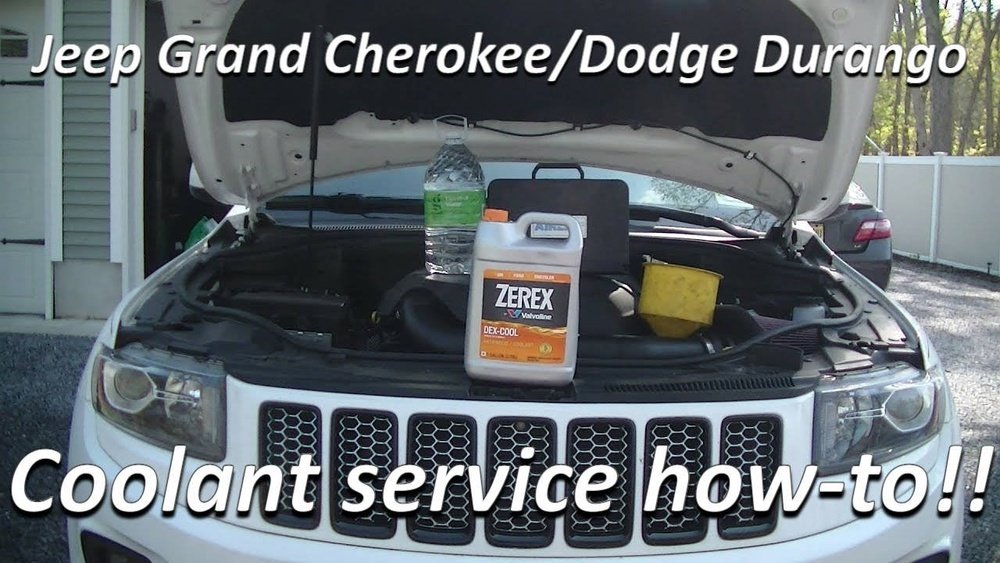
- New coolant (refer to your Jeep’s manual for the correct type, usually HOAT or OAT)
- Distilled water (not tap water)
- Large drain pan (at least 2 gallons)
- Socket wrench set
- Flathead screwdriver
- Funnel
- Gloves and safety glasses
- Rags or paper towels
You’ll also need a safe place to dispose of old coolant. Never pour it down the drain; it’s toxic to people and pets.
Steps To Change Coolant In A Jeep Grand Cherokee
Changing coolant is straightforward if you follow each step carefully. For most Grand Cherokees, the process is similar, but always check your model year for details.
1. Let The Engine Cool
Never change coolant with a hot engine. Wait at least 30 minutes after driving. Hot coolant can spray and cause burns.
2. Locate The Drain Plug
Open the hood and find the radiator at the front of the engine bay. Underneath, look for the drain plug (petcock) on the bottom corner. Some models have a drain plug on the engine block as well.
3. Drain The Old Coolant
Put the drain pan under the radiator. Slowly turn the drain plug counterclockwise with a wrench or screwdriver. Let the coolant flow out completely. If your Jeep has a block drain plug, loosen that too.
4. Flush The System (optional But Recommended)
To remove old coolant and debris, pour distilled water into the radiator and let it drain again. Repeat until the water runs clear. This helps prevent rust and keeps the system clean.
5. Close The Drain Plug
Once drained, tighten the drain plug securely. Use a rag to wipe any spills.
6. Add New Coolant
Mix the coolant and distilled water in a 50/50 ratio unless you buy pre-mixed. Use a funnel to pour the new coolant slowly into the radiator. Fill until the level reaches the full mark.
7. Bleed Air From The System
Air pockets can cause overheating. Start the engine and let it run for 10–15 minutes with the radiator cap off. Watch for bubbles as air escapes. Add more coolant if needed.
8. Replace The Radiator Cap And Check For Leaks
Put the radiator cap back on tightly. Inspect under the vehicle for leaks. Wipe up any spills.
9. Dispose Of Old Coolant Properly
Take old coolant to a hazardous waste center. Many auto parts stores accept used coolant.
Coolant Types For Jeep Grand Cherokee
Choosing the right coolant is crucial. Here’s a quick comparison:
| Coolant Type | Color | Recommended Use | Life Span |
|---|---|---|---|
| HOAT | Purple/Orange | 2005–2013 models | 5 years/100,000 miles |
| OAT | Orange | 2014–present models | 5 years/150,000 miles |
| Conventional | Green | Older Jeeps | 2 years/30,000 miles |
Always check your owner’s manual for the correct type. Mixing coolants can damage your engine.

Common Mistakes When Changing Coolant
Many beginners make simple errors. Avoid these to keep your Jeep safe:
- Not letting the engine cool fully before starting.
- Using tap water instead of distilled water (tap water causes mineral buildup).
- Overfilling the radiator, which can cause pressure problems.
- Forgetting to bleed air from the system.
- Mixing different coolant types.
For extra safety, label your coolant containers and keep pets away from spills.
Signs Your Coolant Needs Changing
Sometimes, you need to change coolant before the scheduled interval. Look for these signs:
- Rusty or brown coolant
- Sweet smell inside the cabin
- Engine temperature rising quickly
- Visible leaks under the car
- Warning lights on the dashboard
Ignoring these signs can lead to engine failure or expensive repairs.

Cost Comparison: Diy Vs. Professional Service
Let’s see how much you can save by doing it yourself:
| Service | Estimated Cost | Time Required |
|---|---|---|
| DIY Coolant Change | $25–$50 | 45–60 minutes |
| Professional Service | $120–$180 | 30–45 minutes |
Doing it yourself can save over $100 each time. Plus, you learn more about your Jeep’s maintenance.
Extra Tips For A Smooth Coolant Change
- Always use a funnel to avoid spills.
- Wear gloves; coolant is harmful to skin.
- If your Grand Cherokee has a coolant reservoir, fill it to the “max” line after the radiator is full.
- Recheck coolant levels after your first drive; air pockets sometimes release later.
One insight many miss: after changing coolant, it’s wise to drive for a week and then check the coolant level again. Sometimes, trapped air escapes and lowers the level unexpectedly.

Frequently Asked Questions
How Often Should I Change Coolant In My Jeep Grand Cherokee?
Most models need a coolant change every 5 years or 100,000 miles. Check your manual for your exact interval.
Can I Use Any Type Of Coolant For My Jeep?
No. Only use the type specified in your manual—usually HOAT for older models and OAT for newer ones. Mixing types can cause engine damage.
Is It Safe To Drive If The Coolant Is Low?
Driving with low coolant can cause engine overheating and severe damage. Always top up coolant before driving.
What Happens If I Forget To Bleed The Air?
Air pockets can lead to overheating and erratic temperature readings. Always run the engine with the cap off for 10–15 minutes after refilling.
Where Can I Dispose Of Old Coolant?
Take old coolant to an auto parts store or a hazardous waste center. Never pour it down the drain. For more info, see EPA guidelines.
Changing coolant in your Jeep Grand Cherokee is a straightforward task that can keep your engine running smoothly for years. With the right tools and careful steps, you’ll protect your vehicle and save money. Don’t hesitate to check your coolant regularly and follow these guidelines for safe, effective maintenance.