Removing the spare tire from your Jeep Wrangler might seem simple, but there are a few things you should know before getting started. Whether you need to replace a flat, upgrade your wheels, or lighten your vehicle for off-roading, understanding the right steps makes the process quicker and safer. This guide breaks down everything you need, including tools, safety tips, and troubleshooting advice, so you can confidently remove your spare tire without any hassle.
What You Need Before Removing The Spare Tire
Before you start, gather these essentials:
- Socket wrench (usually 13/16″ or 21mm)
- Gloves for hand protection
- WD-40 or similar lubricant (optional for rusted bolts)
- Flat surface to park your Jeep
- Wheel chocks (for extra safety)
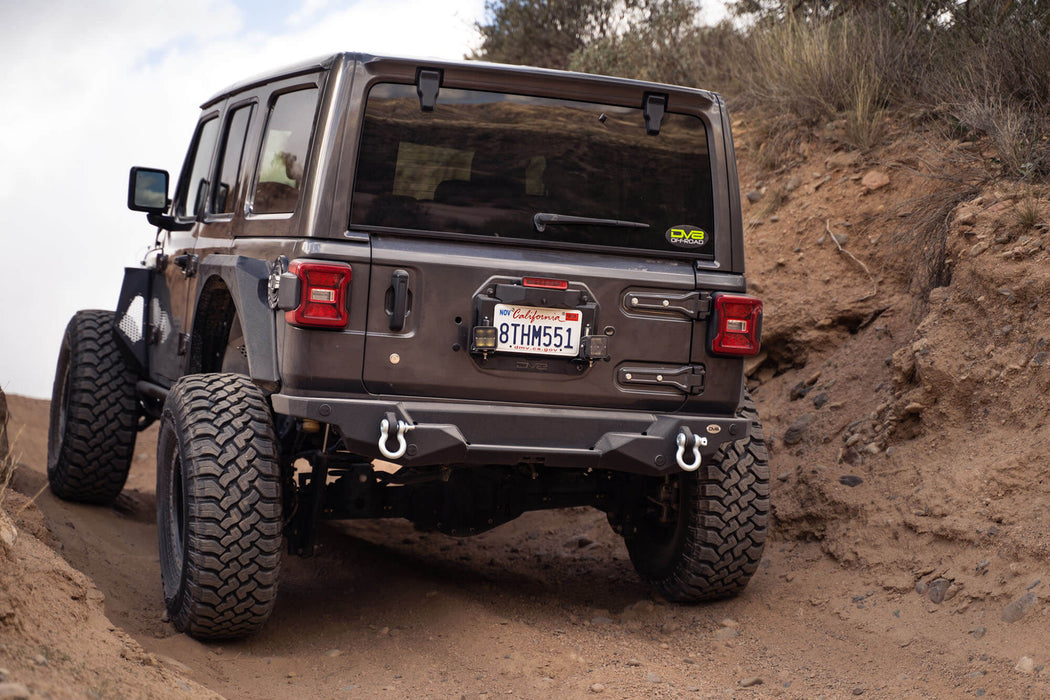
Checking your Jeep’s manual is smart, as some Wrangler models may have slightly different hardware. Most Wrangler spare tires are mounted on the rear tailgate, using three lug nuts.
Step-by-step Guide: Removing The Spare Tire
Follow these steps for safe and efficient removal:
1. Park Securely
Always park your Jeep on a flat, stable surface. Apply the parking brake and place wheel chocks behind the tires to prevent rolling.
2. Inspect The Spare Tire Mount
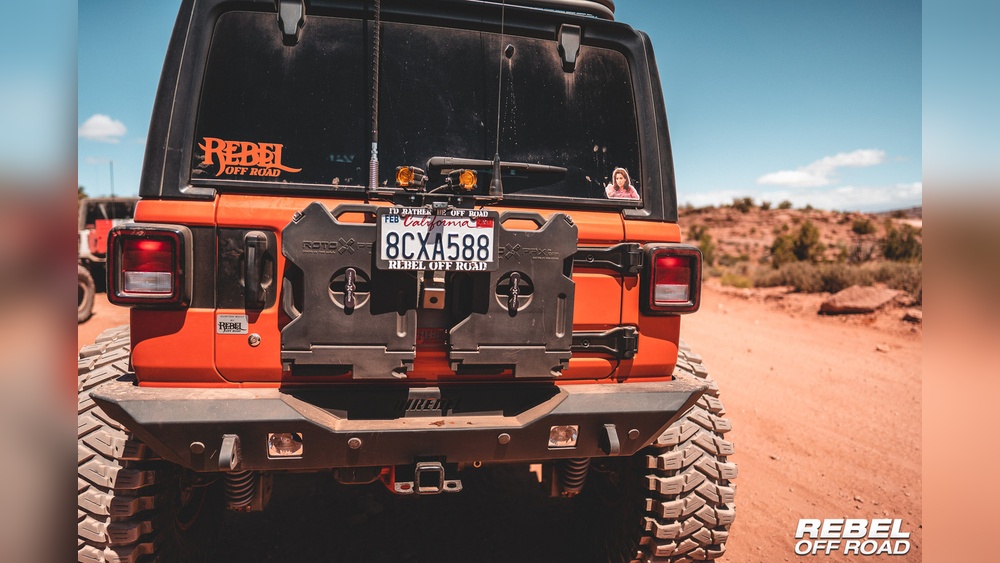
Look at the rear tailgate. You’ll see the spare tire carrier with three lug nuts holding the wheel. Some models may have a plastic cover or lock.
3. Remove Any Covers Or Locks
If your Jeep has a spare tire lock, use the key to remove it. Plastic covers can be popped off with your hands.
4. Loosen The Lug Nuts
Use your socket wrench to turn each lug nut counterclockwise. If they’re tight or rusted, spray a little WD-40 and wait a few minutes. Loosen all three nuts, but don’t remove them completely yet.
5. Support The Tire
With the nuts loose, hold the tire with one hand. Now, remove each nut fully. The tire may feel heavy (most weigh between 30–50 pounds), so be prepared.
6. Lift Off The Spare Tire
Pull the tire straight off the carrier. If it’s stuck, wiggle it gently. Avoid forcing or hitting the tire, as this could damage the carrier or tailgate.
7. Store Or Replace
Place the removed tire flat on the ground. If you’re swapping it for another, line up the holes and reverse the steps to install.
Common Mistakes Beginners Make
- Forgetting to secure the vehicle: Always use the parking brake and wheel chocks.
- Not loosening nuts evenly: Loosen each a little before fully removing, to avoid stress on the carrier.
- Ignoring rust or corrosion: Use lubricant if bolts are stuck, but never force them.
Spare Tire Removal: Wrangler Vs Other Suvs
Here’s how the process compares to other popular SUVs:
| Vehicle | Spare Tire Location | Tools Needed | Removal Difficulty |
|---|---|---|---|
| Jeep Wrangler | Rear tailgate | Socket wrench | Easy |
| Toyota 4Runner | Underbody | Crank handle | Moderate |
| Ford Explorer | Underbody | Crank handle, wrench | Moderate |
| Honda CR-V | Rear hatch | Socket wrench | Easy |
Wrangler’s tailgate mount makes it easier to access, but the tire is heavier compared to hatchback SUVs.
Handling Rusted Or Stuck Lug Nuts
If your Jeep Wrangler is older, or you drive in wet climates, you may face rusted lug nuts. Here’s what to do:
- Spray WD-40 or a penetrating oil on the nuts.
- Wait at least 10 minutes.
- Use a breaker bar instead of a standard wrench for extra leverage.
- If nuts still don’t move, tap gently with a rubber mallet.
Avoid using excessive force, which can damage threads or the carrier.
Spare Tire Carrier Types And Upgrades
Jeep Wrangler owners often upgrade their spare tire carrier for bigger tires or off-roading. Here’s a comparison of stock vs aftermarket carriers:
| Carrier Type | Max Tire Size | Durability | Price Range |
|---|---|---|---|
| Stock (OEM) | Up to 33″ | Moderate | $100–$200 |
| Heavy-duty (aftermarket) | Up to 37″ | High | $250–$500 |
| Swing-out carrier | Up to 40″ | Very High | $600–$1000 |
If you plan to run larger tires, upgrading the carrier is recommended. Stock carriers can bend or crack under heavy loads.
Safety Tips For Removing And Carrying The Spare Tire
- Lift with your legs, not your back, to avoid injury.
- If the tire is too heavy, ask for help.
- Keep fingers clear of lug holes when removing the tire.
- If you plan to drive without a spare, check local laws and be prepared for emergencies.
Real-world Example: Jeep Wrangler Jk
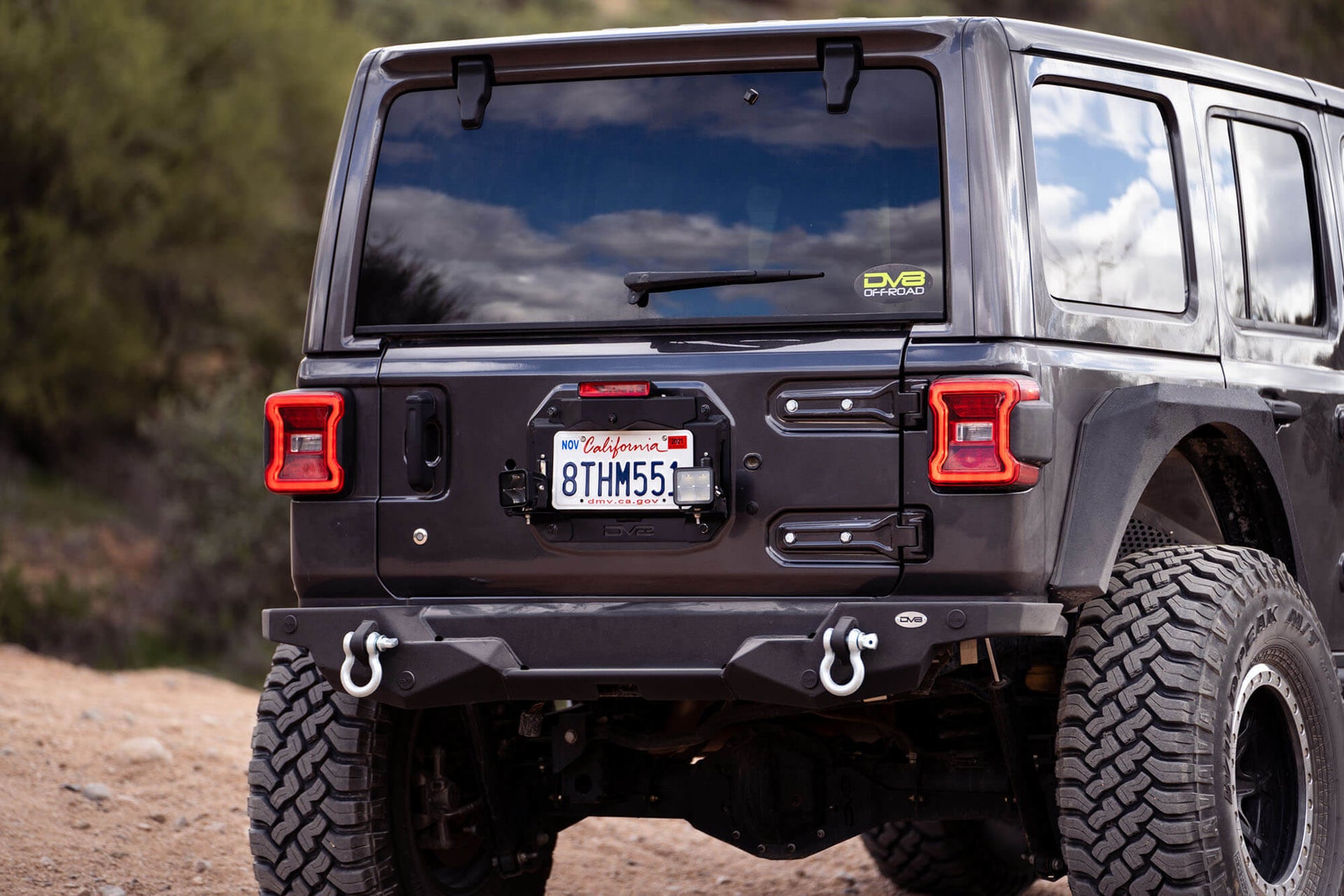
Let’s look at a real example. The Jeep Wrangler JK (2007–2018) uses three 21mm lug nuts for the rear-mounted spare. Most owners report that removal takes less than five minutes. The tire weighs about 35–45 pounds, so be careful when lifting. Some JK models have a lock for security, which can be removed with a special key.
If you need more technical details, the official Jeep site offers further guidance: Jeep Wrangler Official.
Frequently Asked Questions
How Heavy Is A Jeep Wrangler Spare Tire?
Most Wrangler spare tires weigh between 30 and 50 pounds, depending on the model and tire size. Larger off-road tires can weigh more.
Can I Drive Without A Spare Tire?
Yes, but it’s risky. If you get a flat, you won’t have a backup. Some states may require carrying a spare for safety.
What If The Lug Nuts Are Stripped Or Damaged?
If your lug nuts are stripped, use a lug nut extractor or consult a mechanic. Avoid forcing the wrench, as this can cause more damage.
Will Removing The Spare Tire Affect My Jeep’s Performance?
Removing the tire can make the Jeep lighter and improve fuel efficiency slightly. However, it may affect balance, especially if you remove other heavy items.
How Often Should I Check The Spare Tire?
Check your spare tire every six months for air pressure, tread, and mounting hardware. This prevents surprises during emergencies.
Removing the spare tire from your Jeep Wrangler is a simple task, but doing it the right way protects your vehicle and keeps you safe. Always use the proper tools, follow safety steps, and check your equipment before hitting the road.
With this guide, you can tackle the job confidently, whether you’re upgrading, repairing, or just preparing for an adventure.