Driving a Jeep gives you access to rugged terrain and adventure. But to fully use your vehicle's capability, you need to know how to engage 4 wheel drive.
Many new Jeep owners find this process confusing, especially with different systems and controls. If you learn how to put your Jeep in 4 wheel drive correctly, you can avoid damage and enjoy safer off-road trips.
This guide explains each method, compares systems, and answers common questions so you can operate your Jeep confidently.
Understanding Jeep 4 Wheel Drive Systems
Jeep models offer several 4 wheel drive (4WD) systems. Each system has its own way to activate 4WD. The most common types are:
- Part-Time 4WD: Used only when extra traction is needed.
- Full-Time 4WD: Always active, adjusts power automatically.
- Automatic 4WD: Detects wheel slip and engages 4WD as needed.
- Manual 4WD: Requires the driver to shift into 4WD.
Let’s compare these systems for clarity.
| 4WD System | Activation Method | Best Use |
|---|---|---|
| Part-Time | Manual Lever/Knob | Off-road, slippery roads |
| Full-Time | Always On | All conditions |
| Automatic | Electronic, automatic | Mixed terrain |
| Manual | Manual Lever | Off-road only |
How To Put Your Jeep In 4 Wheel Drive
Every Jeep owner needs to know the four basic ways to activate 4WD. Each method depends on your model and system.
Here’s how to engage 4WD safely and properly.
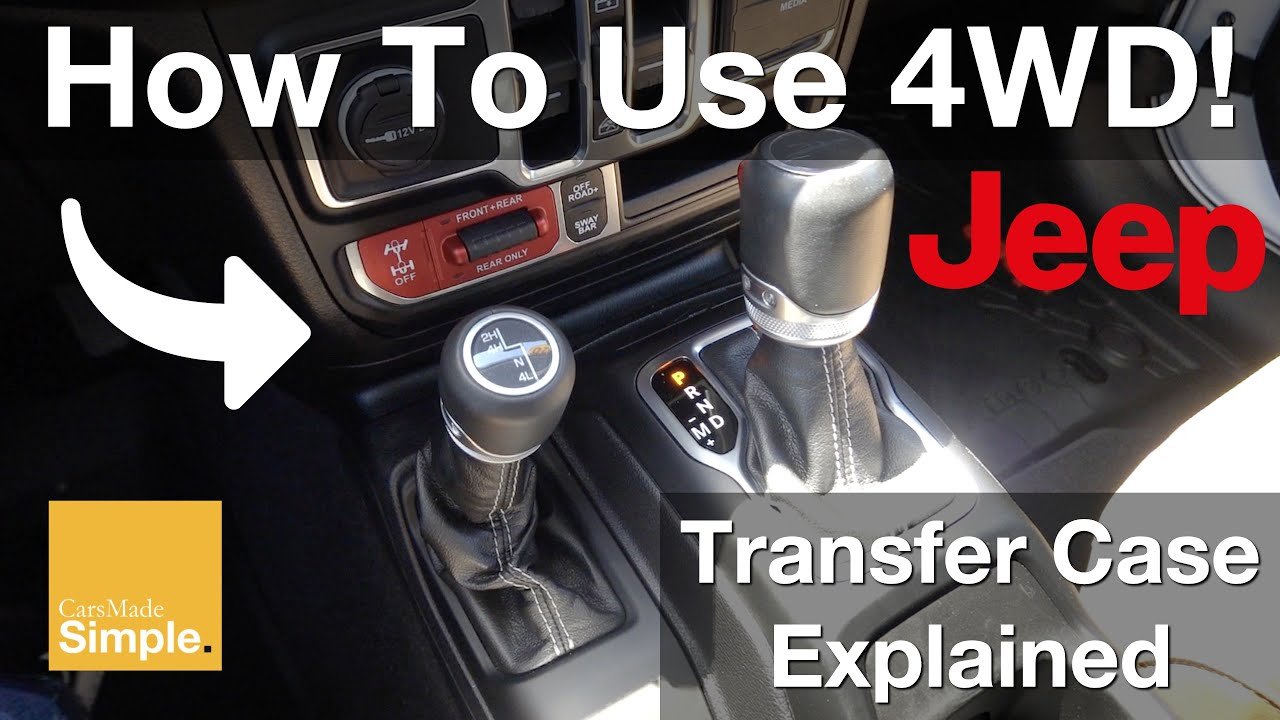
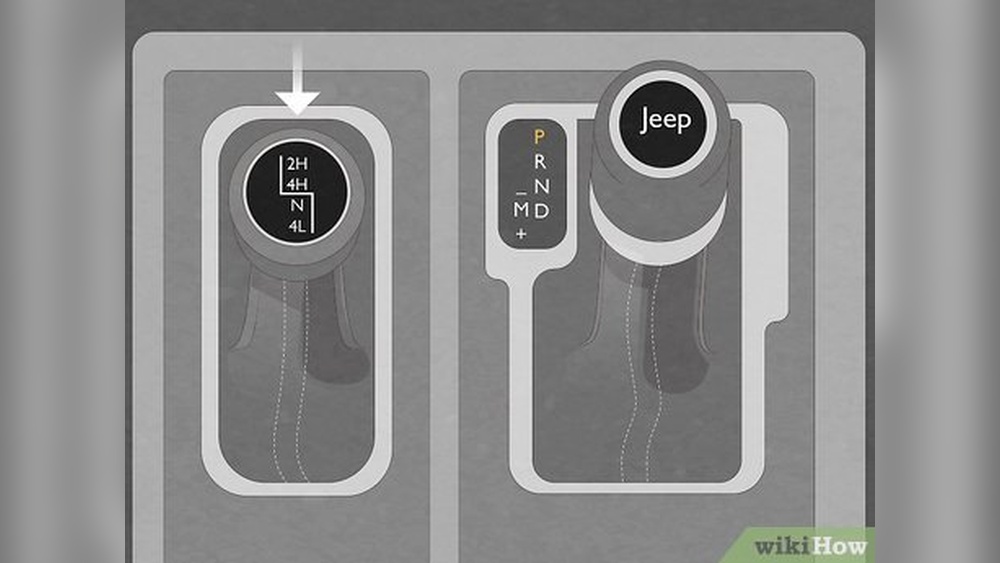
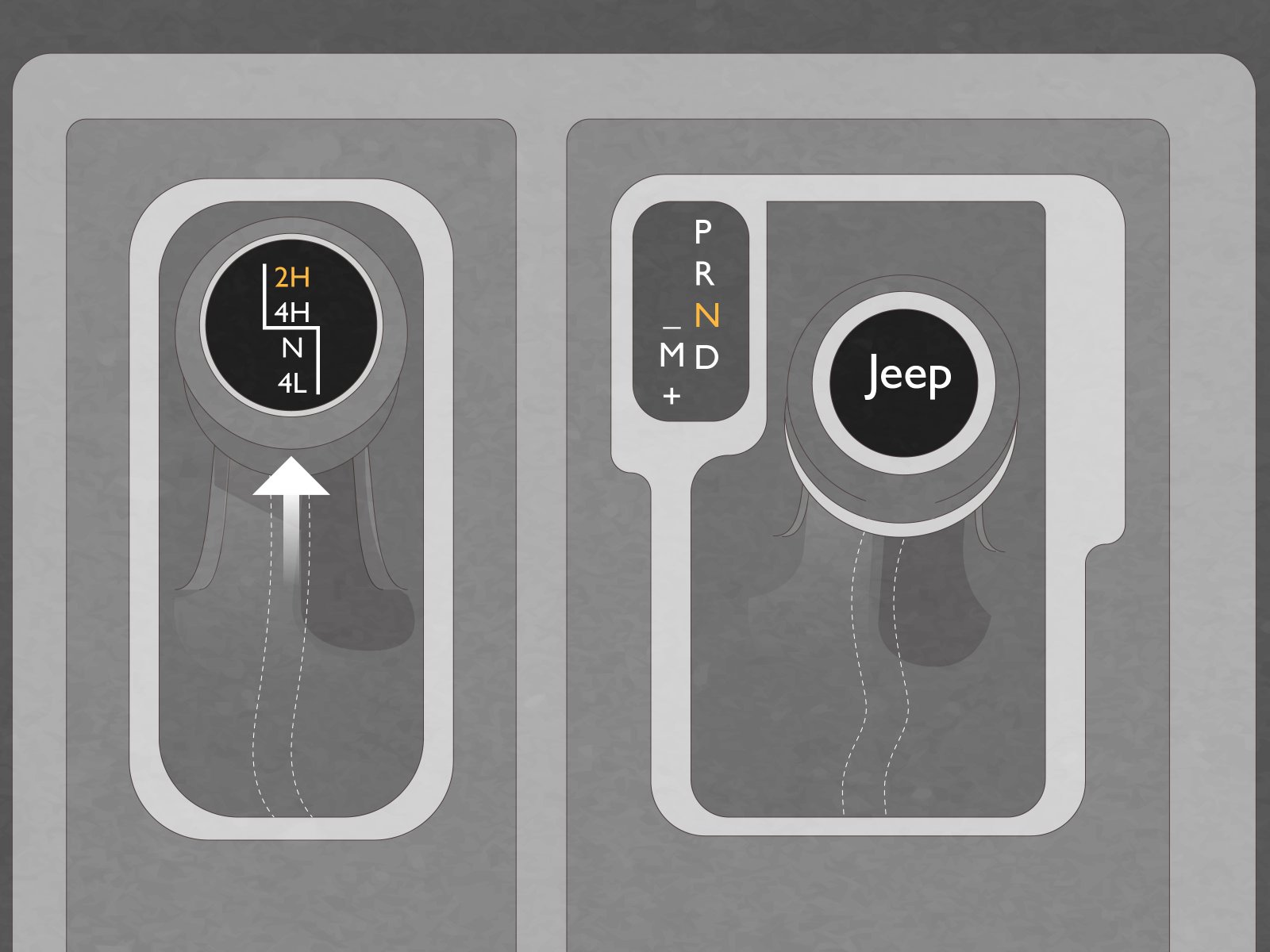
1. Using A Manual Transfer Case Lever
Older Jeep models like the Wrangler TJ have a manual transfer case lever. This lever is located next to the gear shifter. To engage 4WD:
- Stop the vehicle or drive under 45 mph.
- Press the brake pedal.
- Move the lever from 2H (2-wheel drive high) to 4H (4-wheel drive high).
- For tough terrain, shift into 4L (4-wheel drive low) by stopping the vehicle, shifting to neutral, then moving the lever.
Manual levers are robust and rarely fail. However, forcing the lever without slowing down can damage the transfer case.
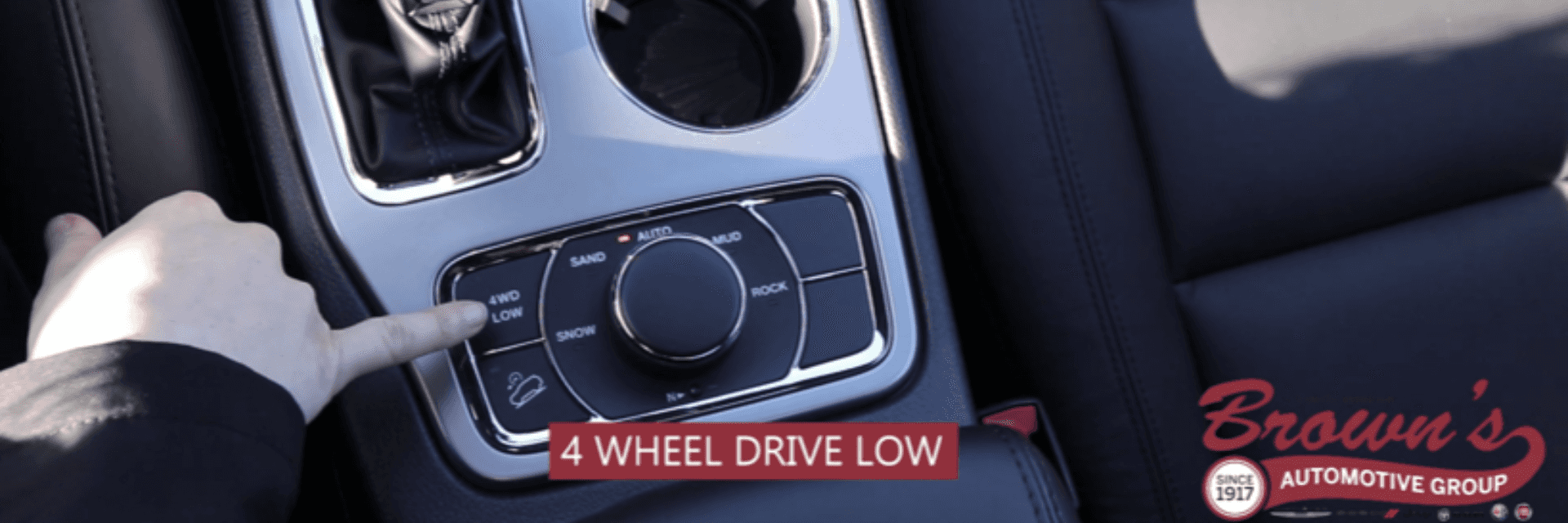
2. Using An Electronic Shift Knob
Modern Jeeps, such as the Grand Cherokee, use an electronic shift knob or switch. This system allows you to activate 4WD with a simple turn or push.
- Drive below 55 mph for safe engagement.
- Turn the knob or push the 4WD button.
- Wait for the dashboard light to confirm 4WD is active.
Electronic systems are faster but rely on sensors. If you see error messages, check your owner’s manual or visit a dealer.
3. Automatic 4wd Activation
Some Jeeps, like the Cherokee Trailhawk, have an automatic 4WD system. These systems monitor wheel slip and engage 4WD without driver input.
- No action is needed for normal driving.
- If you want extra traction for deep mud or snow, use the terrain management system to select a mode (such as “Snow” or “Mud”).
Automatic systems are convenient but may not react quickly in extreme situations. If you want full control, switch modes manually.
4. Engaging 4wd With A Touchscreen
Newer Jeep models, especially those with the Selec-Terrain system, allow you to engage 4WD using the vehicle’s touchscreen.
- Tap the “Drive Modes” menu on the screen.
- Select the desired mode: Auto, Snow, Sand/Mud, or Rock.
- The system adjusts power to each wheel as needed.
Touchscreen controls are easy to use but depend on electronics. If the screen freezes, you may need to restart the vehicle.
Comparing 4wd Engagement Methods
Each method has benefits and drawbacks. Here’s a quick comparison.
| Method | Speed Limit | Reliability | User Control |
|---|---|---|---|
| Manual Lever | Up to 45 mph | Very high | Full |
| Electronic Knob | Up to 55 mph | High | Moderate |
| Automatic | Any speed | Moderate | Low |
| Touchscreen | Any speed | Moderate | High |
Practical Tips And Non-obvious Insights
Many beginners miss key details when using 4WD:
- Always check your owner’s manual for specific instructions. Some models require you to be in neutral before shifting.
- Engage 4WD before you reach difficult terrain, not after you’re stuck.
- Avoid using 4WD on dry pavement. It can cause drivetrain binding and damage.
- For 4L (low range), stop the vehicle completely and shift to neutral. Attempting to shift on the move can harm your Jeep.
- If you hear grinding noises or feel resistance, stop immediately and check for problems.
Weather and road conditions change fast. Being proactive with 4WD improves safety and reduces repair costs.
Common Mistakes When Engaging 4wd
New Jeep owners often make these errors:
- Trying to engage 4L while driving.
- Using 4WD on dry roads.
- Ignoring dashboard warning lights.
- Not testing 4WD before trips.
Test your system regularly, especially before off-road adventures. If you experience issues, contact your dealer or refer to official sources like Jeep’s official website.
Frequently Asked Questions
How Do I Know My Jeep Is In 4 Wheel Drive?
Check for a dashboard light labeled “4WD” or “4×4.” You may also feel extra resistance in the steering or hear a change in sound from the drivetrain.
Can I Switch To 4wd While Driving?
You can shift into 4H at low speeds (usually under 55 mph). For 4L, always stop the vehicle, shift to neutral, and then engage low range.
Is It Safe To Use 4wd On Paved Roads?
No, using 4WD on dry pavement can cause drivetrain binding and damage. Only use 4WD on slippery, uneven, or loose surfaces.
What Should I Do If 4wd Won’t Engage?
Check your owner’s manual for troubleshooting steps. If the system fails, inspect fuses and sensors. For persistent issues, visit a Jeep dealer.
How Often Should I Use 4wd?
Use 4WD whenever you need extra traction—off-road, mud, snow, or sand. Regularly test your system to ensure it works when needed.
Learning to use your Jeep’s 4 wheel drive system is essential for safe and enjoyable driving. Whether you use a manual lever, electronic knob, automatic system, or touchscreen, always follow best practices and check your manual.
With these skills, you can tackle tough terrain and keep your Jeep running strong for years.