If you own a Jeep with a hardtop, you know removing and storing it can be a challenge. The hardtop is heavy, bulky, and needs a safe spot when not on your vehicle. Hanging your Jeep hardtop in your garage is one of the best ways to save space and protect it from damage. But how do you do this safely and efficiently? This article will guide you step-by-step, give you practical advice, and show data on the best methods. Whether you’re a Jeep beginner or have years of experience, you’ll find tips here to make the process smooth.
Why Hang Your Jeep Hardtop?
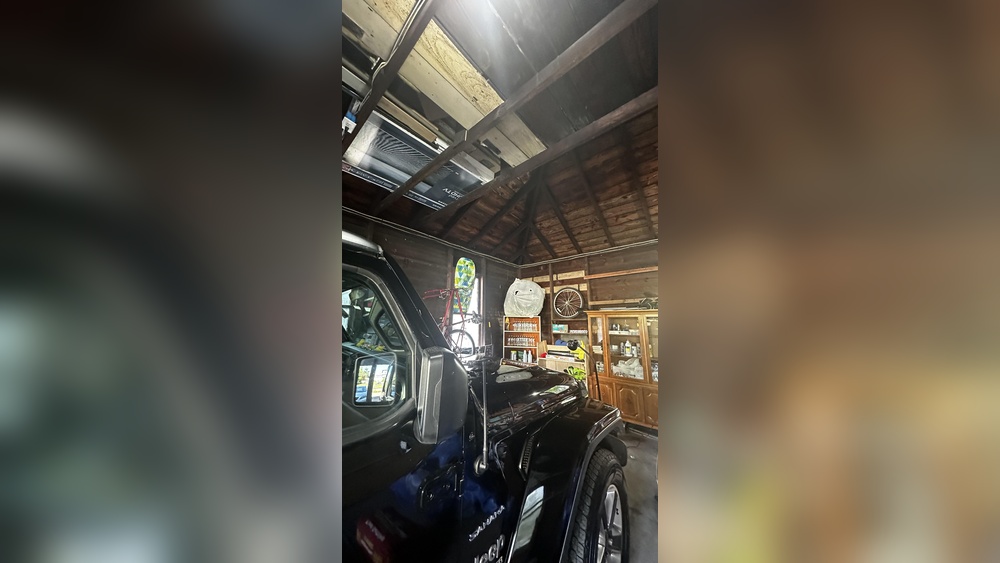
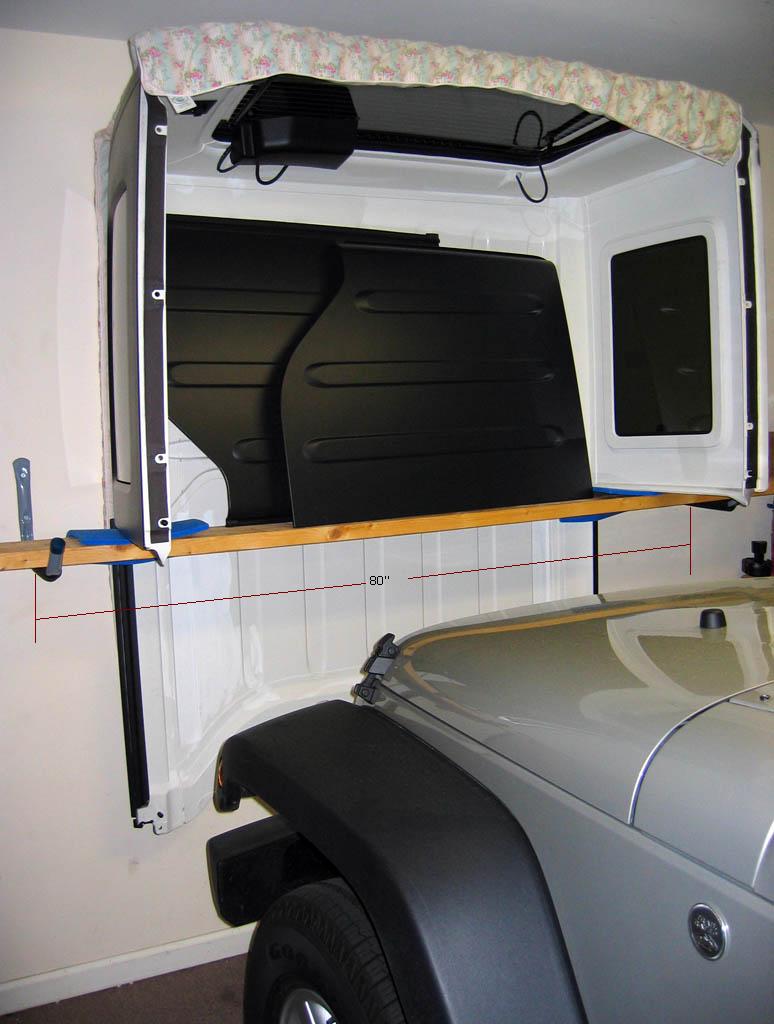
A Jeep hardtop can weigh between 80 and 150 pounds, depending on model and material. Storing it on the garage floor risks scratches, warping, and accidental damage. Hanging it keeps your floor clear, protects the top, and makes reinstalling easier. Compared to simply leaning it against a wall, hanging is safer and more convenient.
Space-saving Comparison
Here’s a quick look at storage options for a Jeep hardtop:
| Storage Method | Floor Space Used | Protection Level | Ease of Access |
|---|---|---|---|
| Hanging (Ceiling) | Minimal | High | Good |
| Wall Mount | Low | Medium | Moderate |
| Floor Stand | High | Low | Poor |
What You Need Before Starting
Before you begin, gather the right tools and hardware. Choosing the correct gear prevents accidents and makes the process easier.
Essential Supplies
- Pulley hoist system (rated for 200+ lbs)
- Ropes or straps (strong, non-abrasive)
- Heavy-duty eye bolts
- Drill and drill bits
- Stud finder
- Socket wrench
- Safety goggles and gloves
Some Jeep owners use manual pulley kits, while others prefer electric hoists. Manual systems are cheaper, but electric options are faster and reduce physical effort.
Safety Data
According to garage safety studies, using a proper hoist reduces risk of injury by up to 80% compared to lifting manually. Always check weight ratings on your gear.
Step-by-step: Hanging Your Jeep Hardtop
Follow these steps to hang your Jeep hardtop securely. Each step is important for safety and efficiency.
1. Choose The Right Location
Pick a spot in your garage where the hardtop won’t block doors or walkways. Make sure your ceiling has solid wooden joists—not just drywall. The joists must support the hardtop’s weight.
2. Install Eye Bolts
Use a stud finder to locate ceiling joists. Drill pilot holes and screw in heavy-duty eye bolts. Space them to match the dimensions of your hardtop (usually about 4 feet apart).
3. Set Up The Hoist System
Attach your pulley system to the eye bolts. Thread the ropes or straps through the pulleys. Make sure all hardware is tight and secure before moving on.
4. Prepare The Hardtop
Remove the hardtop from your Jeep using the recommended method for your model. Always have at least one helper. Place the straps under the hardtop, focusing on strong points—not fragile areas.
5. Lift The Hardtop
Using the pulley or hoist, slowly lift the hardtop. Go inch by inch, checking balance and stability. If you’re using a manual pulley, pull evenly. For electric hoists, keep a hand on the control switch and watch for any wobbling.
6. Secure The Hardtop
Once the hardtop is high enough, tie off the ropes or lock the hoist. Make sure the hardtop is not swinging or touching anything. Double-check all connections.
7. Test Stability
Gently push the hardtop to check for movement. If it wobbles, lower it and adjust the straps. Only leave it hanging if it is fully stable.
Common Mistakes To Avoid
- Using drywall anchors instead of joist-mounted eye bolts
- Forgetting to check weight limits
- Lifting too quickly without checking balance
- Hanging from weak parts of the hardtop
Choosing The Best Hoist System
There are many hoist kits on the market. Picking the right one depends on your budget and garage setup.
Hoist Type Comparison
| Hoist Type | Price Range | Ease of Use | Manual Effort |
|---|---|---|---|
| Manual Pulley | $80–$150 | Moderate | High |
| Electric Hoist | $250–$500 | Easy | Low |
| Custom DIY | $50–$120 | Varies | Varies |
Manual pulleys are reliable but require strength. Electric hoists are better for solo work but cost more. DIY setups can be cheap but often lack safety features.

Tips For Long-term Care
Protecting your hardtop is about more than just hanging it. Here are ways to keep it safe and looking new:
- Cover it with a soft, breathable sheet to prevent dust and scratches.
- Check the straps and pulleys every few months for wear.
- Keep the area under the hardtop clear in case it needs lowering quickly.
- Avoid storing the hardtop in areas with high humidity or temperature swings.
Non-obvious tip: If you have a painted hardtop, UV light from garage windows can fade the color. Use a UV-blocking cover for extra protection.
Real-life Example
Jeep owner Mike from Colorado uses a manual pulley system. He installed four eye bolts spaced 4 feet apart, and lifts his hardtop alone in under 10 minutes. He says checking strap placement is key—one wrong position can bend the hardtop’s edge.
He also uses a foam pad on the straps to prevent marks.

Frequently Asked Questions
How Much Weight Can My Garage Ceiling Support?
Most garage joists can hold 200–300 lbs if you use the right hardware. Always check your local building codes or ask a contractor for advice.
Can I Hang The Hardtop Alone?
It’s possible with an electric hoist, but safer with help. Manual hoists need at least two people. Never attempt to lift heavy parts solo.
Will Hanging Damage My Hardtop?
No, if you use wide straps and place them under strong points. Avoid thin ropes or sharp hooks, which can cause dents or scratches.
What Is The Best Hoist Kit For Beginners?
Many Jeep owners recommend the Harken Hoister. It’s easy to install and comes with safety features. Read reviews on Jeep’s official site before buying.
Do I Need To Cover The Hardtop While It’s Hanging?
Covering is smart, especially in dusty or sunny garages. A soft sheet or UV-blocking cover prevents fading and keeps the top clean.
Hanging your Jeep hardtop in the garage is a practical way to save space and protect your investment. With the right tools, careful planning, and regular checks, you can keep your hardtop safe for years. Take your time, follow each step, and enjoy the freedom of a clutter-free garage.