When you need to tow a Jeep Compass, you may feel nervous. Towing a modern SUV is not simple, and mistakes can lead to expensive repairs or even accidents. But if you follow the right steps and understand the basics, you can tow your Compass safely and with confidence. Whether you’re moving your vehicle after a breakdown, relocating, or planning a road trip with your Compass in tow, this guide will show you everything you need to know—without confusing jargon or risky shortcuts.
Understanding Jeep Compass Towing Basics
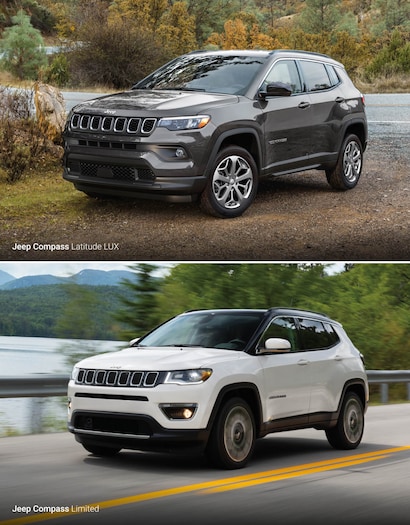
The Jeep Compass is a compact SUV with a curb weight of about 3,100–3,600 lbs, depending on the model and trim. Most Compass models are front-wheel drive or all-wheel drive. Knowing your vehicle’s drive type is critical, because it affects the safe towing method.
There are three main ways to tow a Compass:

- Flat towing (four wheels on the ground): Not recommended for most Compass models unless the manual says otherwise.
- Tow dolly (two wheels on the ground): Used for front-wheel-drive models, where front wheels are lifted.
- Trailer towing (all wheels off the ground): Safest for all Compass models, especially AWD.
Let’s compare these methods:
| Method | Drive Type | Suitable For Compass? | Risk Level |
|---|---|---|---|
| Flat Towing | FWD/AWD | Rarely (Check manual) | High |
| Tow Dolly | FWD | Yes | Medium |
| Trailer Towing | FWD/AWD | Yes | Low |
Tip: Always check your owner’s manual before deciding how to tow. Some Jeep Compass models cannot be flat towed without damaging the transmission.
Preparing Your Jeep Compass For Towing
Before towing, you must prepare your vehicle to prevent damage and ensure safety.
- Check Drive Type: Confirm if your Compass is FWD or AWD. This affects how you tow.
- Read Owner’s Manual: Find towing instructions specific to your model year.
- Inspect Tires & Brakes: Make sure tires are inflated and brakes are working.
- Remove Valuables: Take out any valuable items from the vehicle.
- Secure Loose Parts: Check that nothing is hanging or loose—like mirrors or antennas.
Here’s a quick comparison of towing preparations for FWD and AWD:
| Step | FWD Compass | AWD Compass |
|---|---|---|
| Use Tow Dolly? | Yes | No |
| Trailer Required? | Optional | Mandatory |
| Flat Tow Allowed? | Rarely | Almost never |
Insight: Many beginners forget to check if their Compass is AWD. Towing an AWD Compass with only two wheels off the ground can ruin the transmission.
How To Tow A Jeep Compass: Step-by-step
Using A Tow Dolly (front-wheel-drive Models)
- Position Dolly: Place dolly in front of the Compass.
- Drive Front Wheels Onto Dolly: Align wheels carefully.
- Secure Wheels: Use straps to lock wheels firmly.
- Attach Dolly to Tow Vehicle: Make sure hitch is secure.
- Check Lights: Connect dolly lights and test them.
Common mistake: Not tightening the straps enough—this can cause the wheels to slip.
Using A Trailer (all Models)
- Align Trailer: Make sure trailer is on level ground.
- Drive Compass Onto Trailer: Go slow, keeping wheels straight.
- Set Parking Brake: Once on the trailer, engage the brake.
- Secure With Straps: Strap all four wheels tightly.
- Attach Trailer to Tow Vehicle: Check the hitch and safety chains.
- Connect Trailer Lights: Test brake and turn signals.
Non-obvious tip: Use wheel chocks even after strapping. They add extra safety, especially on inclines.
Flat Towing (rare)
Some older Compass models may allow flat towing. Check the manual for steps. You’ll likely need to place the transmission in neutral and disconnect the driveshaft. If unsure, avoid flat towing.
Safety Tips And Legal Considerations
Towing is not just about moving a vehicle—it’s about doing it safely and legally. Here are key points:
- Speed Limit: Most states limit towing speed to 55–65 mph.
- Trailer Brakes: If your trailer weighs over 2,000 lbs, brakes are required in many areas.
- Insurance: Check if your policy covers towing accidents.
Here’s a look at common towing mistakes and their consequences:
| Mistake | Possible Outcome |
|---|---|
| Flat towing AWD Compass | Transmission failure |
| Ignoring manual | Warranty void |
| Poor strapping | Vehicle falls off trailer |
| Overloading trailer | Brake failure |
Hidden insight: Many people forget to notify their insurance before towing. If something goes wrong, you may not be covered.
Jeep Compass Towing Capacity
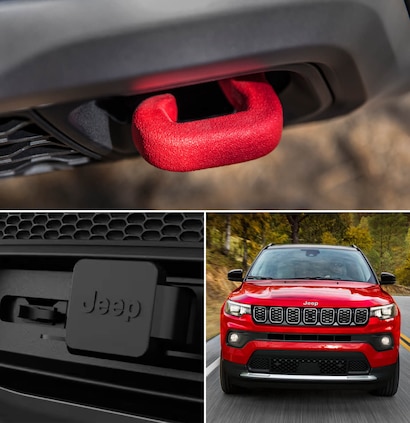
The Jeep Compass can tow up to 2,000 lbs with the right equipment. This is useful if you want to tow small trailers, but not another vehicle. If you are towing your Compass, always use a trailer rated for at least 4,000 lbs to handle the extra weight.
Example: If your trailer is rated at 3,500 lbs and your Compass weighs 3,300 lbs, you are too close to the limit. Always allow 15–20% extra capacity for safety.
Final Checks Before Towing
Double-check everything before you start:
- Straps and chains: Are they tight and secure?
- Lights and signals: Are they working?
- Tire pressure: Is it correct?
- Documents: Do you have registration and insurance?
Taking five extra minutes for a final inspection can prevent hours of trouble later.

Frequently Asked Questions
Is Flat Towing Safe For All Jeep Compass Models?
No. Most Compass models, especially AWD, should not be flat towed. Always check the manual for your specific year and trim.
Can I Use A Tow Dolly For My Awd Compass?
No. Using a tow dolly on an AWD Compass can damage the transmission. Always use a trailer for AWD models.
What Equipment Do I Need To Tow A Jeep Compass?
You’ll need a tow dolly (for FWD) or a car trailer (for all models), strong straps, a secure hitch, and working lights. Safety chains and wheel chocks are recommended.
How Do I Check If My Compass Is Fwd Or Awd?
Look in your owner’s manual or check the vehicle badge. You can also ask your dealer or check the VIN online.
Is Towing Covered By My Car Insurance?
Not always. You should contact your insurer and confirm coverage before towing. For more details, see this GEICO guide.
Towing your Jeep Compass doesn’t have to be stressful. With careful planning and the right equipment, you can protect your vehicle and yourself. Always follow the manufacturer’s guidance and double-check every step before starting your journey. If you feel uncertain, don’t hesitate to ask a professional for help.
Safe towing is about preparation, not luck.