Removing the hardtop from your 2016 Jeep Wrangler can transform your driving experience. Many owners love the open-air feeling during warm months, but taking off the hardtop isn’t always simple. This guide will walk you through the process, step by step, using clear language. You’ll learn about the tools needed, tips for safe removal, common mistakes, and how to store your hardtop properly. With the right approach, you can do this job safely and enjoy your Jeep even more.
Preparation: Tools And Setup
Before starting, gather these tools and supplies:
- Torx bit set (T40 is needed for most bolts)
- Ratchet wrench
- Soft cloth or towels (to protect surfaces)
- Step stool (helps if you’re not tall)
- Helpers (removing the hardtop is easier with two people)
- Storage cart or area (for your hardtop)
Make sure your Jeep is parked on a flat surface. If possible, work in a garage or shaded area to avoid sun exposure.

Step-by-step Hardtop Removal
Follow these steps to safely remove your 2016 Jeep Wrangler hardtop. The process usually takes 30–45 minutes for beginners.
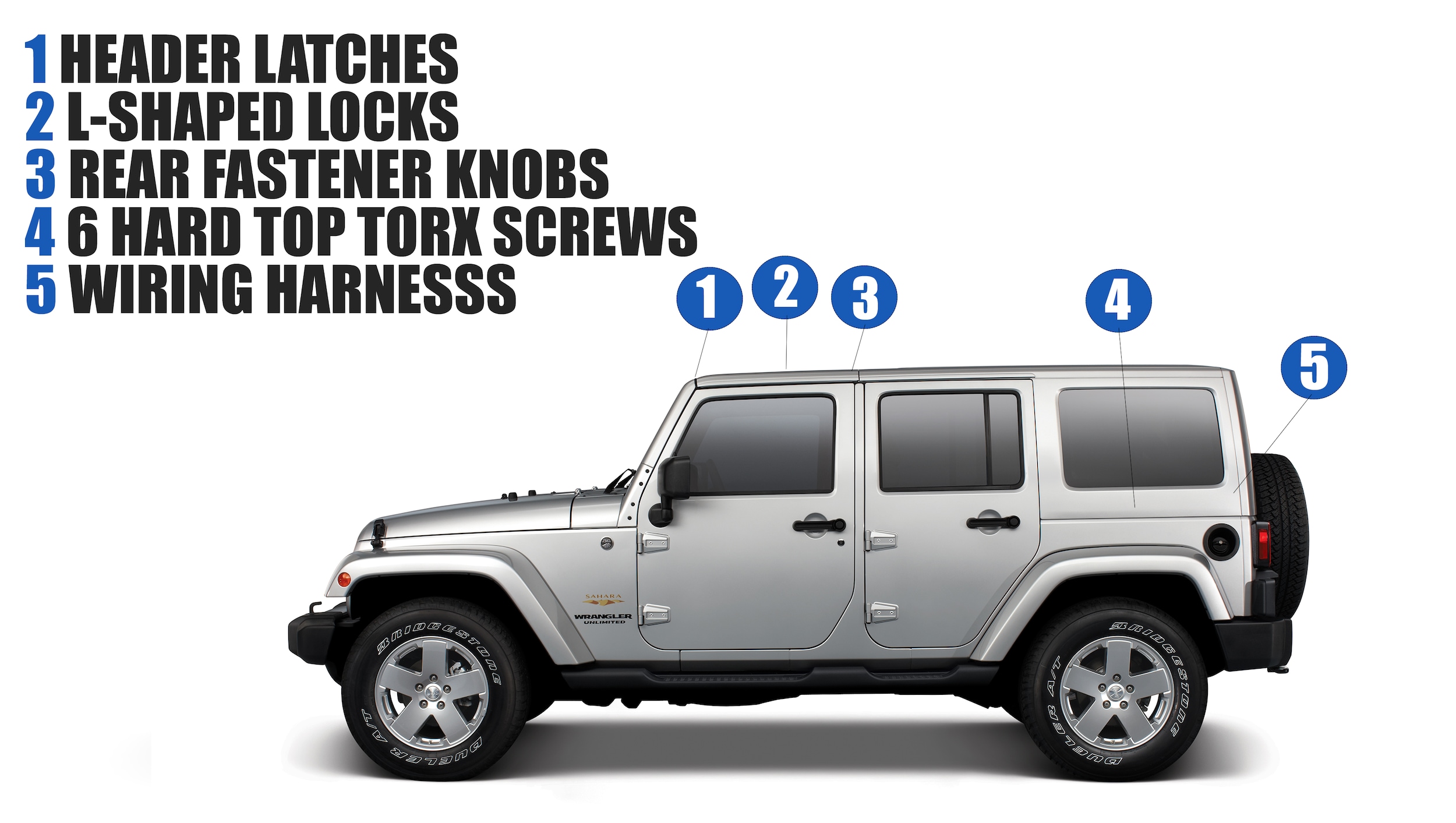
1. Remove Interior Panels And Hardware
Start inside your Jeep. Look for the freedom panels above the driver and passenger seats.
- Flip the latches holding the panels.
- Unscrew the two Torx bolts near the windshield.
- Lift off the panels and set them aside.
Next, locate the hardtop bolts:
- There are usually six Torx bolts along the rear sides and corners of the hardtop.
- Remove these bolts with your ratchet and Torx bit.
- Place bolts in a safe spot (small bag or cup).
2. Disconnect Wiring And Washer Hose
At the rear driver’s side, you’ll see two connections:
- Electrical plug (for rear defroster and wiper)
- Washer hose
Press the tab and unplug the electrical connector. Carefully pull off the washer hose. Lay both aside, away from pinch points.
3. Loosen And Remove The Hardtop
Check that all bolts and connections are removed. With a helper, gently lift the hardtop:
- Start at the rear, lifting upward.
- Walk the hardtop backward and off the Jeep.
- Avoid dragging or bumping the top against the body.
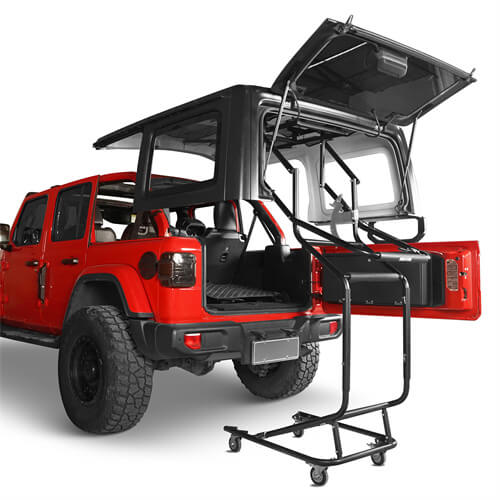
If you’re alone, consider using a hardtop hoist (available online and at Jeep shops). This tool makes solo removal safer.
Storage And Protection Tips
Storing your hardtop properly prevents scratches and warping:
- Place the hardtop on a soft surface (blanket, foam, or carpet).
- Avoid direct sunlight, which can fade paint and seals.
- Use a hardtop cart for easy movement.
- Cover the top with a sheet or tarp if stored outside.
Remember, the freedom panels are more fragile than the main top. Keep them in a padded area.
Common Mistakes And How To Avoid Them
Many Jeep owners face these issues during hardtop removal:
- Losing bolts: Use a labeled bag for storage.
- Forgetting to disconnect wires: Always double-check before lifting.
- Scratching paint: Use towels on sharp edges and corners.
- Lifting alone: Ask for help or use a hoist.
One non-obvious tip: Mark bolt locations with painter’s tape if you’re new to the process. This prevents confusion during reinstallation.

Comparison Of Hardtop Removal Versus Soft Top
Here’s a quick comparison to help you understand the difference between hardtop and soft top removal.
| Feature | Hardtop | Soft Top |
|---|---|---|
| Time Required | 30–45 min | 10–20 min |
| Tools Needed | Torx bits, ratchet | None/minimal |
| Weight | Heavy (70–90 lbs) | Light (30–40 lbs) |
| Helpers Needed | Recommended | Usually not |
| Storage | Large area | Small area |
Weather Impact After Removal
Removing your hardtop exposes you to weather changes. Here’s what to expect:
- Noise: The cabin will be louder, especially at highway speeds.
- Rain: You must reinstall the top or use a soft top if rain is expected.
- Temperature: Cold air enters quickly without a hardtop.
Many Jeep owners use a bikini top or sunshade for basic protection after removing the hardtop.
Example: Hardtop Removal Costs And Accessories
Accessories can make removal easier or safer. Here are average prices for popular items:
| Accessory | Average Cost (USD) | Purpose |
|---|---|---|
| Hardtop Hoist | $120–$300 | Solo removal/storage |
| Storage Cart | $90–$170 | Safe moving |
| Torx Bit Set | $15–$40 | Bolts removal |
| Weather Seals | $25–$50 | Prevent leaks |
Two Extra Tips Most People Miss
- When reinstalling, gently align the hardtop with the body before tightening bolts. This prevents leaks and wind noise.
- Use dielectric grease on the electrical connector. It keeps the contacts clean and avoids corrosion.
These tips help keep your Jeep in top shape and make future removal easier.
Frequently Asked Questions
How Many People Should Help With Hardtop Removal?
Two people are best. The hardtop is heavy and awkward to lift alone, so having a helper prevents damage and injury.
Can I Drive Without The Hardtop Installed?
Yes, but only if you have proper seat belts and doors. Check your local laws. Some states require at least a soft top for safety.
Is It Safe To Store The Hardtop Outside?
It’s possible but not ideal. Sun and rain can damage the top. Use a tarp and place it on a soft surface if you have no indoor space.
Will Removing The Hardtop Affect My Jeep’s Resale Value?
No, as long as you keep the hardtop in good condition. Buyers often prefer Wranglers with both tops and well-maintained accessories.
Where Can I Find More Detailed Instructions Or Official Guides?
Visit the official Jeep website or forums for model-specific guides. For example, Jeep Wrangler Official offers manuals and videos.
Removing the hardtop from your 2016 Jeep Wrangler opens up a new way to enjoy driving. With careful steps, the right tools, and a bit of patience, you can do it yourself. Always protect your top during storage and remember these tips for a smoother experience next time.