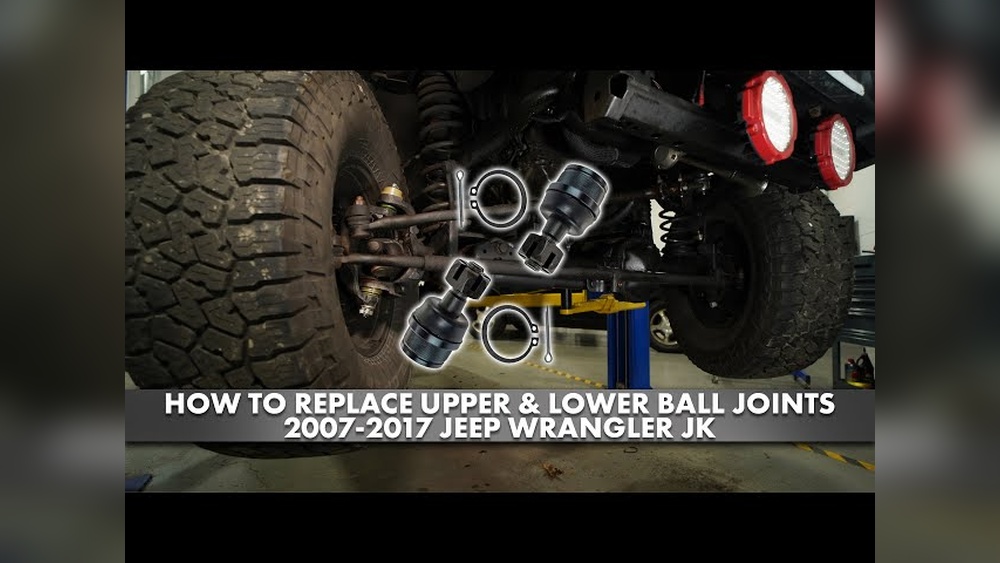
Replacing ball joints on a Jeep JK is a common task for off-road enthusiasts and anyone dealing with steering issues. This job is crucial for safe driving and keeping your Jeep in top shape. While it can seem intimidating, the process is manageable with the right tools and preparation. If your Jeep JK shows signs like uneven tire wear, clunking noises, or loose steering, it’s probably time to check your ball joints.
Understanding Ball Joints On Jeep Jk
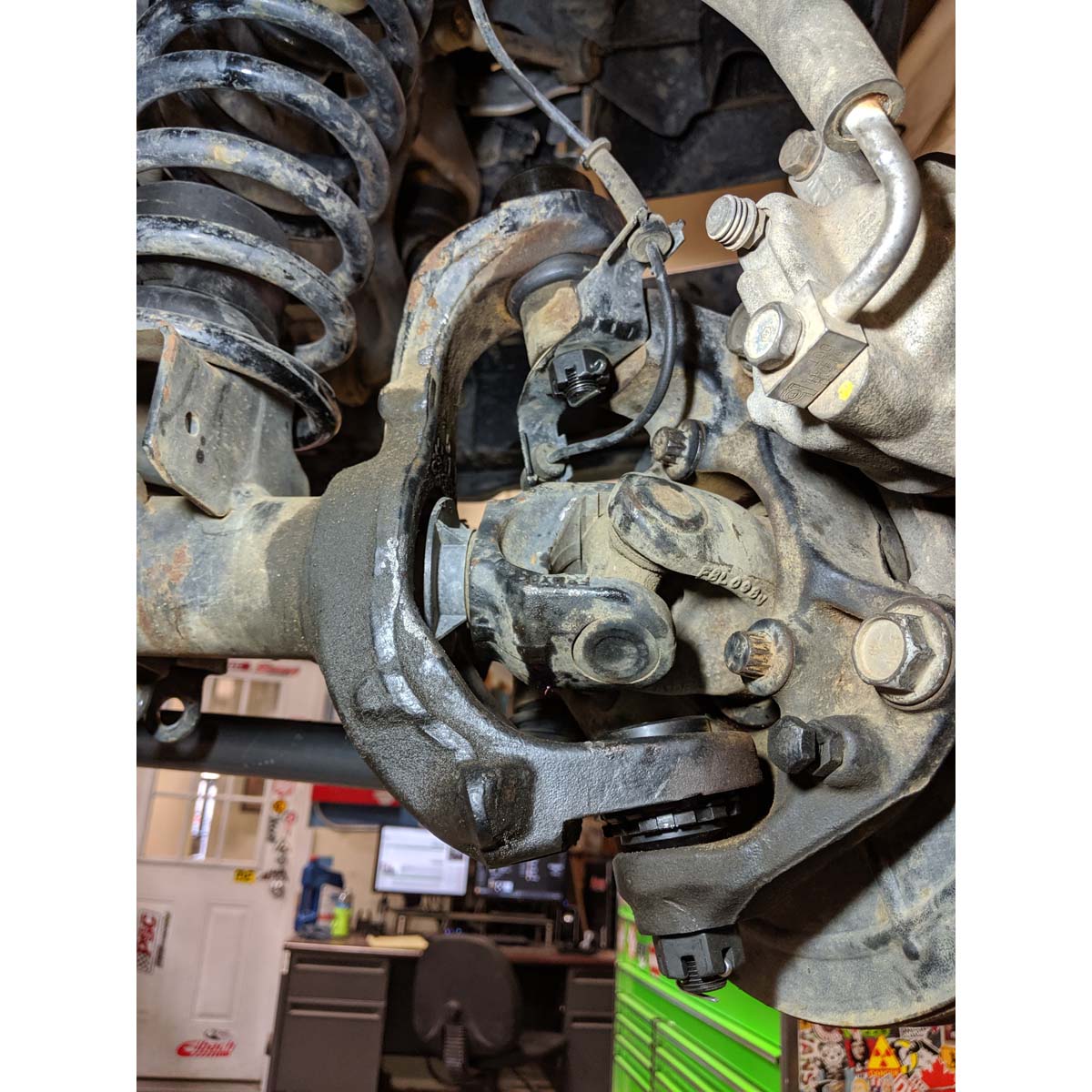
The ball joints connect your Jeep’s control arms to the steering knuckles, allowing smooth movement and steering. Jeep JK models are known for going off-road, which puts extra stress on these parts. Most JKs use two ball joints per wheel—an upper and a lower. Worn ball joints can cause wandering steering, shaking, and even dangerous loss of control.
Common Symptoms Of Bad Ball Joints
- Clunking sounds when turning or hitting bumps
- Uneven tire wear
- Loose or wandering steering
- Visible play in the wheel when lifted
Neglecting these symptoms can lead to expensive repairs or accidents.
Tools And Parts Needed
Before starting, gather these essential tools and parts:
- Socket set (metric and standard)
- Breaker bar
- Ball joint press tool
- Hammer
- Needle nose pliers
- Torque wrench
- Jack and jack stands
- Replacement ball joints (upper and lower)
- Grease gun
- Shop rags
For many Jeep JKs, Dana 30 or Dana 44 axles are common. Make sure your replacement parts match your axle type.
Typical Costs And Time
| Item | Estimated Cost | Time Needed |
|---|---|---|
| Ball Joint Kit (per axle) | $50–$150 | 2–4 hours |
| Ball Joint Press Rental | $0–$30 | — |
| Professional Labor | $300–$600 | — |

Step-by-step Ball Joint Replacement
Replacing ball joints is straightforward if you follow these steps carefully. Patience is key—rushing can damage parts or lead to mistakes.
1. Prepare Your Jeep
- Park on a level surface
- Engage the parking brake
- Loosen lug nuts, then lift the Jeep with a jack and secure it on stands
- Remove wheels
2. Remove Steering Knuckle
- Disconnect brake caliper and hang it safely
- Remove the axle shaft nut
- Unbolt the steering knuckle from the ball joints
3. Press Out Old Ball Joints
- Use a ball joint press tool
- Remove the upper ball joint first, then the lower
- Clean the knuckle and control arm areas
4. Install New Ball Joints
- Press in the new lower ball joint, followed by the upper
- Make sure they seat fully; listen for clicks or feel for resistance
- Some ball joints require extra grease before installation
5. Reassemble Components
- Reattach steering knuckle to ball joints
- Torque bolts to manufacturer specs (usually 70–90 ft-lbs for JK)
- Reinstall axle shaft, brake caliper, and wheels
6. Final Checks
- Double-check all bolts
- Lower the Jeep and torque lug nuts
- Use a grease gun to lubricate new ball joints
Common Mistakes To Avoid
- Forgetting to torque bolts properly
- Pressing in ball joints crookedly
- Skipping cleaning and greasing steps
Some beginners overlook cleaning the knuckle and control arm after removing old ball joints. This is important—dirt can cause new ball joints to fail early. Also, check your axle seals for leaks while everything is apart.
Comparing Ball Joint Brands
Choosing the right ball joints matters. Cheap parts can wear out fast, especially off-road. Here’s a comparison of popular brands for Jeep JK:
| Brand | Durability | Warranty | Price (set) |
|---|---|---|---|
| Moog | High | Lifetime | $110 |
| Teraflex | Very High | Limited | $140 |
| Omix-ADA | Medium | 1 Year | $75 |
If you go off-road often, choose heavy-duty ball joints. They cost more but last longer.

Alignment And Test Drive
After replacing ball joints, always get an alignment. Misalignment can cause new ball joints to wear quickly and affect steering. Drive slowly at first, checking for noises or steering issues. An alignment shop can check your work and spot any missed steps.
Practical Tips For Success
- Use penetrating oil on stuck bolts
- Take photos before disassembly for reference
- Replace both upper and lower ball joints, even if only one is bad
- Keep your workspace organized—small parts get lost easily
Many Jeep owners forget to check their torque specs after driving for a week. Always recheck torque after 100 miles to ensure safety.
Frequently Asked Questions
How Do I Know If My Jeep Jk Ball Joints Are Bad?
Look for clunking sounds, loose steering, and uneven tire wear. You can check by lifting the wheel and moving it side to side—if it moves, the ball joints may be worn.
Can I Replace Jeep Jk Ball Joints Without Special Tools?
A ball joint press is necessary for safe removal and installation. You can rent one from most auto parts stores.
How Long Should Jeep Jk Ball Joints Last?
On average, ball joints last 60,000–100,000 miles. Off-road driving can shorten their lifespan.
Is It Safe To Drive With Worn Ball Joints?
No. Worn ball joints can cause loss of steering control and lead to accidents. Replace them as soon as symptoms appear.
Where Can I Find Official Torque Specs For Jeep Jk Ball Joints?
You can find official specs in the Jeep JK service manual or from Jeep’s official site.
Replacing ball joints on your Jeep JK is a practical way to improve handling and safety. Take your time, use quality parts, and always check your work. With careful planning, most owners can complete this job in a weekend and enjoy a smoother, safer ride.