Every Jeep JK owner knows that gear ratio plays a big role in performance. If you’ve changed tires, added weight, or plan to tow, knowing your gear ratio helps you make smart choices. But many drivers aren’t sure how to find this number. This guide walks you through different ways to determine the gear ratio for your Jeep JK, explains why it matters, and helps you avoid common mistakes.
What Is Gear Ratio And Why Is It Important?
Gear ratio is the relationship between the number of teeth on the ring gear and the pinion gear inside your Jeep’s differential. It affects how your Jeep delivers power to the wheels. A higher ratio (like 4. 56) means more torque but less speed.
A lower ratio (like 3. 21) means higher speed but less torque.
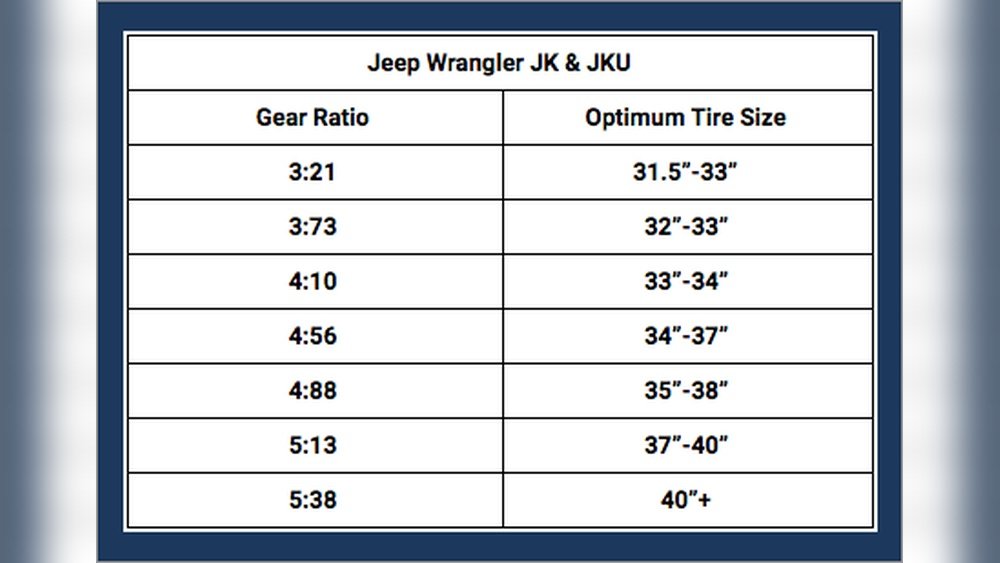
Changing tire size is the most common reason to check gear ratio. Bigger tires can make your Jeep feel slow and struggle on hills. Proper gear ratio helps maintain fuel economy, towing power, and acceleration.
Here’s a quick comparison of typical gear ratios for Jeep JK models:
| Gear Ratio | Torque | Fuel Economy | Top Speed |
|---|---|---|---|
| 3.21 | Lower | Better | Higher |
| 3.73 | Medium | Good | Medium |
| 4.10 | Higher | Lower | Lower |
| 4.56 | Highest | Lowest | Lowest |
Methods To Determine Gear Ratio On Jeep Jk
You don’t need special tools or deep mechanical knowledge to find your gear ratio. Let’s look at several practical ways.
1. Check The Factory Sticker
Most Jeep JKs have a factory sticker on the driver’s door or under the hood. This sticker lists key information, including gear ratio. Look for codes like “3.21,” “3.73,” or “4.10.” If you can’t find the sticker or it’s missing, try the next method.
2. Use The Vin (vehicle Identification Number)
The VIN is a unique code for your vehicle. You can use it to get detailed specs. Visit the official Jeep website or a trusted VIN decoder. Enter your VIN, and look for axle ratio or differential ratio in the results. Sometimes, the VIN will show a code instead of the actual ratio. If so, search that code online.
3. Count The Rotations
If you want to be sure, you can check physically. Here’s how:
- Lift one rear wheel off the ground safely.
- Mark the driveshaft with chalk or tape.
- Rotate the wheel exactly one turn, counting how many times the driveshaft spins.
- The number of driveshaft rotations equals your gear ratio. For example, if the driveshaft turns about 3.73 times, your ratio is 3.73.
This method is simple and works even if you’ve changed axles or gears.
4. Open The Differential Cover
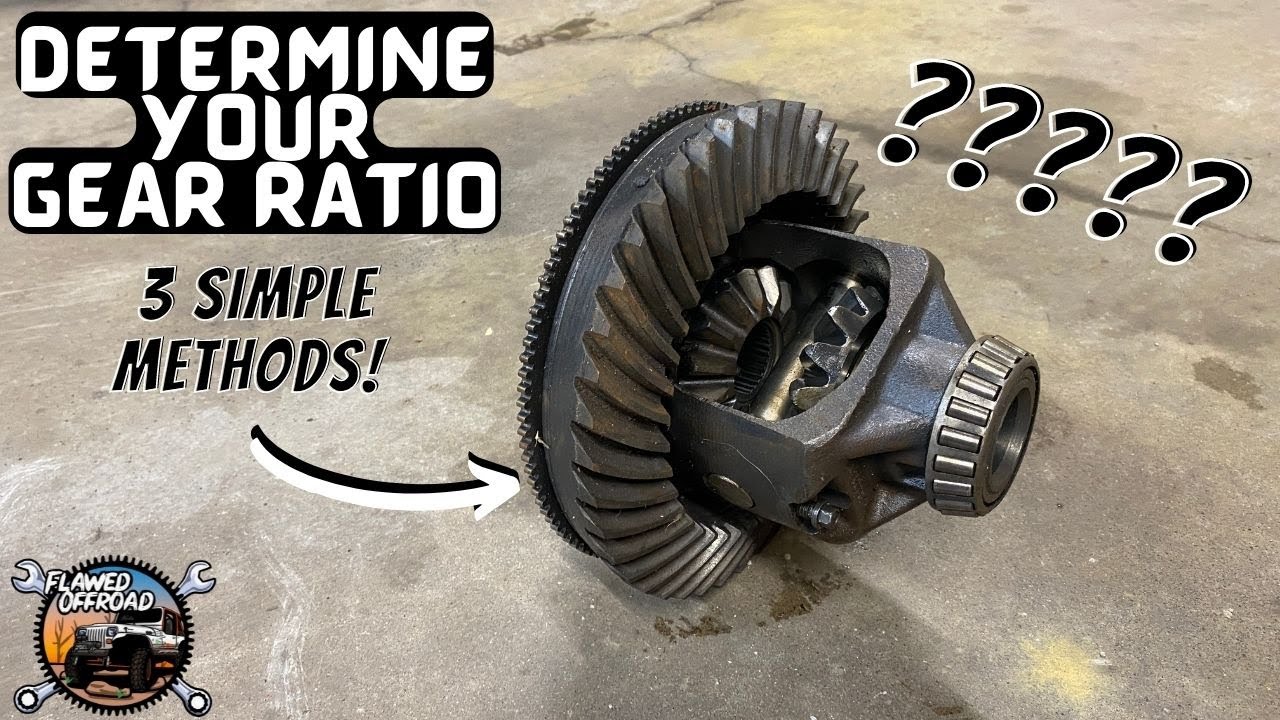
For the most accurate check, open the differential cover. Inside, the ring gear will have numbers stamped on it. You’ll see something like “41-11.” Divide the first number by the second: 41 ÷ 11 = 3.73.
This method is best if you suspect previous owners changed the gears. Be careful—opening the cover will release gear oil.

Common Mistakes When Checking Gear Ratio
Many Jeep JK owners make errors when searching for gear ratio. Avoid these mistakes:
- Trusting stickers only: Stickers can be faded, wrong, or missing, especially on older Jeeps.
- Ignoring previous upgrades: Used Jeeps may have gear swaps. Always check physically if unsure.
- Miscounting rotations: If both wheels are off the ground, the driveshaft spins differently. Always lift one wheel (if not using locking differentials).
- Forgetting tire size: Gear ratio affects performance most when tire size changes. If you upgrade tires, double-check your ratio.
When Should You Change Your Gear Ratio?
If your Jeep JK feels slow after adding larger tires, or if you tow heavy loads, changing the gear ratio can help. Here’s when most owners consider a swap:
- Tires larger than 33 inches
- Regular towing or hauling
- Mountain driving
- Seeking better off-road performance
Below is a table showing recommended gear ratios for different tire sizes:
| Tire Size (inches) | Recommended Gear Ratio | Notes |
|---|---|---|
| 31-33 | 3.73 | Stock or mild upgrade |
| 34-35 | 4.10 | Moderate upgrade |
| 36-37 | 4.56 | Heavy off-road/towing |
Real-world Example: Jeep Jk Performance
Let’s say you have a Jeep JK with 3.21 gears and install 35-inch tires. You may notice:
- Slower acceleration
- Lower fuel economy (up to 3 mpg less)
- Harder time climbing hills
If you switch to a 4. 10 gear ratio, you restore torque and get better response. Many owners report smoother driving and better control off-road.
Key Insights Beginners Miss
- Gear ratio affects speedometer accuracy. When you change tires or gears, your speedometer may show the wrong speed. You may need to recalibrate it.
- Gear ratio changes are expensive. Swapping gears often costs $1,000–$1,500. Plan ahead and choose the right ratio for your needs.
Frequently Asked Questions
What Happens If My Gear Ratio Is Wrong For My Tires?
A mismatched ratio makes your Jeep feel sluggish, use more fuel, and lose towing power. The engine works harder and may wear out faster.
Can I Use The Vin To Check Gear Ratio On All Jeep Jks?
Yes, but some older models may not show the ratio directly. If you get a code, search it online or check the differential for stamped numbers.
How Does Gear Ratio Affect Off-road Performance?
A higher gear ratio (like 4. 56) gives more torque, helping with steep climbs and rough trails. Lower ratios are better for highway cruising.
Is It Safe To Open The Differential Cover?
Yes, if you use proper tools and follow safety steps. Be ready for gear oil to spill and clean parts before closing.
Where Can I Learn More About Gear Ratios?
You can find detailed guides and calculators at Jeep Official Owners Site.
Finding your Jeep JK’s gear ratio is not hard once you know the steps. Whether you use the factory sticker, VIN, physical counting, or open the differential, each method helps you understand your Jeep better. Avoid common mistakes, and remember—gear ratio is key to performance, economy, and safety.
A little effort goes a long way in keeping your Jeep running strong.