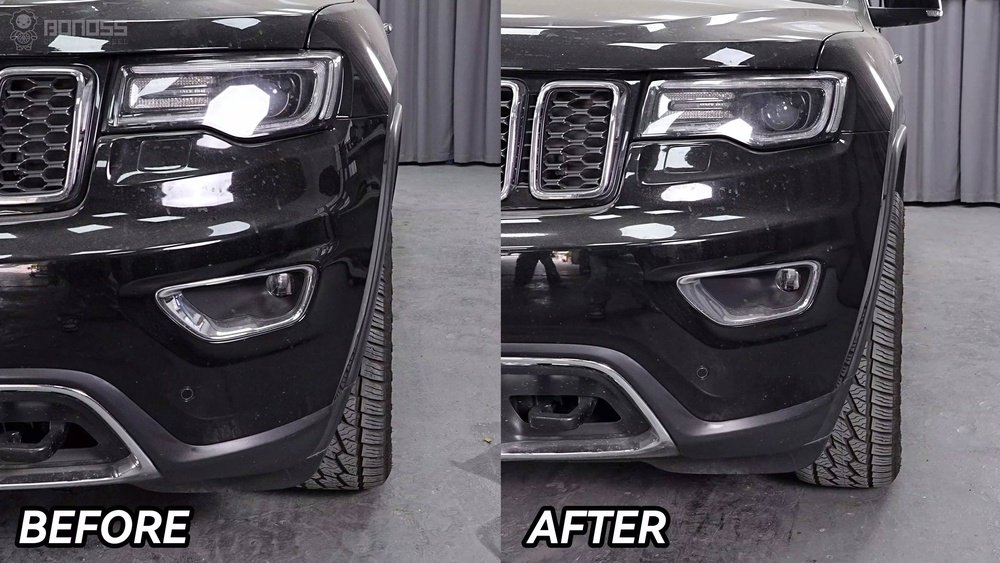
Measuring lift on your Jeep YJ is more than just guessing by eye. Whether you’ve just installed new suspension or you’re considering modifications, knowing the exact amount of lift is important. It affects tire size, ride quality, and handling. Many Jeep owners miss a few key details when measuring lift, so let’s break it down step by step.
Why Measuring Lift Matters
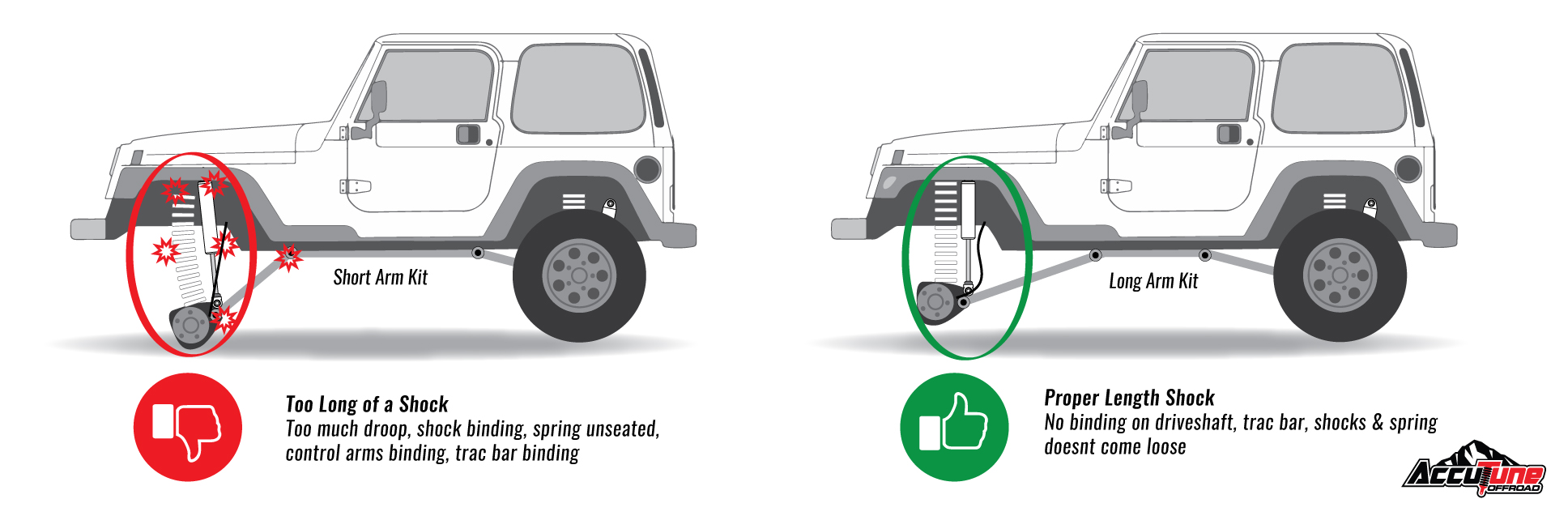
Lift height changes the way your Jeep YJ drives. It lets you fit bigger tires, adds ground clearance, and can affect steering. Manufacturers list lift kits as “2-inch lift” or “4-inch lift,” but those numbers are often rough estimates. Actual lift depends on your Jeep’s weight, age, and accessories.
Some owners measure from the ground to the fender. This seems simple but isn’t accurate because tire size and inflation change the reading. You need a method that removes those variables.
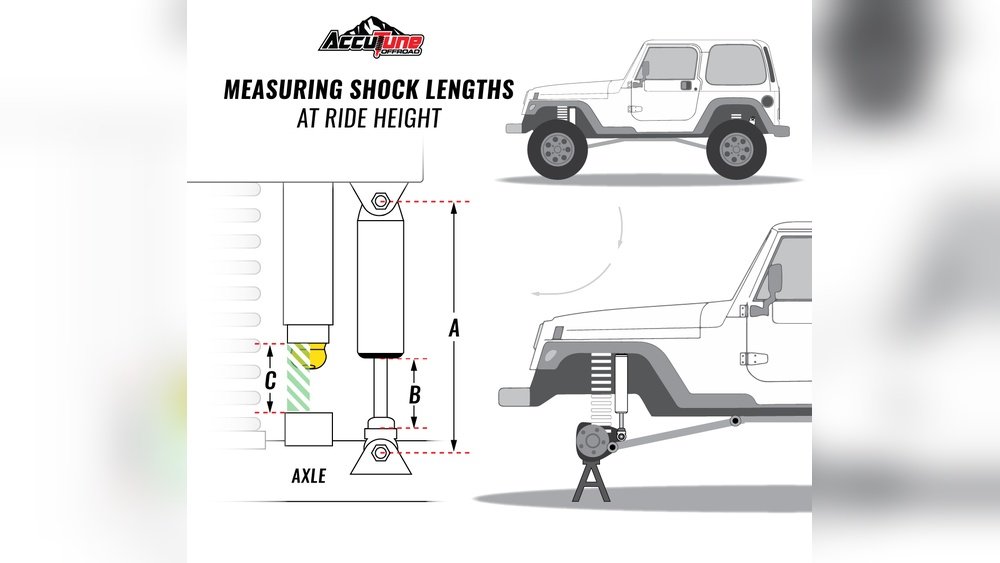
Tools And Data Needed
Before you start, gather these items:
- Tape measure (at least 36 inches)
- Jack and jack stands
- Notebook or phone for recording
- Stock reference measurements (factory ride height)
You’ll also need your Jeep parked on a flat surface. If possible, clean the area around the wheel wells so you can see the measuring points.
Step-by-step: Measuring Lift On Jeep Yj
1. Find The Factory Reference Points
Jeep YJ manuals list factory ride heights. These usually measure from the center of the axle to the bottom of the fender. If you don’t have the manual, you can find specs online or check with other YJ owners.
Typical factory measurements (with stock suspension and tires):
| Location | Factory Height (inches) |
|---|---|
| Front axle to fender | 17.5 |
| Rear axle to fender | 18.0 |
Write down these numbers. They are your baseline.
2. Measure Your Current Jeep Yj
Use your tape measure and follow these steps:
- Park Jeep on a level surface.
- Measure from the center of the wheel hub straight up to the bottom edge of the fender. Do this for all four wheels.
- Record each measurement.
Example:
| Location | Measured Height (inches) |
|---|---|
| Front left | 20.0 |
| Front right | 19.8 |
| Rear left | 21.2 |
| Rear right | 21.0 |
3. Calculate Actual Lift
Subtract the factory height from your measured height for each wheel.
Example:
- Front left: 20.0 – 17.5 = 2.5 inches lift
- Rear left: 21.2 – 18.0 = 3.2 inches lift
Repeat for all wheels. If the numbers are close, your lift is even. If not, you may have uneven suspension, worn parts, or extra weight.
Common Mistakes When Measuring Lift
Many beginners miss these points:
- Measuring from the ground: Changes with tire size and inflation.
- Ignoring uneven surfaces: Always use a flat area.
- Missing weight changes: Heavy bumpers, winches, or roof racks affect height.
- Not checking all four wheels: Suspension can settle unevenly.
If you have extra gear or modifications, note them. They can lower the lift amount compared to stock.
Comparing Lift Kit Types
Different lift kits affect your Jeep in different ways. Here’s a quick comparison:
| Lift Type | Typical Height (inches) | Ride Quality | Cost Range |
|---|---|---|---|
| Body Lift | 1–3 | Good | $100–$300 |
| Suspension Lift | 2–6 | Variable | $300–$1200 |
| Shackle Lift | 1–2 | Fair | $50–$150 |
Suspension lifts are the most popular for off-roading. Body lifts are cheaper but don’t increase ground clearance under the frame.
Practical Tips For Accurate Measurement
- Measure at the same points every time.
- Record all measurements so you can track changes.
- Re-check after driving: Suspension may settle after installation.
- Check for sag: Old springs can lower ride height over time.
If you’re unsure about factory specs, ask in Jeep forums or check the official service manual. Many owners share their numbers, which helps with accuracy.
Non-obvious Insights
- Weight Distribution: If you add heavy gear only to one side (like a spare tire or tools), lift can become uneven. Check both sides.
- Spring Wear: Even new springs can settle over weeks. Measure again after 100–200 miles.
- Aftermarket Fenders: If you change fenders, measurement points change. Use axle-to-frame as a backup.
When To Re-measure Your Lift
Measure your Jeep YJ’s lift:
- After installing new suspension or tires
- After adding heavy accessories
- If you notice uneven ride
- Every 6–12 months for regular tracking
Consistent measurement helps spot problems early, like spring sag or frame issues.
Real-world Example
Tom installed a 3-inch suspension lift on his Jeep YJ. After measuring, he found only 2.5 inches in the front and 2.8 inches in the rear. The difference was due to his heavy front bumper and winch. He realized he needed stiffer springs up front.
Many Jeep owners find the actual lift is less than kit specs, especially with added gear. Checking regularly helps you get the performance you expect.
Frequently Asked Questions
How Does Tire Size Affect Lift Measurement?
Tire size changes the ground-to-fender measurement but not the axle-to-fender measurement. Always measure from the center of the hub to the fender for accurate results.
Can I Use A Body Lift And Suspension Lift Together?
Yes, you can combine both. Many Jeep YJ owners use a 2-inch suspension lift with a 1-inch body lift for more clearance. Make sure to check compatibility and safety.
Why Is My Lift Uneven From Side To Side?
Uneven lift can be from weight imbalance, worn springs, or incorrect installation. Check your measurements, and inspect the suspension for damage or sag.
How Often Should I Check My Jeep Yj’s Lift?
Check lift after any major change, and at least once a year. If you off-road often, measure after hard trips to catch any suspension issues early.
Where Can I Find Jeep Yj Factory Ride Heights?
You can find factory specs in the service manual or on trusted Jeep forums. For official data, see Jeep’s official site.
Getting the exact lift measurement on your Jeep YJ takes a bit of effort, but it’s worth it. Accurate readings help you pick the right tires, spot suspension problems, and keep your Jeep running smooth. Measure carefully, track changes, and enjoy the benefits of knowing your Jeep’s real lift.