If your Jeep Cherokee’s ride feels rough or you hear clunking when going over bumps, the control arm bushings may be worn out. These bushings are small rubber pieces that connect the control arm to the vehicle frame. They absorb shocks and help keep your wheels stable. Replacing them can restore smooth handling and prevent more expensive repairs. You don’t need to be a pro mechanic, but you do need some patience and the right tools. This guide will walk you through the process, giving you practical advice and highlighting common mistakes first-timers often make.
What Are Control Arm Bushings?
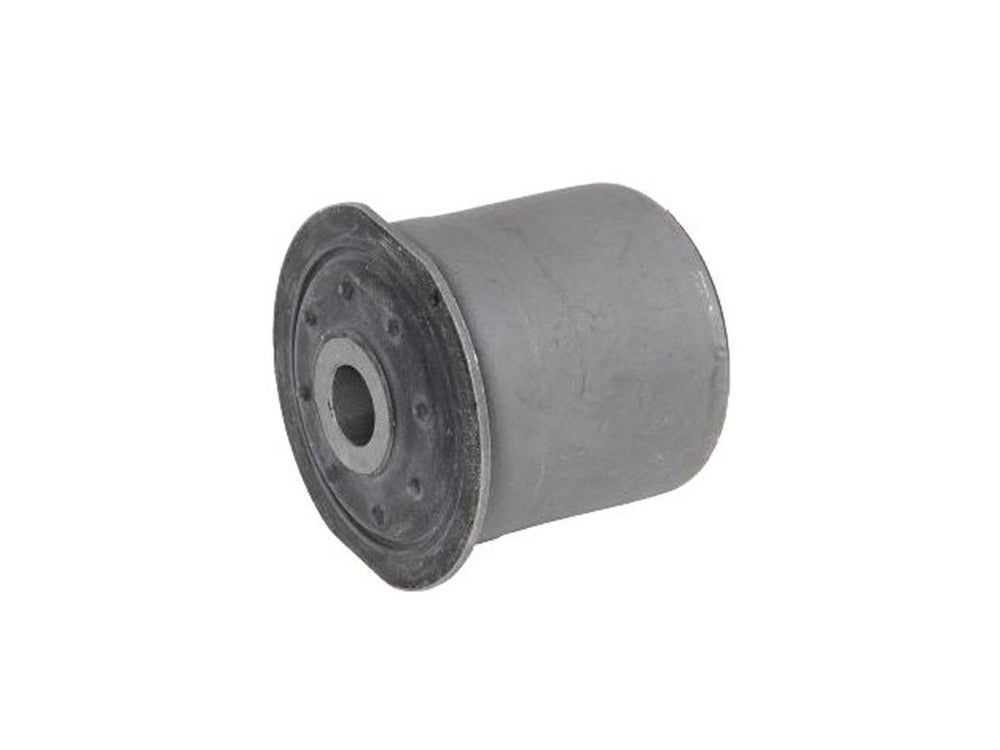
Control arm bushings are cylindrical rubber or polyurethane parts. They fit inside the ends of the control arms, isolating vibrations and keeping the suspension quiet. When they’re worn, you may notice:
- Vibration in the steering wheel
- Uneven tire wear
- Clunking or squeaking noises
- Poor alignment
Replacing bushings is much cheaper than replacing the whole control arm, especially for older Jeep Cherokees.
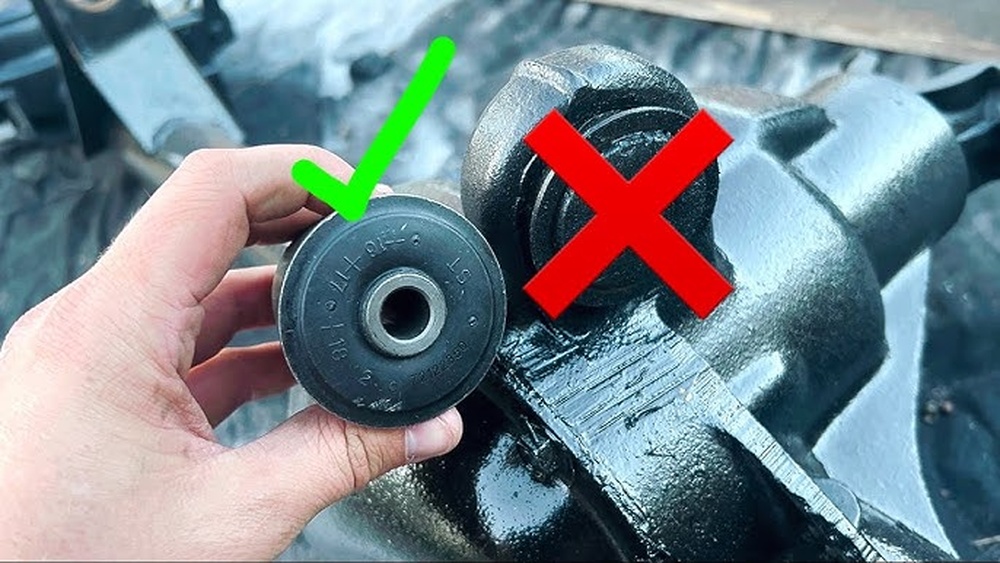
Tools And Parts You’ll Need
Before starting, gather all your tools and parts. Missing just one can stop your progress.
- Socket set (metric and standard sizes)
- Wrenches (ratcheting preferred)
- Breaker bar
- Ball joint separator
- Hammer
- Torque wrench
- Jack and jack stands
- Pry bar
- Replacement bushings (OEM or high-quality aftermarket)
- Grease or silicone spray
- Safety glasses and gloves
Some bushings need to be pressed in or out. If you don’t have a press, many auto parts stores will do this for a small fee.
Removing The Control Arm
- Lift the Jeep: Park on a flat surface. Use a jack to lift the front, then support with jack stands.
- Remove the wheel: This gives full access to the suspension.
- Unbolt the control arm: Remove the nuts and bolts holding the control arm to the frame and axle. You may need a breaker bar for stuck bolts.
- Free the ball joint: Use a ball joint separator. Do not hit the threads with a hammer directly.
- Take out the control arm: Wiggle it free. If it’s stuck, use a pry bar gently.
Here’s a quick comparison of bushing types you might consider for your Jeep Cherokee:
| Bushing Material | Pros | Cons |
|---|---|---|
| Rubber | Quiet, comfortable ride | Wears out faster |
| Polyurethane | Durable, performance handling | Can squeak, slightly firmer ride |
Removing Old Bushings
Removing old bushings can be the hardest part. They may be rusted or stuck.
- Inspect the control arm: Make sure it’s not cracked or bent. Replace if damaged.
- Press or cut out the bushings: Use a bushing press or a large vise. If you lack these, drill out the rubber and push out the shell with a hammer and punch.
- Clean the holes: Remove any rust or debris with a wire brush.
Pro tip: Some people burn out old bushings with a torch, but this is messy and can damage the arm. Only use as a last resort.

Installing New Bushings
- Lubricate the bushings: Use silicone spray or the grease supplied with the kit. This makes pressing easier and prevents squeaks.
- Align the bushings: Make sure they’re straight before pressing in. Crooked bushings can bind or wear out fast.
- Press in the new bushings: Use a bushing press, vise, or hammer and socket. Work slowly and check alignment often.
- Double-check: Confirm the bushings sit fully in the holes.
Here’s a summary of pressing vs. burning out bushings:
| Method | Time Needed | Messiness | Safety |
|---|---|---|---|
| Pressing | 30-60 minutes | Clean | Safe |
| Burning | 20-40 minutes | Messy | Risk of fire |
Reinstalling The Control Arm
- Position the control arm: Slide it back into place. Line up the bolt holes.
- Hand-tighten bolts: Don’t fully tighten yet. Let the vehicle’s weight settle before final torque.
- Reconnect the ball joint: Secure it with the nut, using a torque wrench to the manufacturer’s spec.
- Install the wheel: Hand-tighten lug nuts.
- Lower the Jeep: Remove jack stands and let the Jeep rest on the ground.
- Tighten all bolts: With the full weight on the suspension, torque all bolts to spec. This prevents bushing preload.
Here’s a quick reference for torque specs (always check your year/model):
| Component | Torque (ft-lbs) |
|---|---|
| Control Arm Bolts | 90-110 |
| Ball Joint Nut | 70-80 |
| Lug Nuts | 95-100 |
Final Steps And Tips
- Grease fittings if your bushings have them.
- Double-check all hardware after a short test drive.
- Get a professional alignment. New bushings may shift your alignment, leading to uneven tire wear.
- Old bushings can sometimes mask bigger issues like worn ball joints or cracked arms. Inspect everything during the job.
Two important insights: First, always tighten suspension bolts with the vehicle’s weight on the ground. This avoids twisting new bushings. Second, polyurethane bushings often need special grease to prevent squeaking—don’t skip it.
If you prefer a video walkthrough or need exact specs for your model, the Jeep official website offers manuals and support for various Cherokee years.
Replacing control arm bushings takes time and effort, but it’s a job many Jeep owners can tackle at home. The reward is a smoother, safer ride and often hundreds of dollars saved on labor costs.
Frequently Asked Questions
How Long Do Control Arm Bushings Last On A Jeep Cherokee?
Most control arm bushings last between 60,000 and 100,000 miles. Off-roading, harsh climates, or heavy towing can shorten their life.
Can I Replace Just The Bushings Or Do I Need The Whole Control Arm?
If the control arm is not bent or cracked, you can replace just the bushings. Many Jeep owners do this to save money.
How Do I Know If My Bushings Are Bad?
Common signs include clunking noises, uneven tire wear, vibration while driving, and poor alignment. A visual check will often show cracked or missing rubber.
Is A Wheel Alignment Necessary After Bushing Replacement?
Yes. Changing bushings can change your wheel alignment. Always get a professional alignment after replacing suspension parts.
Can I Drive My Jeep With Bad Control Arm Bushings?
It’s not safe. Worn bushings can lead to unstable steering and increased wear on other suspension parts. Replace them as soon as possible for safety.
Replacing control arm bushings on your Jeep Cherokee is one of those jobs that pays off in better handling and peace of mind. With the right tools and some patience, you can do it yourself and feel proud of the result.