If you just got your new 2024 Jeep Wrangler, you might be confused about how to open the hood. Modern Wranglers keep their classic design, but there are small changes every year, and the hood latches can feel a bit tricky if you’re not used to them. Opening the hood is something every Jeep owner should know—whether you’re checking the oil, topping up windshield fluid, or just exploring the engine. This guide will show you each step, offer useful tips, and help you avoid the mistakes many beginners make.
Understanding The Jeep Wrangler Hood System
The Jeep Wrangler uses an old-school but effective hood latch system. Unlike many cars that have just an interior release, Wranglers use both external latches and an interior safety catch. This makes the hood more secure when you’re driving on rough roads. Here’s a quick comparison of Wrangler’s hood system with other vehicles:
| Vehicle | Primary Hood Release | Secondary Latch | Exterior Latches |
|---|---|---|---|
| Jeep Wrangler 2024 | Interior Lever | Manual Latch | Both Sides |
| Ford Bronco | Interior Lever | Manual Latch | None |
| Toyota 4Runner | Interior Lever | Manual Latch | None |
One common mistake is forgetting the external latches. Many first-time Jeep owners only pull the interior lever, then wonder why the hood won’t open.
Step-by-step: How To Open The 2024 Jeep Wrangler Hood
Follow these steps to open your Wrangler’s hood safely and quickly:
1. Park And Secure The Vehicle
Always put the transmission in Park and set the parking brake. This keeps the Jeep from moving while you work.
2. Locate The Exterior Hood Latches
Stand in front of the Jeep. You’ll see two rubber latches—one on each side near the edge of the hood.
3. Release Both Hood Latches
Pull each latch away from the hood. They’re tight for safety, so use a firm grip. Some owners find the latches stiff at first, especially in cold weather.
4. Find The Interior Hood Release Lever
Move to the driver’s seat. Look under the dashboard, to the left of the pedals. You’ll find a small black lever with a hood icon.
5. Pull The Interior Lever
Pull the lever—you should hear a click. This releases the main hood catch.
6. Lift The Hood Slightly
Go back to the front. Gently lift the hood a few inches. You’ll feel resistance from the safety latch.
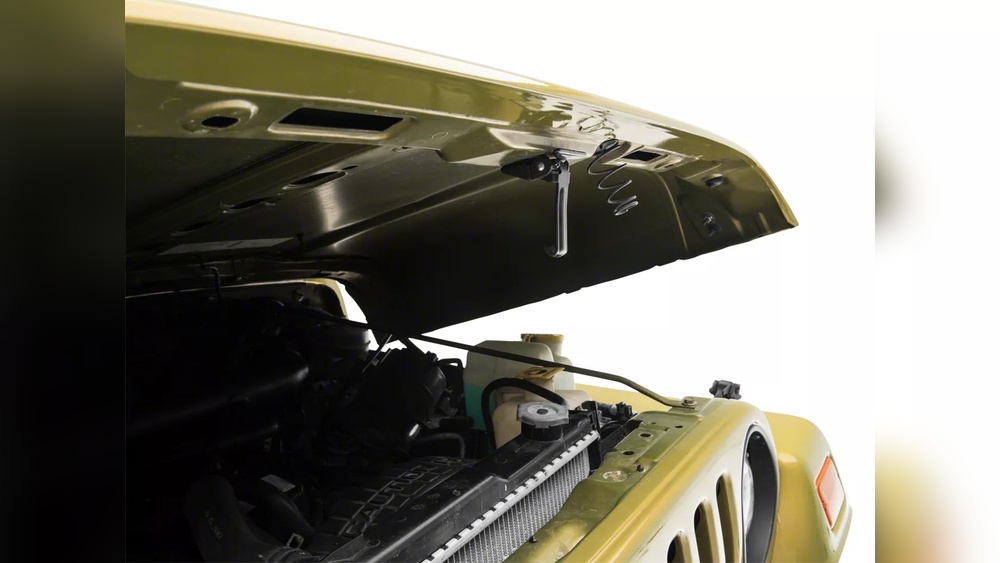
7. Release The Safety Latch
Slide your hand under the center of the hood’s front edge. You’ll find a small metal lever. Push it to the left (driver side) while lifting the hood fully.
8. Secure The Hood
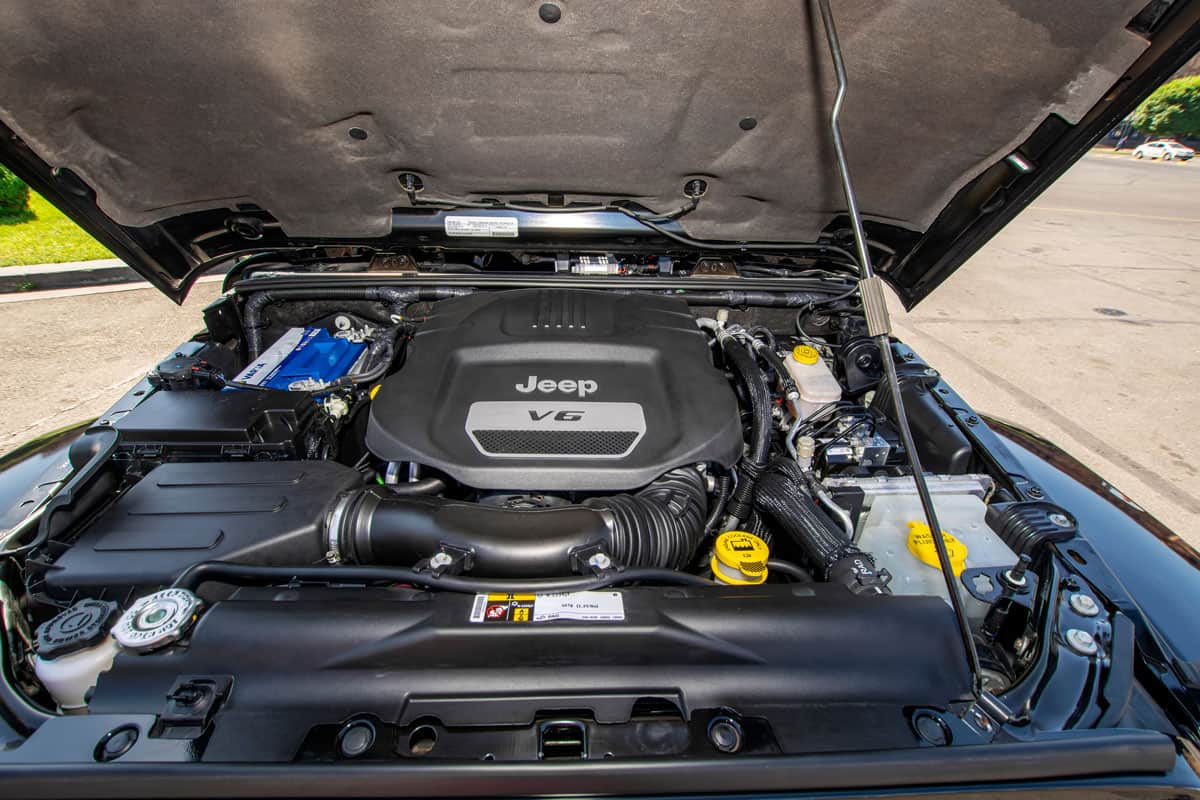
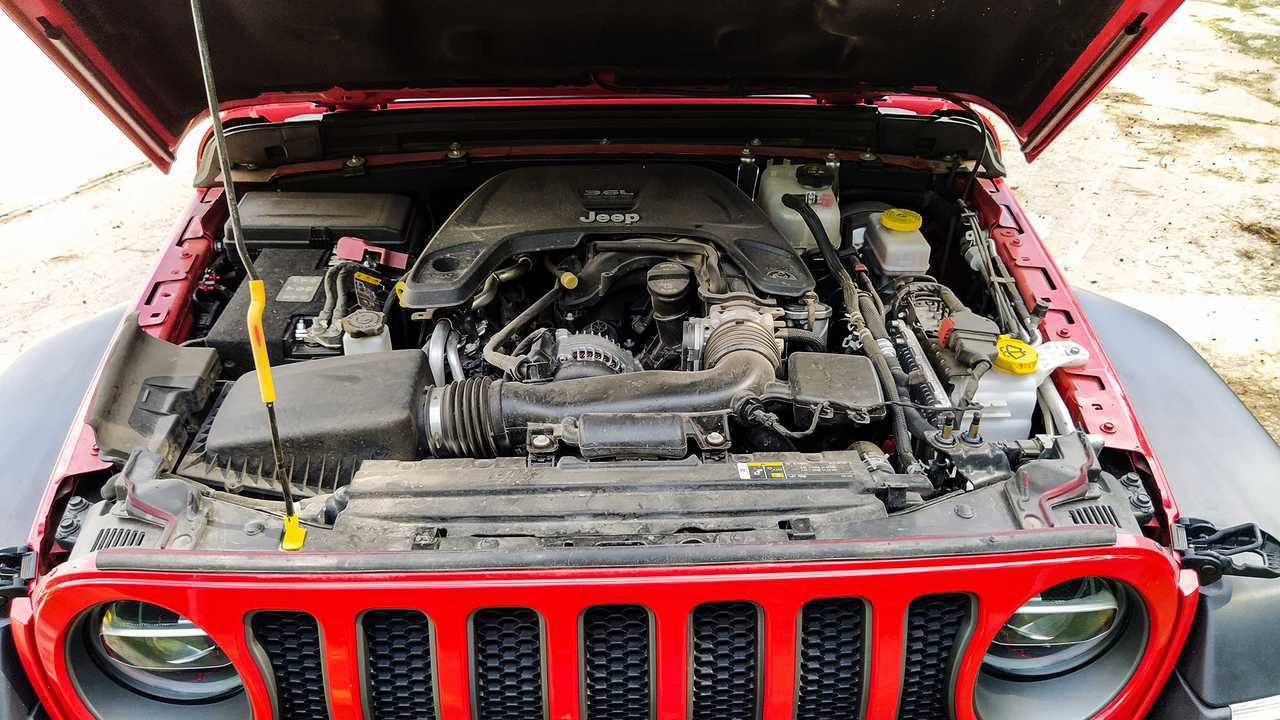
The 2024 Wrangler uses a prop rod to hold the hood open. Find it on the passenger side of the engine bay, swing it up, and fit it into the slot under the hood.
Here’s a summary of the above steps for quick reference:
| Step | Action | Where |
|---|---|---|
| 1 | Park and brake | Driver’s seat |
| 2 | Release exterior latches | Front of vehicle |
| 3 | Pull interior lever | Driver’s footwell |
| 4 | Release safety latch | Under hood |
| 5 | Use prop rod | Engine bay |
Practical Tips And Common Mistakes
Opening the hood is simple, but these extra tips can make it even easier:
- Don’t force the latches. If they’re stuck, wiggle gently or check for ice or dirt.
- Always open both exterior latches. Forgetting one is the most common issue for beginners.
- Do not slam the hood shut. Lower it gently, then press down until you hear it click.
- Check for loose items. If you leave tools near the prop rod, you might dent the hood when closing.
- Lubricate latches once a year. A little silicone spray keeps the rubber and metal parts moving smoothly.
Beginners often miss the safety latch. They lift the hood and get stuck, thinking something is broken. Remember, the safety latch is there for extra security.
When The Hood Won’t Open: Troubleshooting
Sometimes, the hood just won’t budge. Here’s what to check:
- Latch Stuck: Dirt or rust can freeze the exterior latches. Clean them and spray with silicone lubricant.
- Interior Lever Loose: If the lever feels soft, the cable might be broken. Do not force it—this can make it worse.
- Safety Latch Jammed: Try gently pressing down on the hood while moving the latch.
- Frozen Latches: In cold weather, warm the latches with your hand or use a de-icer spray.
If all else fails, visit a certified Jeep dealer for help. Forcing the hood can bend the metal or break the latches, leading to costly repairs.
Safety Precautions
Working under the hood means being careful:
- Never open the hood after driving if you see steam or smoke—let the engine cool.
- Keep your hands clear of the fan and belts, especially if the engine is running.
- Make sure the hood is securely propped open before working.
- Always double-check that the hood is latched before driving.
Benefits Of Knowing How To Open The Hood
Learning this skill helps you:
- Check oil, coolant, and other fluids regularly.
- Spot leaks or worn parts before they become serious problems.
- Save money on simple maintenance.
- Respond quickly in emergencies.
A little confidence with your Wrangler’s hood can save you from bigger troubles down the road.

Frequently Asked Questions
How Often Should I Open The Hood To Check Fluids?
Check your engine oil and coolant at least once a month. If you drive in harsh conditions, check more often. Regular checks help prevent engine damage.
What If The Hood Won’t Close Or Latch Securely?
Make sure there’s nothing blocking the latch, like a dropped tool or rag. If the hood still won’t close, the latch may need adjustment or cleaning. Visit your dealer if you’re unsure.
Can I Open The Wrangler’s Hood In Very Cold Weather?
Yes, but latches may be stiff if frozen. Warm them gently with your hands or use de-icer spray. Forcing frozen latches can damage the rubber.
Is It Safe To Open The Hood After Off-roading?
Always check for mud or debris around the latches before opening. Clean off any dirt to avoid jamming or scratching the paint.
Where Can I Find The Official Jeep Wrangler Owner’s Manual?
You can find the manual at the official Jeep website: Jeep Owner’s Manuals. The manual has diagrams and more details for your specific model.
Opening your 2024 Jeep Wrangler hood is a basic but essential skill. With these steps and tips, you’ll be able to access your engine safely and confidently, making regular maintenance much easier.