Turning on your Jeep Wrangler headlights seems simple, but there’s more to it than most drivers realize. Whether you’re new to Jeep ownership or just want to avoid mistakes, this guide breaks down every step, explains key features, and shares smart tips. Understanding your headlight controls can improve your safety, help you avoid battery drain, and keep your Jeep ready for night adventures. Let’s look at how to operate your Wrangler’s headlights with confidence.
Finding The Headlight Controls
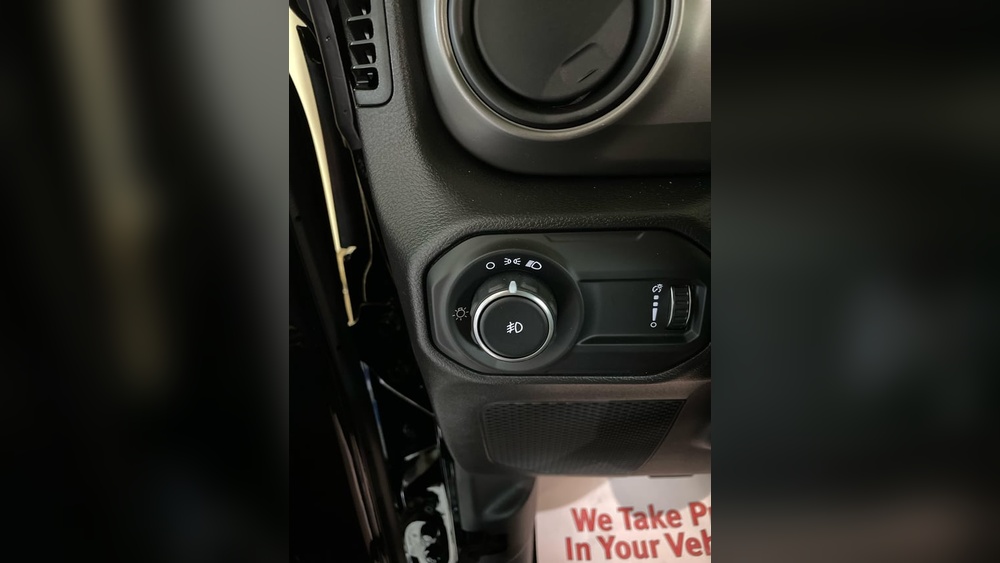
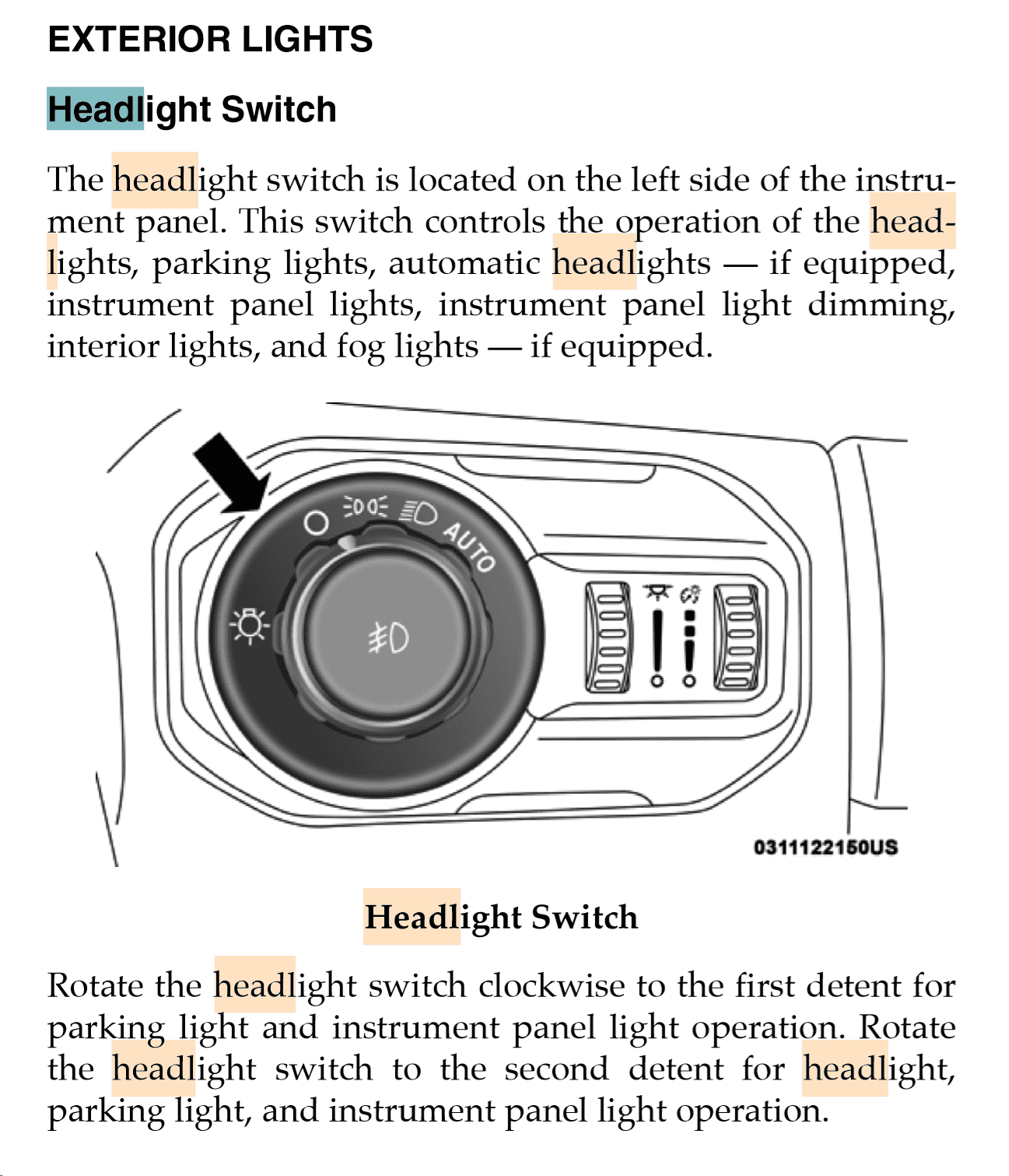
The headlight switch is usually located on the left side of your Jeep’s steering wheel. For most recent models (2018 and newer), it’s a rotary knob. Older Wranglers (TJ, YJ, JK) may use a pull switch or lever. Understanding the layout is the first step:
- Rotary knob: Twist clockwise for different light modes.
- Pull switch/lever: Pull outwards for headlights, push in for off.
Here’s a quick comparison of control types by Jeep Wrangler generation:
| Model Year | Headlight Switch Type | Location |
|---|---|---|
| 2018–present (JL) | Rotary knob | Left dashboard |
| 2007–2017 (JK) | Pull switch | Left dashboard |
| 1997–2006 (TJ) | Lever | Steering column |
Turning On Jeep Wrangler Headlights: Step-by-step
Activating your headlights is quick, but there are a few options to know. Here’s how to do it, step by step.
- Locate the switch: Check the left side of your dashboard or steering column.
- Choose the mode: The knob or switch usually has several positions:
- Off: No lights
- Parking lights: Only small lights, not good for night driving
- Headlights: Main front lights
- Auto (if equipped): Turns lights on/off automatically
- Turn the knob or pull the switch: Rotate or pull until you feel a click. The headlights should come on.
- Check the indicator: A light on your dashboard shows if the headlights are on. It looks like a small lamp symbol.
For automatic headlights, the system uses light sensors. If you set the switch to “auto,” the headlights turn on when it gets dark. This feature is found on most JL models.
Common Headlight Modes
Your Jeep Wrangler usually offers several lighting options. Here’s a simple table to compare them:
| Mode | When to Use | How to Activate |
|---|---|---|
| Off | Daytime, parked | Switch set to Off |
| Parking lights | Dusk, short stops | First position |
| Headlights | Night driving | Second position or full pull |
| Auto | Changing light conditions | Set to Auto |
Using High Beams And Fog Lights
Knowing how to use high beams and fog lights is important for safety. High beams provide extra brightness for rural or dark roads. Fog lights cut through mist and reduce glare.
- High beams: Push the turn signal lever forward. A blue icon appears on your dashboard.
- Fog lights: If your Jeep has them, press the separate button on the headlight knob or dashboard.
Remember, high beams should not be used when other vehicles are nearby. Fog lights are best for rain, fog, or snow. According to the National Highway Traffic Safety Administration, using fog lights correctly can reduce nighttime accidents by up to 12%.
Smart Tips To Avoid Common Mistakes
Many new Jeep owners make simple errors with headlights. Here are practical tips to help:
- Don’t leave lights on: If you park with headlights on, your battery can drain fast.
- Check auto mode: If you rely on auto mode, make sure sensors are clean. Dirt can block them.
- Adjust for off-roading: Turn off high beams when driving in groups to avoid blinding others.
- Regularly inspect bulbs: Dim or flickering lights mean bulbs need replacement.
A surprising insight: Many Jeep Wranglers have “daytime running lights” (DRL) that turn on automatically, but these are not full headlights. Always switch to the main headlights for safe night driving.

Headlight Settings For Different Situations
Your Jeep’s headlights can be adjusted for different needs. Here are examples:
- City driving: Use standard headlights, avoid high beams.
- Rural roads: High beams help you see further, but watch for animals and turn off when cars approach.
- Bad weather: Fog lights are best for visibility.
- Off-roading at night: Use both headlights and fog lights if possible.
Some Wranglers allow you to adjust headlight angle. This helps prevent glare for other drivers. Ask your dealer or check your manual if you want to change the angle.
Quick Troubleshooting Guide
Sometimes, headlights won’t turn on. Here’s what to check:
- Bulbs: If neither light works, bulbs may be burned out.
- Fuse: A blown fuse stops power to the lights.
- Switch: If the switch feels loose or doesn’t click, it may need replacement.
- Wiring: Rarely, wiring problems can cause issues.
If you’re unsure, ask a mechanic or visit your Jeep dealer. For detailed fuse locations, see the owner’s manual or check Jeep’s official site.

Frequently Asked Questions
How Do I Turn On My Jeep Wrangler Headlights?
Find the headlight switch (usually a rotary knob or pull switch) on the left side of the dashboard. Turn or pull it until the headlights come on. Check the dashboard indicator to confirm.
Can I Use Automatic Headlights In All Jeep Wrangler Models?
Automatic headlights are only available on newer Wranglers (mostly JL models). Older models require manual switching. If you’re not sure, look for an “auto” setting on your headlight knob.
What Should I Do If My Headlights Don’t Turn On?
First, check if the bulbs are burned out. Then check the fuse box for a blown fuse. If both are fine, inspect the switch and wiring. If you can’t fix it, visit a mechanic.
Are Daytime Running Lights Enough For Night Driving?
No, daytime running lights are not bright enough for night driving. Always switch to full headlights after sunset for safety and legal reasons.
How Can I Adjust My Headlights For Better Visibility?
Some Jeep Wranglers have adjustable headlight angles. Look for a small screw or dial near the headlight housing. Adjusting the angle can help prevent glare and improve your view.
Taking a few minutes to understand your Jeep’s headlight system can save you trouble and keep you safer. Always check your settings before driving at night, and don’t forget to inspect your lights regularly. With these steps, you’re ready for any road or trail—day or night.