Owning a Jeep is about adventure and freedom. But to unlock its full power, you need to know how to use the 4 wheel drive system correctly. Whether you’re driving through mud, snow, sand, or rocky trails, Jeep’s 4WD lets you tackle tough terrain with confidence. Many new Jeep owners feel confused by the different 4WD modes and when to use them. This article breaks down the four main 4WD settings, shows you how and when to use each, and gives you practical tips for safe driving. Clear explanations and useful tables help you understand faster—even if English isn’t your first language.
Understanding Jeep 4 Wheel Drive
Jeep’s 4WD system sends power to all four wheels instead of just two. This improves traction, making it easier to drive on slippery or uneven surfaces. Most modern Jeeps come with four main 4WD modes:
- 2H (Two High)
- 4H (Four High)
- 4L (Four Low)
- Auto 4WD
Each mode has a special purpose. Using the wrong mode can cause damage or make driving harder. Let’s look at each setting in detail.
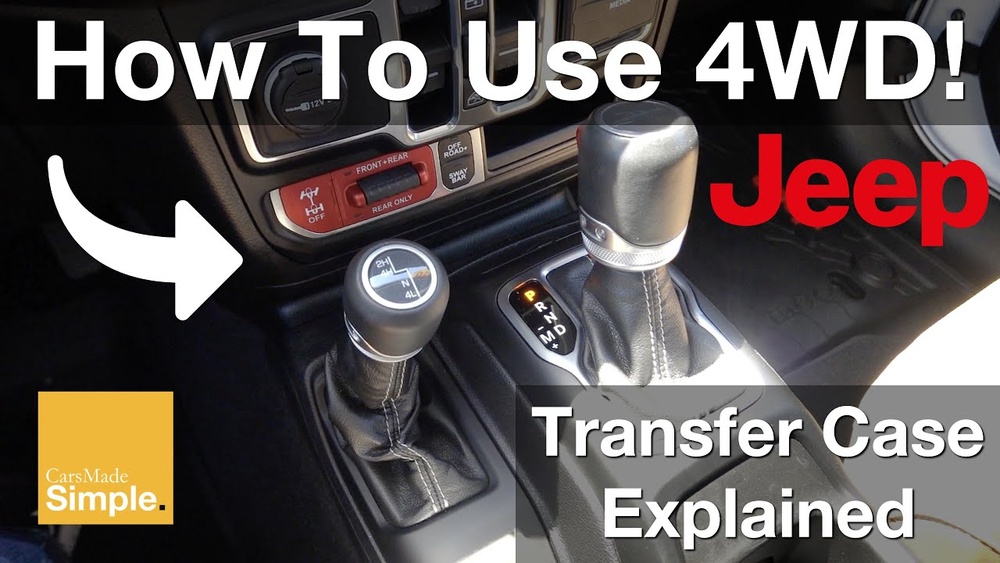
2h (two High)
2H is the default mode for everyday driving. In this setting, only the rear wheels get power.
- Use 2H for dry pavement and city roads.
- It gives you better fuel economy because less power is used.
Switch to 2H when you don’t need extra traction. Many Jeeps let you change between 2H and other modes while driving, but always check your manual.
Example
If you drive your Jeep to work every day, keep it in 2H. You’ll save gas and avoid extra wear on the system.
4h (four High)
4H sends power to all four wheels. This helps you drive safely on wet, snowy, or muddy roads.
- Perfect for light off-roading and slippery surfaces.
- You can switch to 4H “on the fly” (while driving) at speeds below 55 mph in most Jeeps.
When To Use 4h
- Driving on snowy highways
- Crossing muddy fields
- Handling rain-slicked roads
Quick Comparison
Here’s how 2H and 4H compare for typical road conditions:
| Mode | Traction | Fuel Economy | Recommended Use |
|---|---|---|---|
| 2H | Low | High | Dry pavement |
| 4H | Medium-High | Medium | Wet, snow, mud |
4l (four Low)
4L is your heavy-duty mode. It sends high torque to all four wheels at low speed. This is for serious off-roading or when you need maximum power.
- Only use 4L on steep hills, deep sand, rocky trails, or when stuck.
- Never use 4L on normal roads—it will damage your Jeep.
How To Switch To 4l
- Stop your Jeep completely.
- Shift into neutral.
- Move the 4WD lever or knob to 4L.
- Wait for the indicator light.
4h Vs 4l
This table shows when to use 4H or 4L:
| Mode | Speed Range | Best For | Switching Method |
|---|---|---|---|
| 4H | Up to 55 mph | Slippery roads | On the fly |
| 4L | Below 25 mph | Heavy off-road | Stop & shift |

Auto 4wd
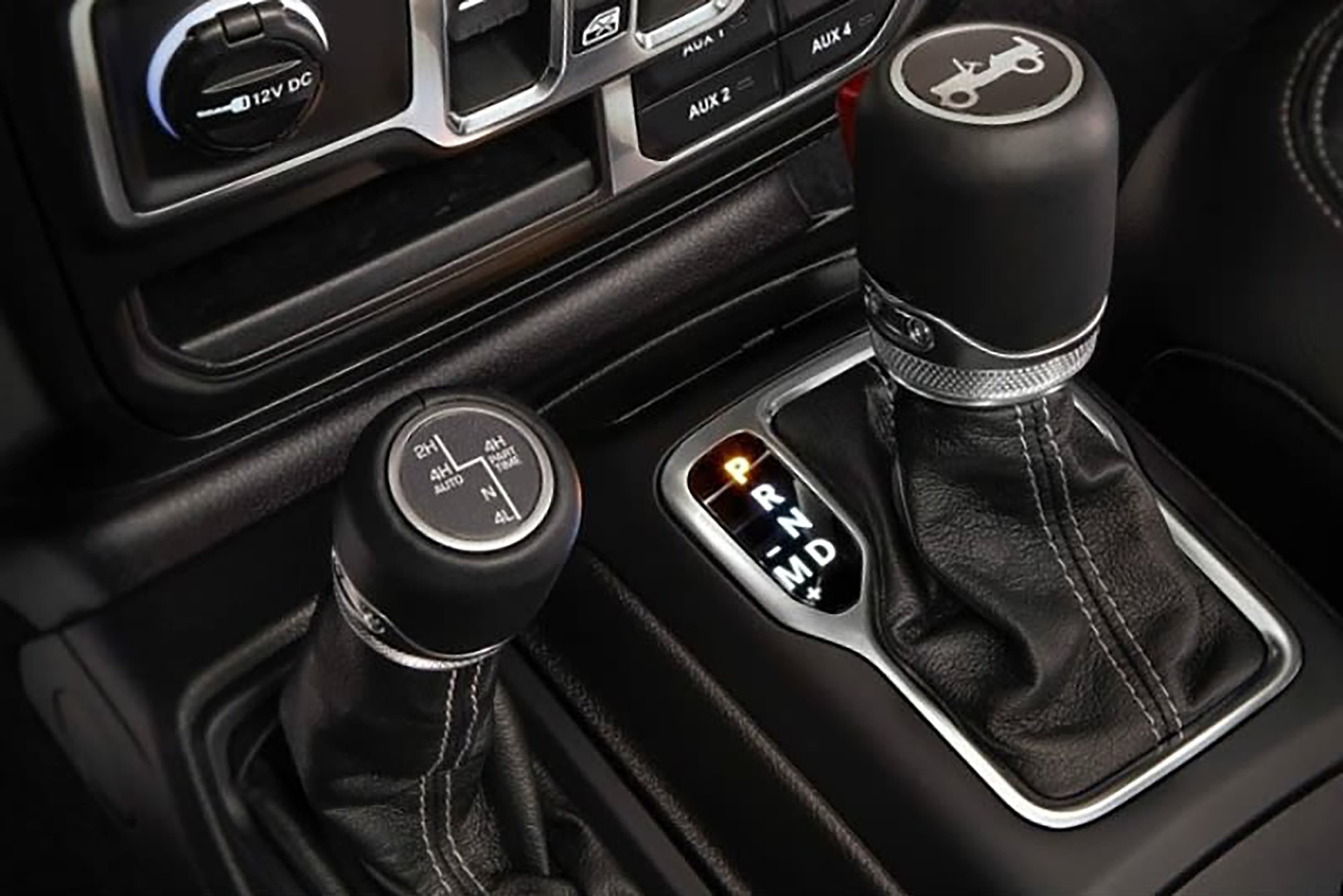
Some Jeeps offer Auto 4WD. This mode senses when you need more traction and switches automatically between 2H and 4H.
- Great for mixed conditions where roads change often.
- The system uses sensors to react quickly.
Non-obvious Insight
Many people don’t realize Auto 4WD is best for urban areas with surprise weather. You don’t need to guess which mode to use—the Jeep does it for you.
Tips For Using Jeep 4 Wheel Drive
- Don’t use 4WD on dry pavement. This can cause tire wear and damage.
- Switch modes carefully. Always read your Jeep’s manual for exact instructions.
- Practice in a safe area before tackling difficult terrain.
- Check your tires regularly. Good tires make a big difference in traction.
Common Mistakes
- Using 4L for normal driving
- Ignoring speed limits when switching modes
- Forgetting to switch back to 2H after off-roading
Real-world Example
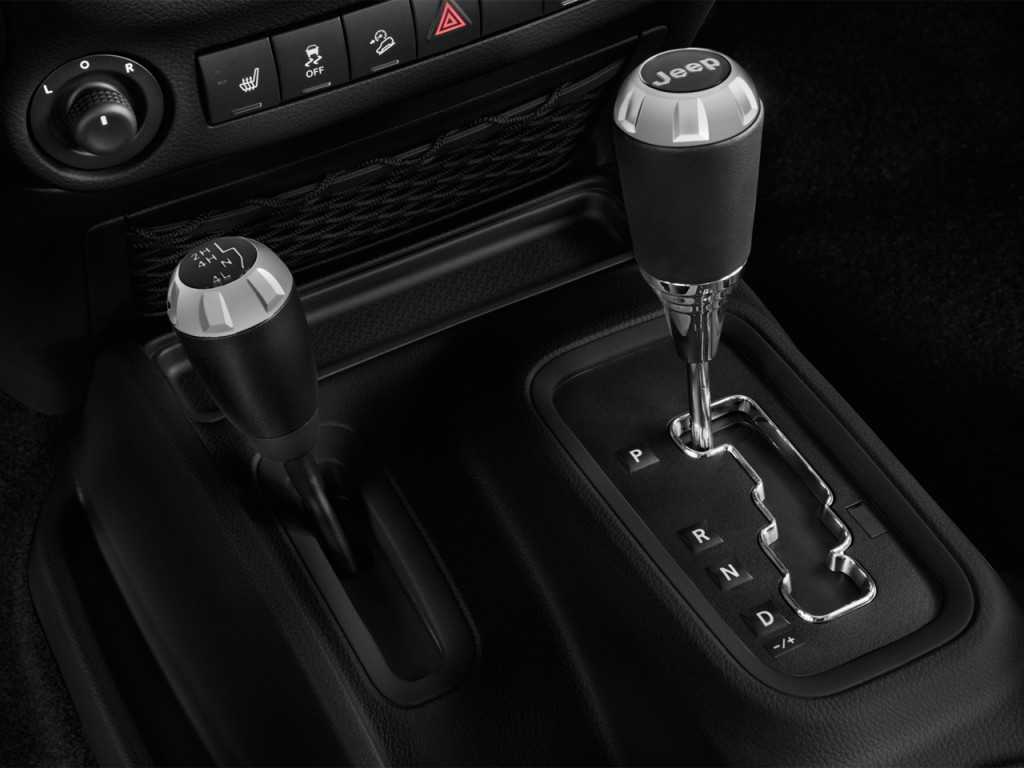
Imagine you’re driving in the Rocky Mountains. It starts snowing. Switch to 4H for better control. If you need to climb a steep, rocky path, stop and shift to 4L. When you return to normal roads, go back to 2H.
Data: Jeep Owner Preferences
A recent survey showed:
| Mode | % of Owners Using | Main Reason |
|---|---|---|
| 2H | 65% | Daily driving |
| 4H | 20% | Bad weather |
| 4L | 10% | Off-road |
| Auto 4WD | 5% | Mixed conditions |
Frequently Asked Questions
What Happens If I Use 4wd On Dry Pavement?
Driving on dry roads with 4H or 4L can cause your tires to wear faster and may damage the drivetrain. Always use 2H for normal roads.
Can I Switch Between 4wd Modes While Driving?
You can switch between 2H and 4H at low speeds. For 4L, you must stop, shift to neutral, then change modes.
Is Auto 4wd Safe For All Conditions?
Auto 4WD is safe for most situations, but it’s not designed for extreme off-roading. For deep mud or rocks, use 4L.
How Do I Know Which Mode To Use?
Think about the road: dry and smooth means 2H; slippery or uneven means 4H; deep obstacles require 4L; changing conditions suit Auto 4WD.
Will Using 4wd Affect My Gas Mileage?
Yes, using 4WD—especially 4H or 4L—uses more fuel than 2H. Use 4WD only when needed to save gas.
Mastering your Jeep’s 4 wheel drive unlocks its true capability. Remember to use each mode wisely, switch carefully, and never force the system. With practice, you’ll feel confident wherever you drive. For more details, check the official Jeep guide at Jeep Life. Enjoy your adventures—your Jeep is ready for anything.