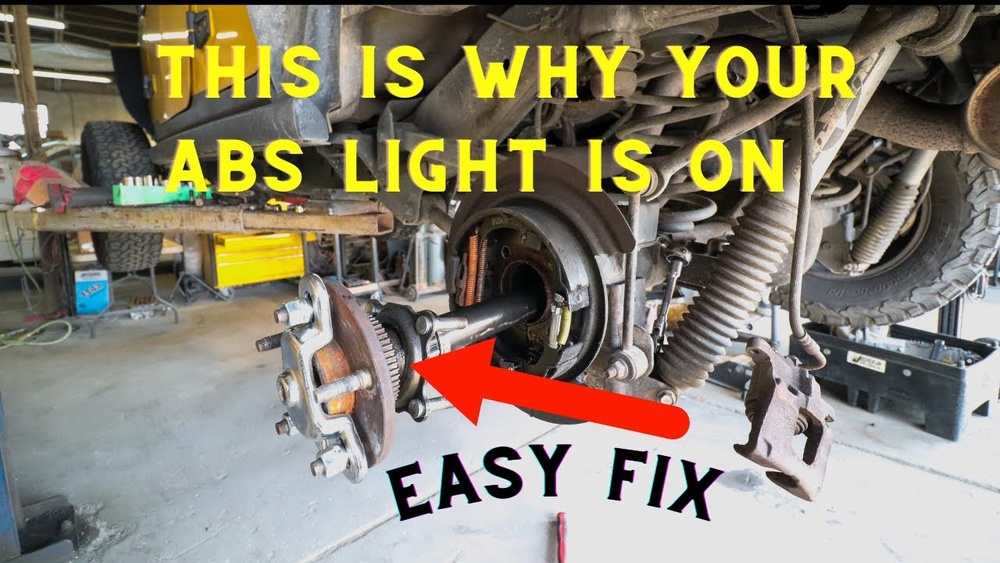
Owning a Jeep means adventure, but it also means understanding the parts that keep your vehicle strong and reliable. One part many Jeep owners overlook is the axle. Knowing which axle your Jeep has is important for repairs, upgrades, and choosing the right parts. It can also affect performance on rough terrain. If you’re unsure about your Jeep’s axle, this guide will help you identify it confidently, even if you’re new to car maintenance.
Why Axle Identification Matters
The axle type determines what parts you can use, how much weight your Jeep can carry, and how well it handles off-road. For example, a Dana 44 axle is stronger than a Dana 35 and is often found in Jeeps built for tough trails. Choosing the wrong parts for your axle can lead to damage, safety issues, or wasted money.
Quick Ways To Identify Your Jeep Axle
You don’t need special tools or advanced skills to figure out which axle your Jeep has. Here are the most common, practical methods:
- Check the VIN and Factory Sticker
- The Vehicle Identification Number (VIN) is usually located on the dashboard near the windshield. It can tell you the model and factory specs.
- Look for the factory sticker (sometimes called the build sheet) on the driver’s door or under the hood. It often lists the axle type or code.
- Look for the Axle Tag
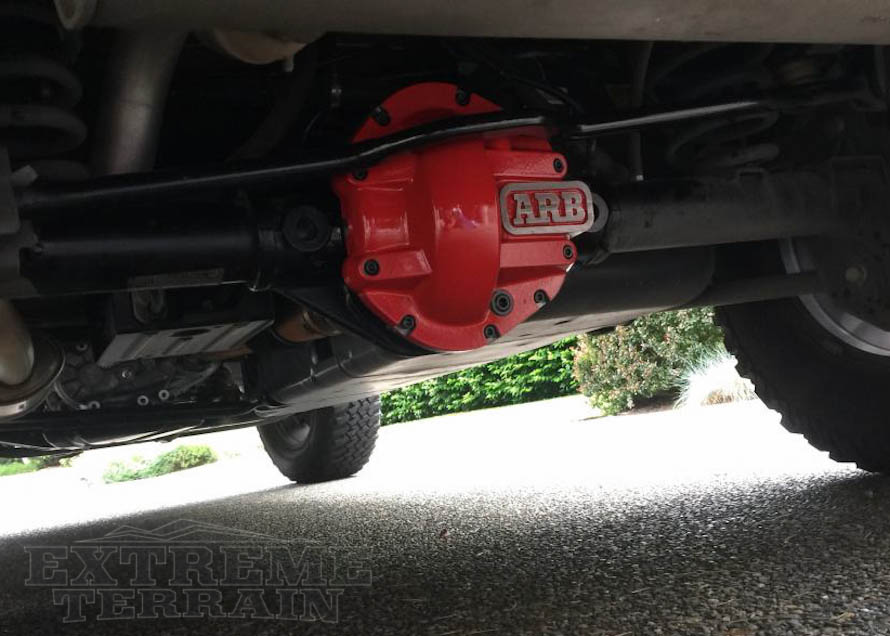
- Most Jeep axles have a small metal tag attached to the differential cover. The tag shows key data like the model number and gear ratio.
- Clean the tag carefully to read it. Common codes include Dana 30, Dana 35, and Dana 44.
- Visual Inspection
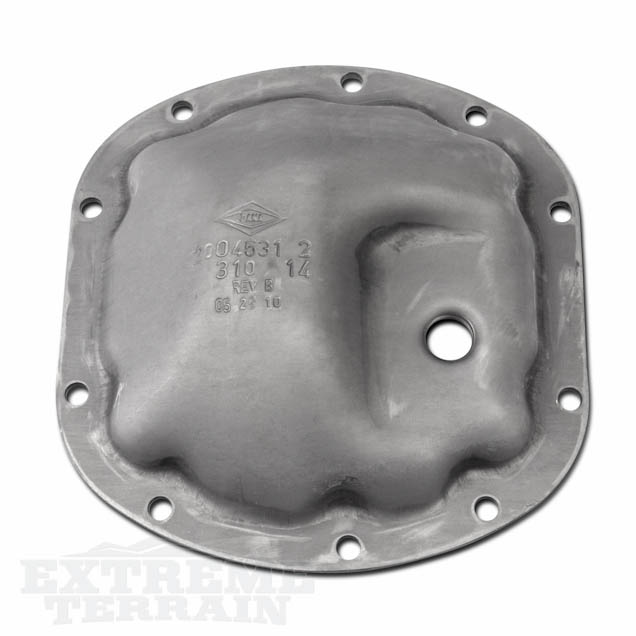
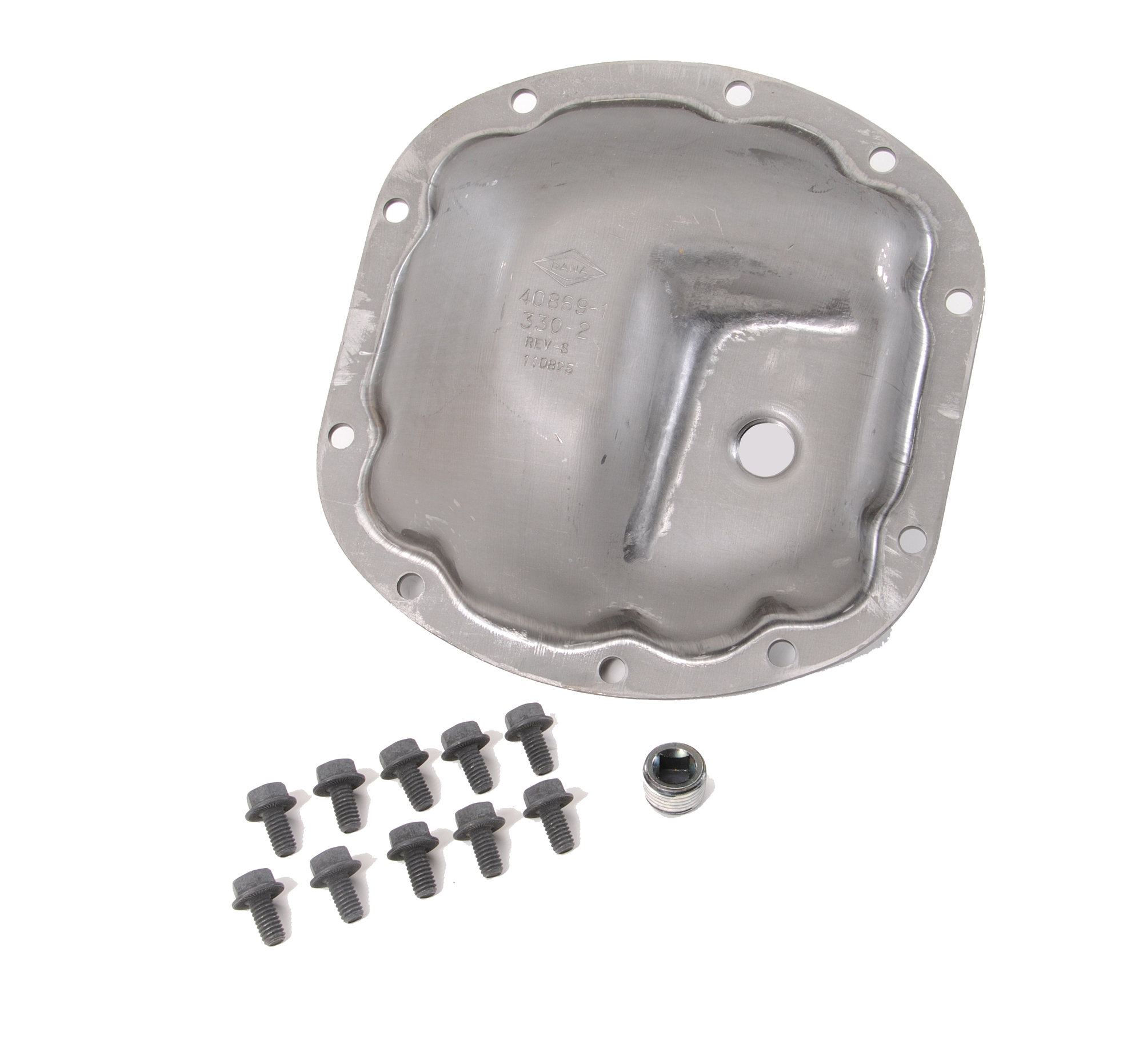
- The shape and size of the axle housing can tell you a lot. For example, a Dana 44 has a larger, more oval-shaped cover compared to a Dana 35.
- Count the bolts on the differential cover. Dana 30s usually have 10 bolts, Dana 35s have 10, and Dana 44s have 10 but with a different shape.
- Measure the axle tube diameter. Dana 44 tubes are thicker than Dana 35 tubes.
- Use Jeep Forums or Manuals
- Search your Jeep’s year and model in forums like Jeep Wrangler Forum or check official Jeep manuals. Many owners share photos and guides.
Common Jeep Axle Types And Their Features
Jeep models use several axle types. Here’s a comparison of the most common axles found in Wranglers and Cherokees:
| Axle Type | Cover Shape | Tube Diameter | Typical Models |
|---|---|---|---|
| Dana 30 | Oval | 2.5″ | Wrangler front |
| Dana 35 | Round | 2.62″ | Wrangler rear, Cherokee |
| Dana 44 | Hexagonal | 2.75″ | Wrangler Rubicon, older models |
| Chrysler 8.25 | Oval | 3″ | Cherokee rear |
Identifying Axle By Model Year
Jeep changed axles over the years. Here’s a quick guide to what you might find:
| Model | Year Range | Front Axle | Rear Axle |
|---|---|---|---|
| Wrangler YJ | 1987–1995 | Dana 30 | Dana 35 |
| Wrangler TJ | 1997–2006 | Dana 30 | Dana 35 / Dana 44 |
| Wrangler JK | 2007–2018 | Dana 30 / Dana 44 | Dana 44 |
| Cherokee XJ | 1984–2001 | Dana 30 | Dana 35 / Chrysler 8.25 |
Advanced Methods For Axle Id
If the tag is missing or unreadable, you can still identify your axle:
- Measure the bolt pattern: Count the bolts and check the shape of the cover. This is often enough to tell Dana 44 apart from Dana 35.
- Check casting numbers: Some axles have numbers stamped into the metal. Search these numbers online or in Jeep manuals.
- Compare gear ratios: Open the differential and count the teeth on the ring and pinion gears. This is more advanced but accurate.
Two Insights Most Beginners Miss
- Aftermarket axles: Previous owners may have swapped the factory axle for a stronger one. Always check visually, even if the VIN says one thing.
- Axle upgrades: Some Jeep trims (like Rubicon) use upgraded axles. Don’t assume your axle matches every Jeep of your model year.
Mistakes To Avoid
- Ignoring visual clues: Many people rely only on VIN codes, but axles can be swapped. Always check under your Jeep.
- Using wrong parts: Installing parts for the wrong axle can cause fit issues or breakage. Double-check before buying.
Example: Identifying A Wrangler Jk Axle
Suppose you own a 2014 Jeep Wrangler JK. You check the sticker and see “Dana 44.” Next, you crawl under and see a hexagonal cover with 10 bolts and thick tubes. This confirms it’s a Dana 44. If you want to upgrade gears or add a locker, now you know exactly what to buy.
When To Ask A Professional
If you can’t find tags, numbers, or are unsure about visual clues, a mechanic can help. Many shops will identify axles for free or a small fee. This is worth it if you plan big upgrades or repairs.
Frequently Asked Questions
What If My Jeep’s Axle Tag Is Missing?
You can use the visual inspection method. Compare the shape of the cover, bolt count, and tube size to known axle types. Forums and manuals can also help.
Can I Find Axle Info In My Jeep’s Vin?
Yes, the VIN can show factory specs, but it’s not always detailed. Use it with the factory sticker for best results.
Is It Possible My Jeep Has Aftermarket Axles?
Absolutely. Previous owners often upgrade axles for strength. Always check under your Jeep and look for signs like welded brackets or non-standard covers.
Are Dana 44 Axles Better Than Dana 35?
Generally, Dana 44 axles are stronger and handle more abuse. Dana 35 is lighter but not as durable for heavy off-roading.
Where Can I Find Reliable Jeep Axle Identification Resources?
Official Jeep manuals, forums, and sites like Jeep.com are excellent sources for axle identification guides and photos.
Knowing your Jeep’s axle is key to safe and smart upgrades. With these steps and tips, you can confidently identify your axle and make better choices for your vehicle. Always double-check before buying parts, and don’t hesitate to ask experts if you’re unsure.
This simple knowledge can save you money and keep your Jeep ready for adventure.