Storing your Jeep hardtop outside can be tricky. The hardtop is strong, but weather, sunlight, and poor handling can cause damage over time. If you don’t have indoor space, you must use smart methods to keep your hardtop safe and looking good. Many Jeep owners make simple mistakes, like leaving the hardtop on the ground or forgetting to cover it properly. With the right approach, your hardtop will last longer and stay ready for your next adventure.
Why Outdoor Storage Needs Care
A Jeep hardtop faces rain, sun, snow, and temperature changes outdoors. UV rays can fade paint and plastic. Water can seep into seals, causing mold or rust. Wind can blow dust and debris onto the surface, scratching it. If you live in a snowy area, heavy snowfall can even crack the top if it’s not supported well. That’s why planning your storage is important, not just for looks, but also to keep your hardtop strong and safe.
Choosing The Right Location
Where you store your hardtop matters. Look for a flat surface away from trees or construction. Trees drop sap, leaves, and branches. Construction sites can have dust or falling objects. Concrete or pavement is best; grass or dirt can hold moisture, leading to mold or corrosion.
Comparison: Outdoor Storage Surfaces
| Surface | Pros | Cons |
|---|---|---|
| Concrete | Dry, stable, easy to clean | None |
| Pavement | Stable, low moisture | Can get hot in summer |
| Grass/Dirt | Cheap, easy to find | Holds moisture, attracts insects |
| Wood Deck | Elevated, less moisture | Can rot, needs maintenance |
Protecting From Weather
Weather is your biggest challenge. Rain, snow, and sun can all damage a hardtop. For best protection:
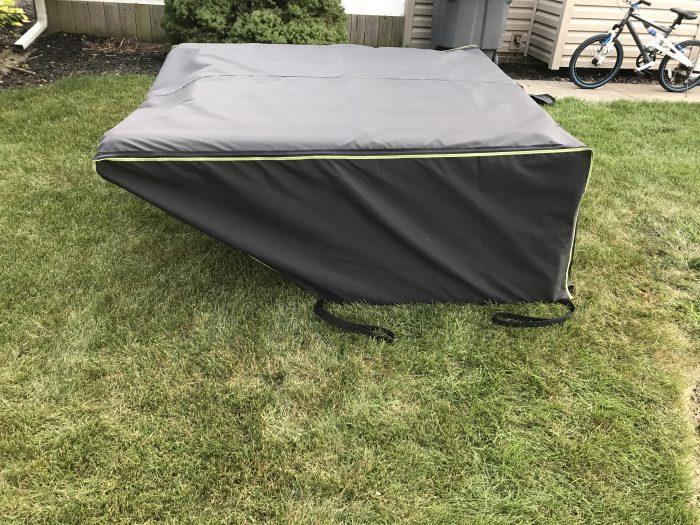
- Buy a quality cover: Look for a waterproof, UV-resistant cover made for Jeep hardtops. Avoid cheap tarps—they can trap moisture and scratch surfaces.
- Elevate the hardtop: Use blocks or a stand to keep the hardtop off the ground. This prevents moisture buildup and keeps pests away.
- Check seals and edges: Before covering, clean and dry all seals. If water gets in, it can cause mold or rust.
Example: Effective Cover Options
| Cover Type | Weather Protection | Average Price |
|---|---|---|
| Custom-fit Jeep cover | Excellent (UV, rain, dust) | $80–$150 |
| Heavy-duty tarp | Moderate (rain only) | $30–$50 |
| Plastic sheet | Poor (tears, traps water) | $10–$25 |
Many new Jeep owners forget about UV protection. Sunlight can damage plastic parts and make paint fade quickly. Always pick a cover with UV blocking properties.
Safe Handling And Storage Stands
Moving a hardtop is not easy. It weighs about 100–150 pounds, and its shape makes it awkward to carry. If you drop it, cracks and scratches are likely.
- Use a hardtop storage stand: These stands are made for Jeeps and cost $100–$250. They keep the top upright and stable.
- Don’t lay the hardtop flat: Laying it on its roof can warp the structure or break seals.
- Ask for help: Always use two people for lifting. One person alone may damage the top or hurt themselves.
Comparison: Storage Stand Vs. Flat Ground
| Method | Damage Risk | Ease of Access |
|---|---|---|
| Storage Stand | Low | Easy |
| Flat Ground | High | Hard |
| Blocks/Bricks | Medium | Moderate |
One insight many miss: Always store the hardtop upright, not upside down or on its side. This keeps the weight balanced and seals safe.

Pest And Security Risks
Outdoor storage can attract rodents, insects, and even thieves. Mice might nest inside the hardtop if it’s not sealed. Spiders or bugs can hide in crevices. If your area has theft problems, someone may try to steal the top or parts.
To reduce these risks:
- Seal all openings: Use tape or foam to cover holes and seals.
- Check regularly: Inspect every week for signs of pests or tampering.
- Lock it up: If possible, chain the stand to a fence or post. Use a padlock for extra security.
Most beginners overlook regular checks. Problems can grow quickly if not handled early.
Maintenance Before And After Storage
Always clean the hardtop before storing. Dirt and dust can scratch the surface. Use mild soap and water, then dry completely. Waxing the top adds a layer of protection.
After storage, check for:
- Cracks or fading
- Loose seals
- Signs of pests
Fix these before reinstalling the hardtop. This keeps your Jeep safe and looking great.
Frequently Asked Questions
How Long Can I Store My Jeep Hardtop Outside?
If you use a proper cover and stand, you can store the hardtop outside for several months. However, check regularly for damage or pests. Long-term storage in harsh weather is not ideal.
What’s The Best Cover For A Jeep Hardtop?
A custom-fit waterproof cover with UV protection is best. Avoid tarps or plastic sheets. Look for covers made for Jeep hardtops, not generic car covers.
Can I Store The Hardtop On The Ground?
It’s not recommended. Storing directly on grass, dirt, or pavement can lead to moisture buildup, mold, and scratches. Always use a stand or elevate with blocks.
How Do I Keep Pests Away?
Seal all openings with tape or foam. Check the hardtop weekly for signs of pests. Clean the area around the hardtop and avoid storing near bushes or trash.
Is Outdoor Storage Safe In Winter?
Outdoor storage is safe if you use a strong cover and keep the hardtop elevated. Heavy snow can cause cracks, so clear snow off regularly. In areas with extreme cold, indoor storage is better.
By following these steps, you can store your Jeep hardtop outside without worry. Remember, planning and regular checks are key. If you want more ideas, visit Jeep Official Site for extra tips and resources.