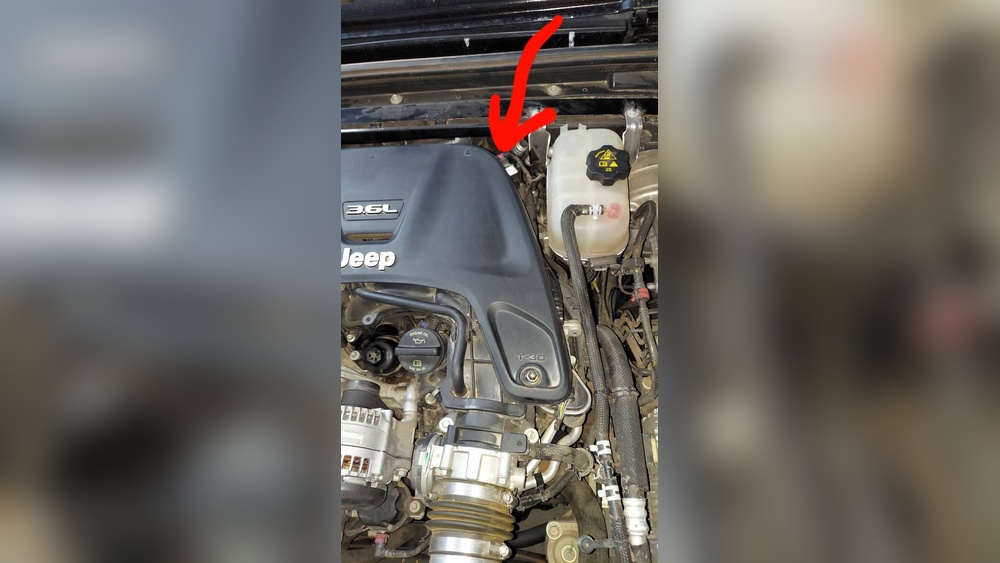
Owning a 2004 Jeep Grand Cherokee means you need to pay close attention to its transmission fluid. This often-overlooked fluid keeps your SUV’s automatic transmission shifting smoothly and helps prevent costly repairs. But not all transmission fluids are the same, and using the wrong type can lead to serious problems. If you’re unsure what to use, when to change it, or how to check the level, you’re not alone. Many Jeep owners make mistakes here, costing them time and money.
This guide will walk you through the four key topics every 2004 Grand Cherokee owner needs to know about transmission fluid: the correct type, fluid capacity, maintenance schedule, and step-by-step change procedure. Along the way, you’ll get practical tips and real-world advice to keep your Jeep running strong.
1. Transmission Fluid Type For The 2004 Jeep Grand Cherokee
The first thing to know is the correct fluid type for your transmission. The 2004 Grand Cherokee came with different engine and transmission options, but most models use the 42RE or 545RFE automatic transmissions.
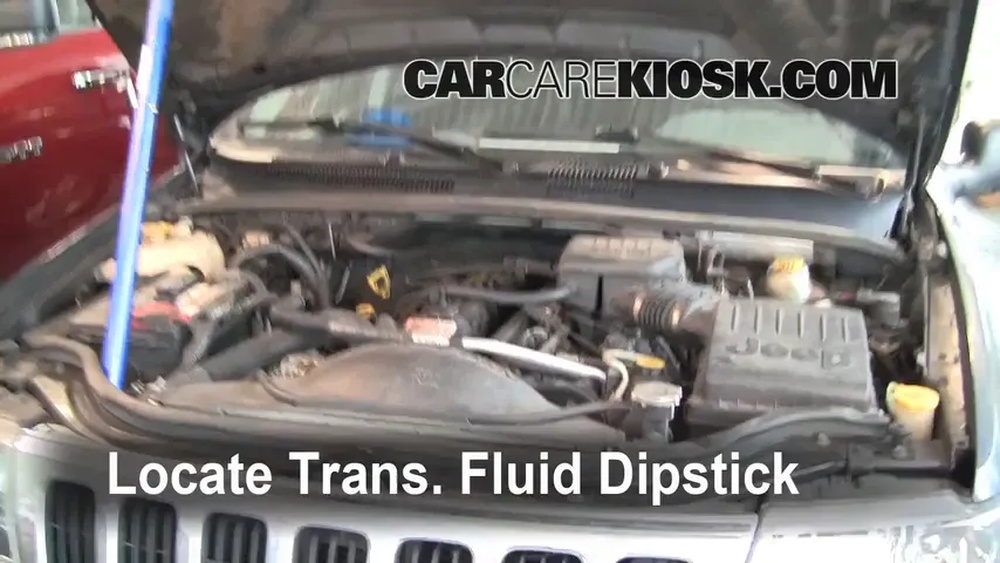
- For 42RE transmissions (found in 4.0L I6 engines), use ATF+4 (Mopar ATF+4) fluid.
- For 545RFE transmissions (found in 4.7L V8 engines), ATF+4 is also the recommended fluid.
Never mix fluids or use “universal” products unless clearly labeled as compatible with ATF+4. Using the wrong fluid can cause hard shifting, overheating, and even total transmission failure. Some owners mistakenly use Dexron or Mercon, but these do not offer the same friction properties or heat resistance.
Key insight: ATF+4 is a synthetic fluid, designed to last longer and handle higher temperatures than older formulas. It’s also backward compatible with earlier Jeep transmissions that originally used ATF+3, but not the other way around.
2. Transmission Fluid Capacity
Knowing the fluid capacity is critical for a correct refill. The total fill and service fill are not the same.
| Transmission | Total Capacity (quarts) | Service Refill (quarts) |
|---|---|---|
| 42RE (4.0L I6) | 8.0 | 4.0–5.0 |
| 545RFE (4.7L V8) | 14.0 | 5.0–7.0 |
- Total capacity refers to a complete dry fill, like after a rebuild.
- Service refill means just draining the pan and changing the filter.
Most owners will only need the service fill amount. Always check the dipstick after refilling, as slight differences can occur due to pan design or filter changes.
Practical tip: Do not overfill. Even a half-quart extra can cause foaming, slipping, or leaks.

3. Transmission Fluid Change Interval
Changing your transmission fluid on time is one of the best ways to extend the life of your Jeep’s transmission. Jeep recommends:
- Every 30,000 miles (or every 2 years) for normal driving
- Every 15,000 miles if you tow, off-road, or drive in hot climates
Some drivers push these intervals, but old fluid loses its protective qualities and can allow sludge or varnish to build up.
Real-world advice: If you’ve never changed the fluid or don’t know when it was last done, it’s better to change it soon. Neglecting fluid changes is one of the top causes of early transmission failure.
Over time, the fluid’s color will darken and may smell burnt. This is a clear sign that a change is overdue.
4. How To Change Transmission Fluid On A 2004 Jeep Grand Cherokee
Changing your own transmission fluid is a straightforward job for those with basic tools and patience. Here’s a step-by-step outline:
- Warm up the engine for a few minutes to thin the fluid.
- Lift the vehicle and secure it on jack stands.
- Place a large drain pan under the transmission pan.
- Remove pan bolts (leave a few loosely at one end to control fluid flow).
- Let the old fluid drain out.
- Remove the transmission filter (it will have fluid inside).
- Clean the pan and magnet. Wipe away all sludge and debris.
- Install a new filter and pan gasket.
- Reattach the pan and tighten bolts evenly.
- Refill with the correct amount of ATF+4 through the dipstick tube.
- Start the engine, shift through all gears, and check the fluid level. Add more if needed.
Most shops charge $150–$250 for this service, but doing it yourself can cost under $60 in parts and fluid.
Common mistake: Forgetting to change the filter or not cleaning the pan magnet. The magnet catches metal shavings—if left dirty, it can’t do its job.

Comparison: Diy Vs Professional Transmission Fluid Change
Many Jeep owners wonder if it’s worth changing the fluid themselves or paying a shop. Here’s a quick comparison:
| Factor | DIY | Professional |
|---|---|---|
| Cost | Lower ($60–$80) | Higher ($150–$250) |
| Time | 1.5–2 hours | 30–60 minutes |
| Quality Control | Direct oversight | Relies on technician |
| Mess/Cleanup | Can be messy | Handled by shop |
For many, the main benefit of DIY is knowing the job was done right and using high-quality parts.
Signs Of Transmission Fluid Problems
Catching issues early can save your transmission. Watch for:
- Delayed shifting
- Slipping gears
- Strange noises (whining, clunking)
- Burnt smell
- Red or brown puddles under your Jeep
If you notice these, check your fluid level and condition right away. Driving with low or dirty fluid can destroy your transmission fast.
Cost Of Transmission Fluid And Filter
Here’s what you can expect to pay for parts:
| Item | Average Cost (USD) |
|---|---|
| ATF+4 Fluid (per quart) | $7–$10 |
| Filter and Gasket Kit | $15–$25 |
| Total DIY Change | $50–$80 |
Buying quality Mopar ATF+4 fluid ensures compatibility and performance.
Frequently Asked Questions
What Happens If I Use The Wrong Transmission Fluid In My 2004 Jeep Grand Cherokee?
Using the wrong fluid can damage your transmission quickly. It may cause hard shifting, slipping, or overheating. Always use ATF+4 as recommended.
How Can I Check The Transmission Fluid Level?
With the engine running and at normal temperature, pull the transmission dipstick, wipe it clean, reinsert, and check the level. Fluid should be pink-red and between the “Add” and “Full” marks.
Is A Flush Better Than A Simple Fluid Change?
A fluid change replaces about half the old fluid, while a flush replaces nearly all. Flushing can sometimes loosen sludge and cause problems in old, neglected transmissions. For most, a pan drop and filter change is safest.
Can I Drive With Dirty Transmission Fluid?
Driving with dirty fluid risks serious damage. It loses lubrication, lets heat build up, and can clog small passages. Always change fluid at the recommended interval.
Where Can I Learn More About Transmission Fluids For Jeep Vehicles?
Check the official Wikipedia page on Chrysler ATF for more technical details and compatibility charts.
Taking care of your 2004 Jeep Grand Cherokee’s transmission fluid isn’t hard, but it does require attention to detail. Using the right fluid, changing it on time, and following proper procedures will keep your Jeep shifting smoothly for years to come.
Don’t cut corners—your transmission depends on it.