If you’re driving your Jeep Grand Cherokee and suddenly see the check engine light pop on, it’s normal to feel a bit worried. That little glowing icon isn’t just a random warning—it’s your vehicle telling you something needs attention.
But what exactly is going on under the hood? Is it something minor like a loose gas cap, or is it a sign of a bigger problem like a failing oxygen sensor or catalytic converter? The good news is, you don’t have to guess.
Understanding why your check engine light is on can help you act quickly and avoid costly repairs. You’ll discover the most common reasons this light comes on in your Jeep Grand Cherokee and what steps you should take next. Keep reading to protect your ride and keep your engine running smoothly.
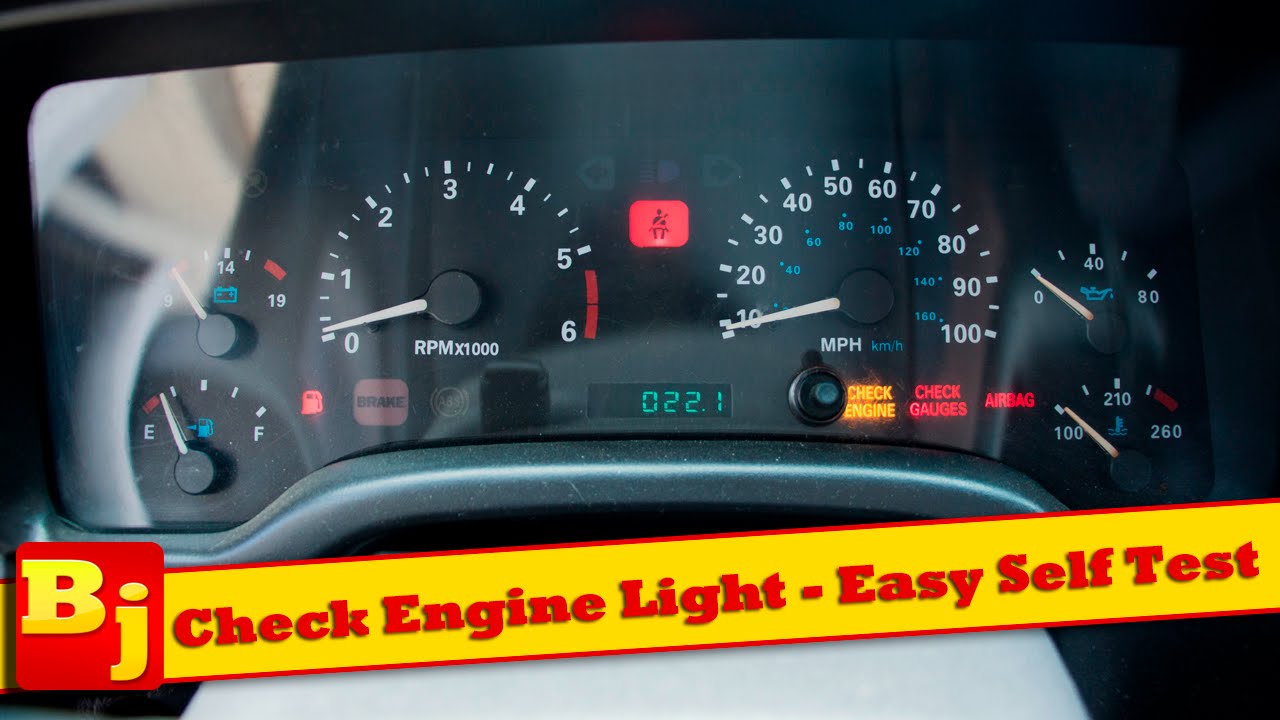
Common Causes
The check engine light on your Jeep Grand Cherokee can turn on for many reasons. Some causes are simple, while others need quick attention. Knowing the common causes helps you understand the problem better. It also guides you on what to check first or what to tell your mechanic.
Many times, the issue is not serious but ignoring it can lead to bigger problems. Here are the most common reasons why the check engine light may come on in your Jeep Grand Cherokee.
Loose Gas Cap
A loose gas cap is one of the simplest causes of the check engine light. It lets fuel vapors escape, which triggers the warning light. Check the gas cap and tighten it firmly. This might turn the light off after a few drives.
Failing Oxygen Sensor
The oxygen sensor measures oxygen in the exhaust. A bad sensor sends wrong data to the engine control unit. This can lower fuel efficiency and increase emissions. Replacing the oxygen sensor often fixes the light.
Bad Catalytic Converter
The catalytic converter cleans harmful gases from the exhaust. If it fails, your Jeep may run poorly and pollute more. Common causes include ignored misfires or bad spark plugs. Repair or replace the catalytic converter if needed.
Worn-out Spark Plugs
Spark plugs ignite the fuel-air mix in the engine. Worn plugs cause misfires and rough running. They can trigger the check engine light. Changing spark plugs regularly keeps your Jeep running smooth.
Evap System Leaks
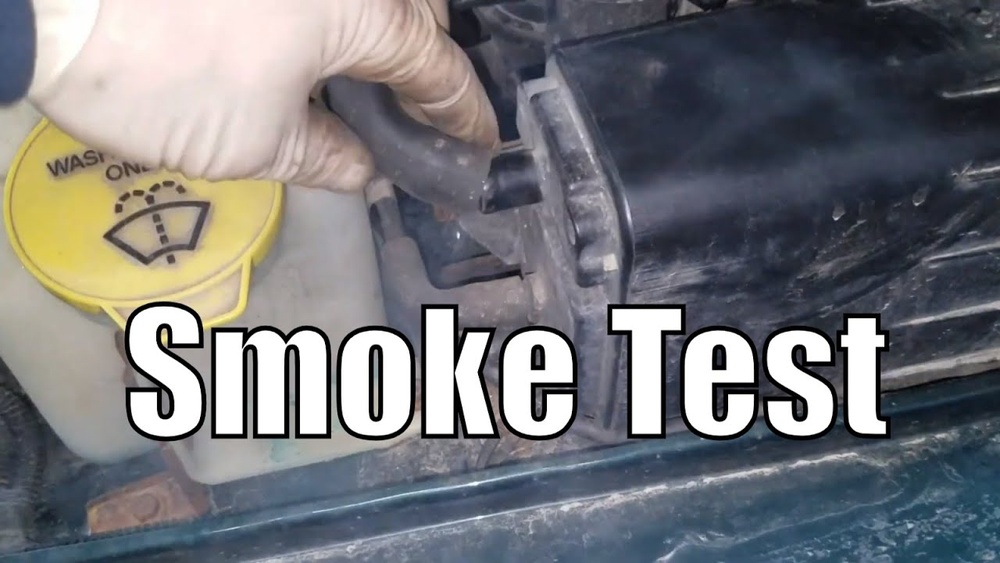
The EVAP system traps fuel vapors to prevent pollution. Leaks in this system often cause the check engine light. Common leak points include cracked hoses or a faulty gas cap. EVAP leaks need repair to clear the light.
Purge Valve Issues
The purge valve controls vapor flow in the EVAP system. A stuck or broken valve can cause leaks and trigger the light. Jeep Grand Cherokees sometimes have problems with the purge valve or lines near the rear wheel. Replacing the valve usually solves the issue.
Diagnosing The Problem
The check engine light in your Jeep Grand Cherokee warns of engine or emission system issues. Diagnosing the problem quickly helps avoid costly repairs and keeps your vehicle running smoothly. Understanding how to read and interpret this warning is the first step.
Below are simple methods to diagnose why the check engine light is on.
Using An Obd-ii Scanner
An OBD-II scanner plugs into your Jeep’s diagnostic port. It reads error codes stored by the engine control unit. These codes explain the exact problem causing the check engine light. Many auto parts stores offer free scanning services.
After scanning, write down the codes. Research them online or in your Jeep’s manual. This helps identify if the issue is minor or needs professional repair.
Checking Dashboard Codes
Some Jeep Grand Cherokee models allow code viewing on the dashboard display. Use the steering wheel buttons to enter the self-diagnostic mode. This shows stored trouble codes without a scanner.
Note the codes shown on the screen. Compare them with your vehicle’s manual to understand the fault. This method is quick but may not work on all models.
Interpreting Flashing Vs Solid Light
A solid check engine light means a problem exists but is not urgent. You can continue driving but should address it soon. A flashing light signals a serious issue like engine misfire.
If the light flashes, stop driving immediately. Continuing to drive can damage your catalytic converter or engine. Seek professional help to prevent costly damage.
Severity Levels
The check engine light on your Jeep Grand Cherokee signals different levels of trouble. Understanding the severity helps you decide what to do next. Some issues are minor and safe to ignore for a while. Others need immediate action to avoid damage or danger. Recognizing these levels keeps your vehicle safe and reliable.
When It’s Safe To Drive
A steady check engine light usually means the problem is not urgent. Your Jeep can still drive safely for short trips. Common causes include a loose gas cap or a small sensor fault. You should schedule a service visit soon to prevent bigger issues. Keep an eye on how the car runs and listen for odd sounds.
Urgent Warning Signs
A flashing check engine light warns of a serious problem. This often means a severe engine misfire. Driving with a flashing light can harm your catalytic converter quickly. Stop the vehicle as soon as possible. Continuing to drive risks costly repairs and breakdowns. Call for roadside assistance or have the Jeep towed to a mechanic.
Potential Engine Damage Risks
Ignoring the check engine light can cause engine damage over time. Problems like a bad oxygen sensor or failing catalytic converter worsen if untreated. Fuel efficiency drops and emissions rise. Engine parts may wear out faster, leading to expensive repairs. Early diagnosis and repair protect your Jeep and save money.
Diy Fixes
Fixing your Jeep Grand Cherokee’s check engine light at home can save time and money. Simple issues often trigger the warning. Basic tools and some patience can get you started. These DIY fixes target common problems. They help you decide if professional help is needed.
Tightening Or Replacing Gas Cap
A loose or damaged gas cap often causes the check engine light. It can let fuel vapors escape, triggering a sensor alert. Check the cap by twisting it until you hear clicks. Replace the cap if it looks cracked or worn. After securing or replacing the cap, drive for a few days. The light may turn off on its own.
Replacing Spark Plugs
Worn spark plugs can cause engine misfires and light warnings. Inspect the spark plugs for damage or heavy deposits. Remove old plugs with a spark plug socket and replace them with new ones. Use the correct type and gap size for your Jeep. New spark plugs improve engine performance and often turn off the check engine light.
Cleaning Or Replacing Oxygen Sensors
Oxygen sensors monitor exhaust gases and affect fuel mixture. Dirty or failing sensors cause poor fuel economy and trigger the light. You can clean sensors with a special cleaner or replace them if needed. Locate sensors along the exhaust pipe. Remove carefully and install new parts following your Jeep’s manual. Fixing sensors restores engine efficiency and clears the warning.
Professional Repairs
Professional repairs are essential for resolving check engine light issues on your Jeep Grand Cherokee. Skilled technicians use specialized tools to identify and fix problems accurately. This approach saves time and prevents further damage. Trusting experts ensures your vehicle runs smoothly and safely again.
Addressing Evap System Leaks
The EVAP system controls fuel vapor emissions. Leaks here often cause the check engine light to turn on. Professionals inspect hoses, valves, and seals carefully. They replace faulty purge valves or cracked lines. Proper repairs stop fuel vapors from escaping and restore system function.
Catalytic Converter Replacement
A failing catalytic converter triggers warning lights and reduces engine performance. Technicians test the converter for blockages or damage. They remove and replace it with a high-quality part. This repair reduces harmful emissions and improves your Jeep’s efficiency.
Advanced Diagnostics And Repairs
Modern diagnostic tools read error codes stored in your vehicle’s computer. Experts analyze these codes to find hidden issues. They perform precise repairs on sensors, ignition systems, or fuel injectors. Advanced diagnostics ensure all problems are fixed thoroughly and quickly.
Preventive Maintenance
Preventive maintenance plays a key role in keeping your Jeep Grand Cherokee running smoothly. It helps avoid issues that trigger the check engine light. Simple, regular care can extend your engine’s life and improve performance.
Regular Engine Tune-ups
Engine tune-ups keep your vehicle in top shape. They include checking spark plugs, ignition wires, and air filters. Clean and replace parts as needed to ensure efficient fuel burning. Regular tune-ups reduce the chance of engine misfires and sensor errors.
Timely Sensor Replacements
Sensors monitor your engine’s health and fuel system. Oxygen sensors and mass airflow sensors often wear out over time. Replace faulty sensors promptly to prevent false check engine warnings. Timely replacements help maintain fuel efficiency and lower emissions.
Fuel System Care Tips
Keep your fuel system clean to avoid engine problems. Use high-quality fuel and change the fuel filter regularly. Add fuel system cleaner occasionally to remove deposits. Proper fuel system care helps your engine run smoothly and prevents the check engine light from turning on.

Frequently Asked Questions
Can I Drive My Jeep With The Engine Light On?
You can drive your Jeep with the engine light on if it stays steady. Stop immediately if it flashes. Get the issue diagnosed soon to avoid damage.
Can I Still Drive My Car If The Check Engine Light Just Came On?
You can drive briefly if the check engine light is steady. Avoid driving if it’s flashing, as that signals serious engine trouble. Get your car checked soon to prevent damage.
What Is The First Thing To Check When The Check Engine Light Comes On?
The first thing to check is a loose or damaged gas cap. Tighten or replace it, then monitor if the light turns off.
How Serious Is An Orange Check Engine Light?
An orange check engine light signals a non-emergency issue needing prompt attention. It may indicate problems like a loose gas cap or failing sensor. Avoid ignoring it to prevent costly repairs. Use an OBD-II scanner to identify the exact cause and address it quickly.
Conclusion
The check engine light on your Jeep Grand Cherokee warns you about possible issues. Common causes include a loose gas cap, faulty oxygen sensor, or a bad catalytic converter. Use an OBD-II scanner to find the exact problem quickly. Never ignore a blinking light; it means serious engine trouble.
Regular checks and timely repairs keep your Jeep running smoothly and safely. Stay alert to any changes in performance or sounds. Taking action early saves money and prevents bigger damage down the road.