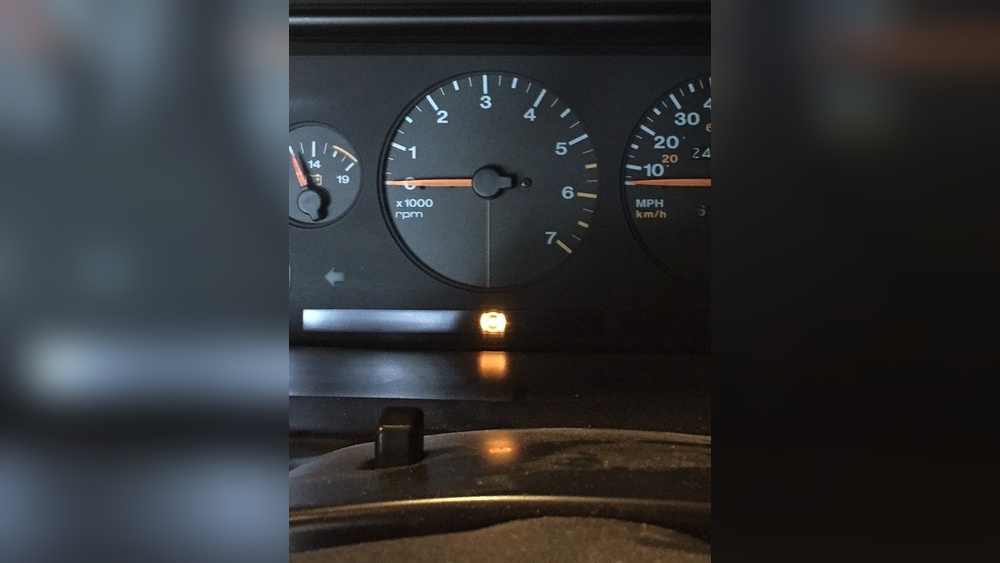
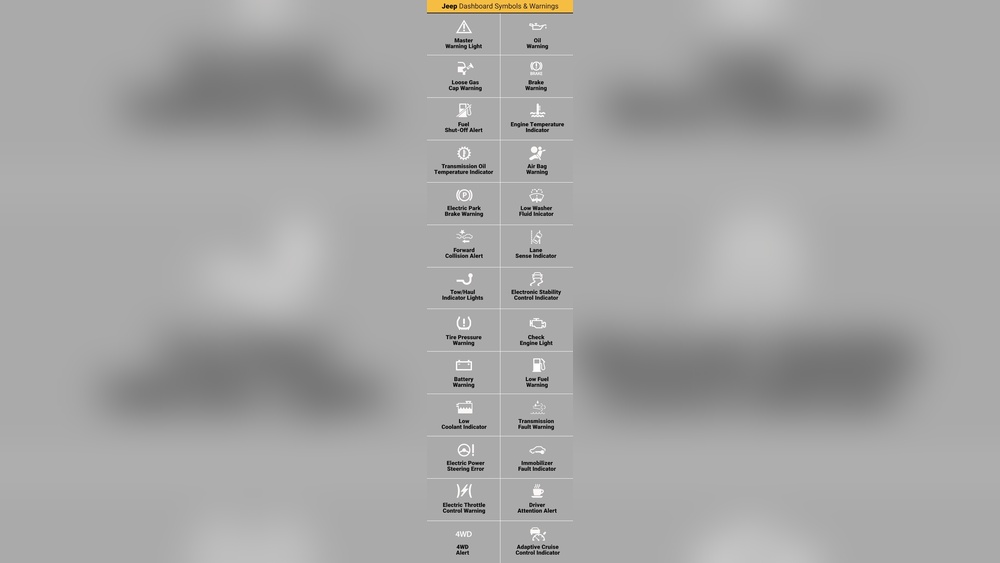
If you’ve noticed both the ABS light and the traction control light glowing on your Jeep Wrangler’s dashboard, you’re probably wondering what’s going on—and whether it’s safe to keep driving. These warning lights aren’t just random alerts; they signal that important safety systems designed to keep you in control might not be working properly.
Ignoring them could lead to slippery situations, especially if you’re tackling rough terrain or wet roads. But don’t panic—understanding why these lights come on and how to fix them can save you time, money, and stress. Keep reading to learn the most common reasons these lights appear, what they mean for your Jeep’s performance, and the simple steps you can take to get back on the road confidently.
Common Causes
The ABS light and traction control light appearing on your Jeep Wrangler’s dashboard signal issues in the vehicle’s safety systems. These lights often turn on together, pointing to common underlying problems. Understanding these causes helps with quick diagnosis and repair.
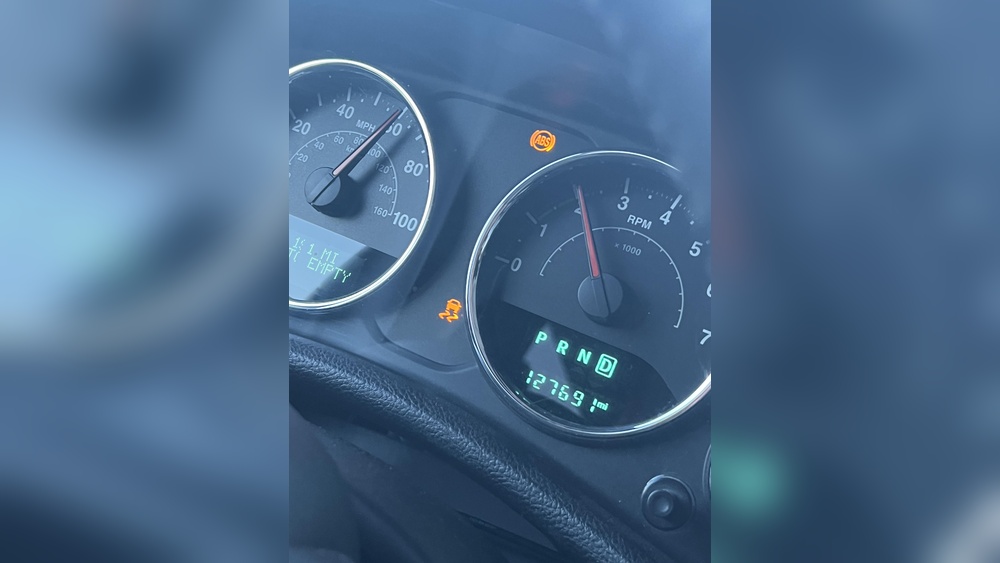
Several key factors can trigger these warning lights. They affect the sensors and components that monitor wheel speed and vehicle stability. Identifying the exact cause prevents further damage and restores safe driving conditions.
Faulty Wheel Speed Sensor
Wheel speed sensors send data to the ABS and traction control systems. A faulty sensor can give incorrect readings. This causes the warning lights to turn on. Sensors may fail due to dirt, damage, or wear. Replacing a bad sensor often clears the problem.
Damaged Wiring
Wires connect sensors to the vehicle’s control modules. These wires can get damaged by road debris or crushed during off-road driving. Corrosion also weakens wiring over time. Damaged wiring disrupts signals, triggering the ABS and traction control lights.
Misaligned Steering Wheel
If the steering wheel is not centered when driving straight, the system thinks the vehicle is sliding. This false reading activates the traction control light. Steering misalignment can happen after hitting potholes or rough terrain. Proper alignment fixes this issue.
Dirty Tone Rings
Tone rings work with wheel speed sensors to measure wheel rotation. Dirt, mud, or brake dust buildup on tone rings blocks sensor readings. This causes the ABS and traction control lights to illuminate. Cleaning the tone rings restores accurate sensor function.

Symptoms To Watch For
Recognizing symptoms early helps prevent bigger problems with your Jeep Wrangler. The ABS light and traction control light often signal issues in the braking or stability systems. Watch closely for signs that these systems may be failing. Acting quickly keeps you safe on the road.
Dashboard Warning Lights
The ABS and traction control lights appear on the dashboard. They may glow steadily or flash. These lights often come on together. They warn of problems with wheel speed sensors or wiring. Ignoring these lights can lead to system failure.
Brake Performance Changes
You might notice the brakes feel different. The pedal may become soft or require more pressure. The ABS may activate unexpectedly during normal stops. The vehicle could take longer to stop. These changes mean the ABS system is not working properly.
Steering Issues
The Jeep may pull to one side while driving. The steering wheel could feel off-center or harder to turn. Traction control problems can cause the vehicle to slip on wet or loose surfaces. These signs show the traction system is not controlling wheel spin correctly.
Quick Diagnosis Steps
The ABS and traction control lights on your Jeep Wrangler signal a problem in the system. Quick diagnosis helps find the issue before it worsens. Follow these simple steps to check the main causes and save time and money.
Use A Scan Tool
A scan tool reads error codes from your Jeep’s computer. These codes show what part has a problem. Connect the tool to the OBD-II port under the dashboard. Turn on the ignition and run the scan. Note the codes and look up what they mean. This step points you to the exact fault quickly.
Inspect Wiring And Connectors
Wiring damage often causes ABS and traction control lights. Check wires near the wheels and under the vehicle. Look for cuts, frays, or corrosion. Also, ensure connectors are secure and free of dirt. Loose or damaged wiring can stop signals from reaching the sensors.
Check Wheel Speed Sensors
Wheel speed sensors detect wheel rotation and send data to the computer. Dirt, damage, or failure can trigger warning lights. Remove the sensor and inspect it closely. Replace it if cracked or broken. Test the sensor with a multimeter for proper function. Faulty sensors must be fixed for safe driving.
Clean Tone Rings And Sensors
Tone rings work with sensors to measure wheel speed. Mud, brake dust, or metal shavings can cover them. Clean both the tone ring and sensor carefully using a soft brush and mild cleaner. Avoid harsh tools that may damage parts. Clean parts restore accurate readings and often clear the lights.
Easy Fixes
The ABS light and traction control light on a Jeep Wrangler often cause concern. They signal issues but can have simple solutions. Many drivers can fix these problems without costly repairs. Understanding easy fixes saves time and money. Here are some straightforward steps to try before visiting a mechanic.
Replace Or Repair Wiring
Wiring damage is a common cause of ABS and traction control lights. Wires may get crushed, corroded, or cut. Inspect the wiring harness near the wheel sensors for visible damage. Replace any broken wires or connectors. Use electrical tape or heat shrink tubing to protect repaired areas. Proper wiring restores signal flow to the sensors.
Realign Steering Wheel
A misaligned steering wheel can confuse the vehicle’s sensors. If the steering wheel is not centered while driving straight, the system may detect a slide. This triggers the traction control warning. Adjust the steering wheel alignment to the center position. Realignment often clears the warning lights. A professional alignment may be needed for persistent issues.
Clean Or Replace Sensors
Dirt, mud, and brake dust can cover wheel speed sensors. This blocks sensor readings and causes warning lights. Remove the sensor and clean it gently with a soft cloth or brush. Check the sensor’s tone ring for debris as well. Replace the sensor if cleaning does not fix the problem. Clean sensors improve signal accuracy and system function.
Reset Warning Lights
Resetting the warning lights can clear errors after repairs. Use an OBD-II scanner to reset the ABS and traction control system. Disconnecting the battery for a few minutes can also reset the system. The lights may turn off if the issue is resolved. Resetting helps the vehicle recalibrate and test the repaired parts.
When To See A Mechanic
The ABS light and traction control light on your Jeep Wrangler can signal important issues. Knowing when to see a mechanic helps avoid bigger problems. Some warning lights may clear after restarting the vehicle. Others stay on and need attention. Quick action keeps your Jeep safe and reliable.
Persistent Warning Lights
Warning lights that stay on need a mechanic’s check. They often mean the system found a fault. Ignoring these lights risks brake failure or loss of control. A mechanic can run a scan and find the exact problem. Never drive long with these lights glowing.
Brake System Issues
ABS and traction control relate to your brake system. Problems here can reduce stopping power or cause skidding. If your brakes feel different or the lights stay on, see a mechanic. They will inspect brake pads, sensors, and hydraulic parts. Safety depends on a healthy brake system.
Cost Of Abs Module Replacement
Replacing the ABS module can be expensive. The part itself costs several hundred dollars. Labor charges add to the total price. Sometimes, repairing sensors or wiring is cheaper. A mechanic can give a clear estimate after diagnosis. Regular maintenance helps avoid costly repairs later.
Safety Tips
Safety is the top priority when the ABS light and traction control light appear on your Jeep Wrangler’s dashboard. These warning lights signal issues with your vehicle’s braking and stability systems. Understanding how to handle these alerts can help prevent accidents and keep you safe on the road. Below are important safety tips to follow in such situations.
Driving With Lights On
Drive carefully if the ABS and traction control lights stay on. Your brakes may not work as expected during sudden stops. Avoid hard braking and keep a greater distance from other vehicles. Stay alert and reduce speed, especially on slippery roads. Plan to get your Jeep checked by a mechanic soon.
Turning Off Traction Control
Turn off traction control only if you need to free your Jeep from mud or snow. Traction control can limit wheel spin, making it harder to get moving. Use the switch or button inside your Jeep to disable the system. Remember to turn it back on after driving on rough patches.
Avoiding Rough Terrain
Avoid rough or uneven terrain while warning lights are active. Rough surfaces can worsen sensor problems or cause new damage. Drive on smooth roads to reduce risk. This helps prevent further issues with your ABS and traction control systems until repairs are made.
Preventive Maintenance
Preventive maintenance helps keep your Jeep Wrangler’s ABS and traction control systems working properly. These systems rely on sensors and wiring that can get dirty or damaged, especially after off-roading. Simple, regular care can stop warning lights from appearing on your dashboard.
Taking time to maintain these parts can save you from costly repairs. It also ensures your Jeep drives safely and smoothly on any terrain.
Regular Vehicle Washing
Washing your Jeep regularly removes dirt and mud from sensors and wiring. Dirt buildup can block signals from wheel speed sensors. Use a gentle spray to clean around the wheels and undercarriage. Avoid high-pressure water near electrical components. Clean vehicles reduce the chance of false warnings on your dashboard.
Inspecting Wiring After Off-roading
Off-roading can damage wiring or cause corrosion. Check wiring under your Jeep after rough trails. Look for cuts, frays, or loose connections. Pay special attention to areas near bump stops and wheel wells. Fix any damage quickly to keep sensors working well. Healthy wiring prevents ABS and traction control lights from turning on.
Scheduled Sensor Checks
Set a schedule to inspect sensors and tone rings. Look for dirt, brake dust, or metal shavings on sensor parts. Clean sensors gently with a soft brush or cloth. Use a scan tool to check sensor signals and error codes. Regular checks catch problems early before lights come on. This keeps your Jeep’s safety systems reliable.

Frequently Asked Questions
Why Did My Abs And Traction Light Come On My Jeep Wrangler?
Your Jeep Wrangler’s ABS and traction lights usually come on due to a faulty wheel speed sensor, damaged wiring, or dirty tone rings. These issues disrupt sensor readings, triggering the warning lights. Addressing sensor or wiring problems often resolves the issue and restores normal function.
What Does It Mean When Your Abs And Traction Control Light Come On At The Same Time?
The ABS and traction control lights together signal a fault in wheel speed sensors, wiring, or sensor tone rings. Address promptly for safe driving.
Is It Okay To Drive A Jeep With Abs And Traction Control Light On?
Driving a Jeep with ABS and traction control lights on is risky. These systems may not work properly. Get the issue diagnosed and repaired promptly for safety.
How Much Does It Cost To Replace The Abs Module On A Jeep Wrangler?
Replacing the ABS module on a Jeep Wrangler typically costs between $400 and $800. Prices vary by model year and labor rates.
Conclusion
ABS and traction control lights on your Jeep Wrangler signal an important issue. These warnings often come from wheel speed sensors or wiring problems. Ignoring these lights can affect your safety and vehicle performance. Simple checks like cleaning sensors or inspecting wires help avoid bigger repairs.
Use a scan tool to find exact faults quickly. Regular maintenance keeps your Jeep running smoothly on and off-road. Stay alert to these lights and act promptly for safer driving.