If you drive a Jeep Grand Cherokee, understanding how to turn on the heat is essential, especially during cold months. Many owners find the process simple, but some features can be confusing if you’re new to the vehicle or used to a different car. This guide walks you through every step, explains the controls, and gives extra tips to keep your ride comfortable and safe.
Understanding The Jeep Grand Cherokee’s Climate System
Every Jeep Grand Cherokee model comes with an advanced climate control system. Most recent models (2014 and newer) feature dual-zone automatic climate control, while older models may have manual controls. Knowing your system type helps you use it efficiently.
Main Features By Model Year
| Model Year | Climate Control Type | Unique Features |
|---|---|---|
| 2011-2013 | Manual & Single-Zone Auto | Basic controls, simple layout |
| 2014-2021 | Dual-Zone Auto | Driver/passenger settings, touchscreen |
| 2022+ | Tri-Zone Auto | Rear seat control, more precise settings |
If you’re unsure about your model, check the owner’s manual or the dashboard display.
Step-by-step: How To Turn On Heat
1. Start The Engine
First, start your Jeep. The heating system relies on the engine’s coolant temperature. Heat will not blow warm until the engine warms up—this usually takes a few minutes, especially in cold weather.
2. Locate The Climate Controls
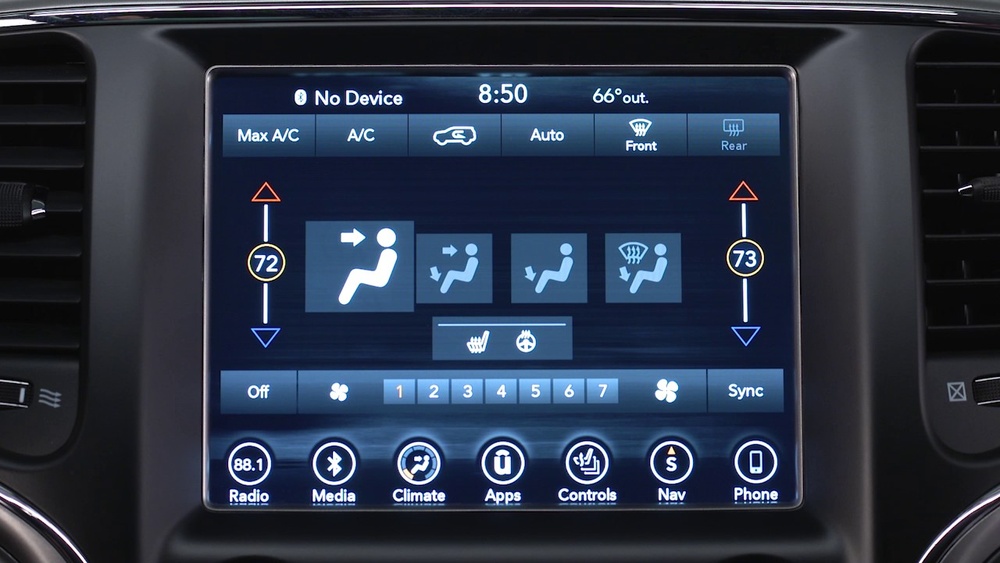
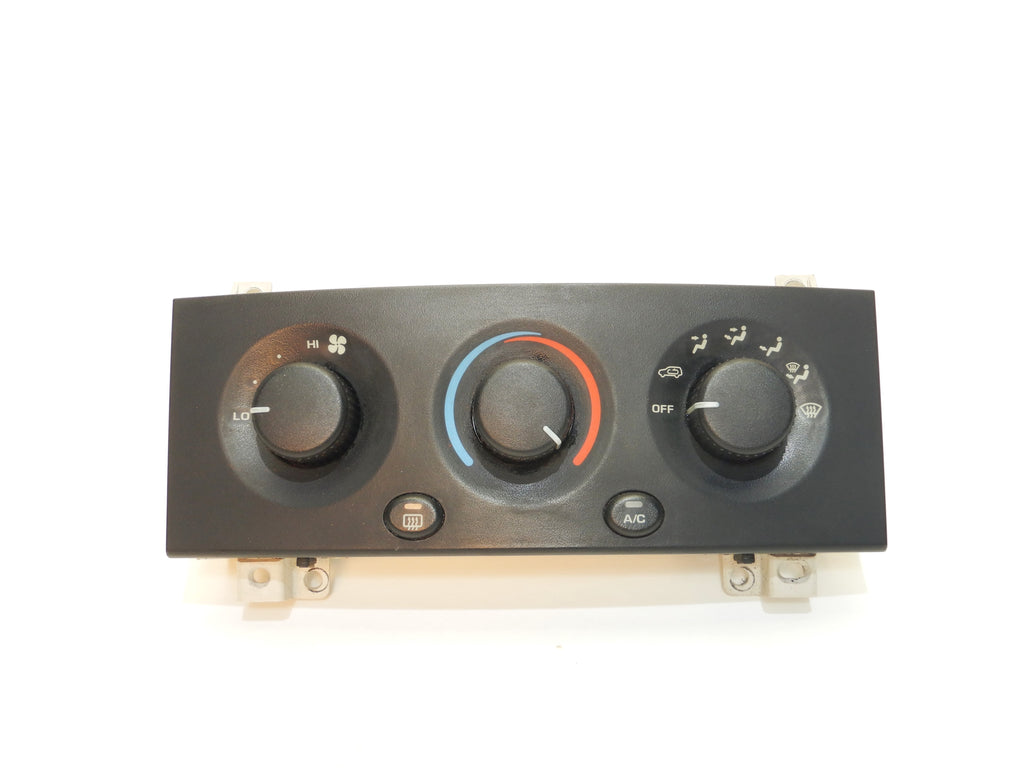
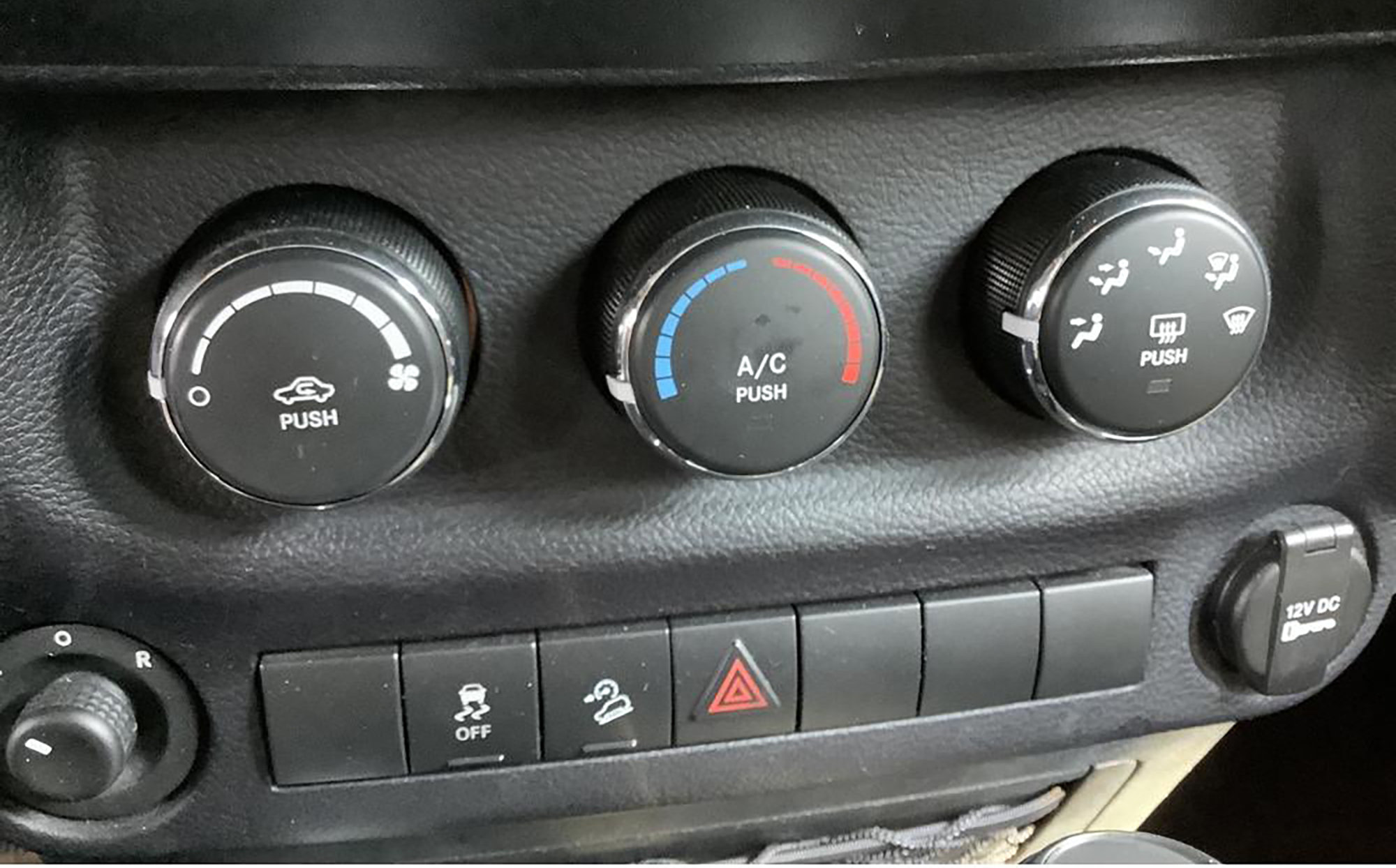
In recent models, controls are on the center console and often duplicated on the touchscreen. Manual systems have physical knobs and buttons.
- Temperature knob or buttons: Adjusts the heat level.
- Fan speed control: Changes air flow.
- Mode selector: Directs air to floor, vents, or windshield.
- Auto button (if available): Sets temperature automatically.
3. Set Desired Temperature
Turn the temperature dial or press the ‘up’ arrow until the display shows your preferred temperature. For maximum heat, set to the highest setting (often “HI”).
4. Adjust Fan Speed
Use the fan control to increase airflow. Higher speeds warm the cabin faster but can be noisy.
5. Choose Airflow Direction
Select where you want heat:
- Floor: Warms feet, most efficient for heating.
- Defrost: Clears windshield.
- Bi-level: Splits air between feet and face.
6. Use Recirculation Wisely
Press the recirculation button to keep warm air inside and block cold outside air. Turn it off occasionally to prevent window fogging.
7. Fine-tune With Advanced Features
Many Grand Cherokees include heated seats and steering wheels. These work separately from the main heat.
- Look for seat and steering wheel icons.
- Press once for on, again for off.
Common Issues And Quick Fixes
Sometimes, the heat doesn’t work as expected. Here’s a quick overview of what could be wrong and how to check.
| Problem | Possible Cause | Quick Solution |
|---|---|---|
| Cold air only | Low coolant, stuck thermostat | Check coolant, visit mechanic |
| No airflow | Blower fuse, fan issue | Check fuse box |
| Foggy windows | Recirculation on too long | Switch to fresh air mode |
Tips For Efficient Heating
Getting the most from your Jeep’s heater isn’t just about turning it on. Here are some insights drivers often miss:
- Warm Up Gently: Let your engine run for 2-3 minutes before blasting the heat. This prevents unnecessary wear and allows the system to work better.
- Don’t Max Out Fan Early: Running the fan at max before the engine warms up just blows cold air.
- Use Auto Mode: Automatic climate systems adjust fan speed and direction for comfort without constant tweaking.
- Clear Air Vents: Keep dashboard and floor vents free from bags or papers for best airflow.
- Check for Software Updates: Modern Jeeps may need occasional software updates for climate control. Ask your dealer during routine service.
Special Features In Newer Models
Recent Grand Cherokees (2022+) offer even more heating options:
- Remote Start: Pre-heats cabin before you enter.
- Rear Passenger Heat: Separate controls for back seats.
- Climate Scheduling: Set your preferred temp and time via the vehicle’s app.
Not all trims include every feature. Always verify what your Jeep offers.
Quick Comparison: Manual Vs Automatic Climate Control
Some drivers prefer simple knobs, others like digital precision. Here’s a side-by-side look:
| Feature | Manual Control | Automatic Control |
|---|---|---|
| Ease of Use | Simple, direct | Set and forget |
| Customization | Limited | High (zones, timers) |
| Speed of Heating | User-controlled | Optimized by system |
Extra Advice: Safety And Comfort
- Never block the windshield with objects; this slows defrosting and can be dangerous.
- If the heat is weak even after warm-up, check for leaks under the car—low coolant can damage the engine.
- For long drives, adjust the temperature every hour. This keeps you alert and comfortable.
If you need more technical details, the official Jeep Owner’s Site offers manuals and support.
Frequently Asked Questions
How Long Does It Take For Heat To Blow Warm In A Jeep Grand Cherokee?
Usually, it takes about 3-5 minutes after starting the engine for warm air to flow. Very cold weather can increase this time slightly.
Why Does My Grand Cherokee’s Heater Blow Cold Air?
Common reasons include low coolant, thermostat issues, or a blocked heater core. Check fluid levels first. If the problem continues, have a mechanic inspect the system.
Can I Turn On The Heat Without The Engine Running?
No, the heating system depends on the engine’s coolant circulation. The fan may work, but only cold air will blow if the engine is off.
What Temperature Should I Set For Best Comfort?
Most people find 68–72°F (20–22°C) comfortable in winter. Adjust for personal preference and clothing.
Is It Safe To Use Recirculation Mode All The Time?
No, using recirculation mode too long can cause windows to fog and air to feel stale. Switch to fresh air mode after 10–15 minutes.
With these steps and tips, you’ll get the most out of your Jeep Grand Cherokee’s heating system. Staying comfortable is about using the right settings and knowing your vehicle’s features. If the heat isn’t working as expected, a quick check or professional help can solve most issues quickly.