Taking the back part off a Jeep is a popular task among Jeep owners. Whether you want fresh air, more sunlight, or easier cargo access, removing the rear section can transform your driving experience. But if you haven’t done this before, it can feel confusing.
This guide will walk you through the process step-by-step, highlight what to watch out for, and give practical advice to make sure you do it safely and smoothly.
Understanding Your Jeep’s Rear Section
The back part of a Jeep usually refers to the hardtop or soft top roof and sometimes the rear doors. The method depends on your model—Wrangler, Gladiator, or others—and whether you have a hardtop or soft top.
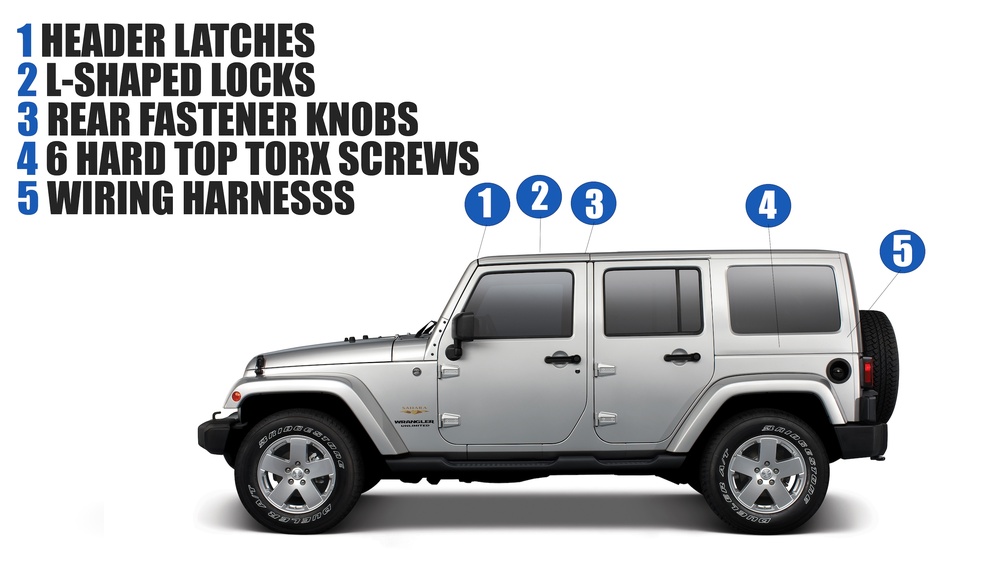
- Hardtop: Made of molded plastic or fiberglass. Heavier and more secure.
- Soft top: Made of fabric and lightweight frame. Easier to remove but less weatherproof.
Here’s a quick comparison of the two types:
| Feature | Hardtop | Soft Top |
|---|---|---|
| Weight | Heavy (70-100 lbs) | Light (30-40 lbs) |
| Weather Protection | Excellent | Moderate |
| Ease of Removal | Harder | Easier |
Knowing which type you have will help you prepare the right tools and steps.
Tools And Preparation
Before starting, gather these essential tools and supplies:
- Torx bit set (usually T40 or T50)
- Screwdriver
- Storage bags for screws and small parts
- Soft cloths to protect paint
- A friend (for heavy hardtops)
- Step stool (for higher Jeeps)
Check your Jeep’s manual for exact screw sizes and removal points. Always work on a flat surface and keep children and pets away.

Step-by-step Removal Process
The process varies by top type and model, but most follow these main steps.
1. Removing A Hardtop
- Disconnect electrical connections: If your hardtop has a rear wiper or defroster, unplug the connectors in the trunk area. Some models have a quick-release plug.
- Remove bolts: Using a Torx bit, unscrew bolts around the base and near the rear doors. There are usually 6–8 bolts.
- Lift the hardtop: With a friend, gently lift the top off. Hardtops are heavy—lifting alone can cause injury or damage.
- Store carefully: Place the hardtop on a soft surface. Avoid resting it on its edges.
2. Removing A Soft Top
- Unzip windows: Remove rear and side windows by unzipping and unclipping.
- Release latches: Unlock the latches at the front and rear.
- Fold back frame: Collapse the frame slowly, letting the fabric fold neatly.
- Store windows and top: Keep windows flat to prevent warping.
3. Removing Rear Doors (optional)
For full open-air experience, you can also remove the rear doors.
- Lower windows: This reduces pressure on glass.
- Unscrew hinge bolts: Use the Torx bit to remove bolts from the door hinges.
- Disconnect wiring: Unplug any door wiring using the quick-release under the dashboard.
- Lift off door: Hold the door firmly and lift straight up.
Here’s a handy data table comparing the time needed for each task:
| Task | Estimated Time |
|---|---|
| Hardtop removal | 30–40 minutes |
| Soft top removal | 15–20 minutes |
| Rear doors removal | 10–15 minutes |
Tips For Safe Removal And Storage
- Label all bolts and parts. Store them in separate bags.
- Use a hoist system for hardtops if you plan to remove it often.
- Never force parts—if something sticks, double-check for missed bolts.
- Protect paint with cloths or foam pads when removing and storing.
- If you remove doors, keep them upright to avoid damaging hinges.
An important insight: Many beginners forget about the electrical connectors for the hardtop. If you skip disconnecting them, you risk damaging wires, which can be expensive to fix. Also, make sure you keep all bolts together—losing just one can make reinstallation tricky.
Common Mistakes To Avoid
- Rushing the process: Taking shortcuts can lead to scratches or broken parts.
- Removing alone: Hardtops are too heavy for one person. Always get help.
- Ignoring weather: If rain is coming, wait. Soft tops offer little protection.
- Misplacing screws: Use bags or containers, and label them.
- Forgetting to check legal requirements: In some states, driving without doors or a roof may be illegal.
Benefits And Drawbacks
Removing the back part has clear advantages:
- Open-air driving: Enjoy fresh air and sunshine.
- Easy cargo access: Useful for camping or moving large items.
- Personal style: Many Jeep fans love the rugged look.
But there are drawbacks:
- Less weather protection: Rain, dust, and dirt can enter more easily.
- Security risk: Items in your Jeep are more visible and accessible.
- Noise: The ride can be louder without the top.
Here’s a simple comparison of benefits vs drawbacks:
| Benefits | Drawbacks |
|---|---|
| Fresh air | Less protection |
| Easy access | More noise |
| Cool look | Security risk |

After Removal: What To Do Next
Once you’ve taken off the back part, check these important steps:
- Inspect the seals and connection points for damage.
- Store all removed parts safely—away from sun and rain.
- Check local laws about driving without certain parts.
- Consider adding side mirrors if you remove doors, as required by law.
- Plan for reinstallation—keep your tools and parts organized.
For more detailed info about Jeep modifications and legal requirements, see Jeep Official Site.
Frequently Asked Questions
Can I Remove The Back Part Of A Jeep By Myself?
It’s possible with a soft top, but not recommended for hardtops. Hardtops weigh up to 100 lbs and are awkward to lift alone. Always ask a friend for help.
Will Removing The Back Part Void My Jeep’s Warranty?
Usually, it won’t void your warranty if you follow the manufacturer’s instructions. However, damage caused by improper removal may not be covered. Always check your Jeep’s warranty terms.
How Do I Store The Hardtop Safely?
Store the hardtop on a flat, padded surface. Avoid standing it on its edges. Some owners use wall mounts or hoist systems to keep it off the ground and prevent scratches.
What Should I Do If I Lose A Bolt?
Try to find the exact replacement from your local dealer or hardware store. Using the wrong bolt can cause damage or unsafe installation.
Is It Legal To Drive Without The Rear Doors Or Top?
Laws vary by state. Some require side mirrors if doors are removed, and some restrict driving without a roof. Check your local regulations before making changes.
Taking the back part off your Jeep isn’t difficult if you plan ahead and follow these steps. It gives you a unique driving experience and makes your Jeep stand out. With careful handling and attention to details, you can enjoy open-air adventures safely and confidently.