Removing rusted license plate screws can seem frustrating, especially if the screws won’t budge or the heads are stripped. This problem is common in areas with high humidity, road salt, or older vehicles. But with the right tools, techniques, and a little patience, you can safely remove rusted screws without damaging your license plate or vehicle. This guide covers practical steps, useful tips, and real-world examples to help you get the job done—even if you’re new to car maintenance.
Understanding Why License Plate Screws Rust
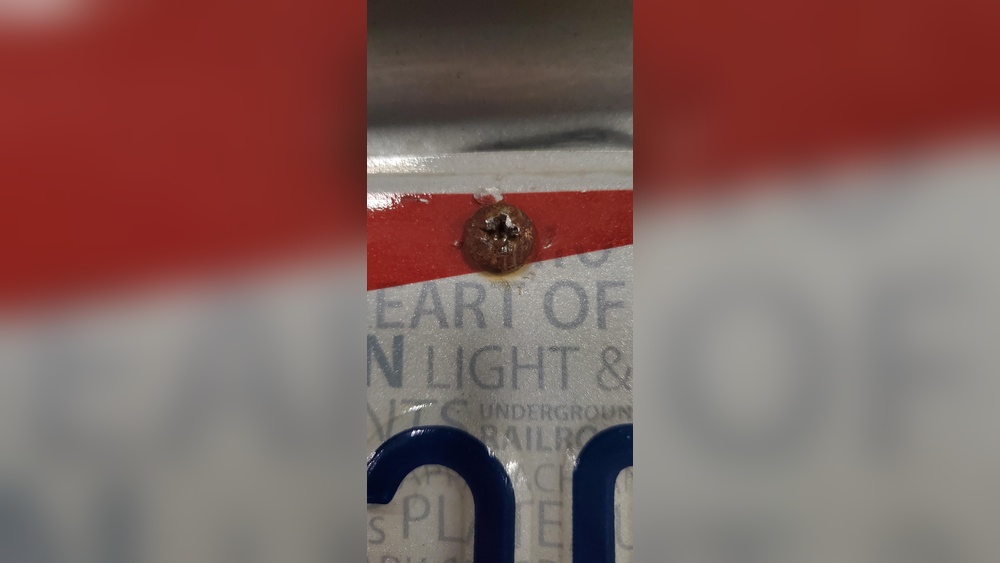
License plate screws are exposed to weather, road debris, and salt. Over time, moisture and salt cause metal screws to corrode, forming rust. Rust creates friction between the screw and the metal plate, making removal difficult. In many cases, the screw head also becomes damaged, which makes using a standard screwdriver impossible.
According to the National Highway Traffic Safety Administration, rust-related issues affect 1 in 5 vehicles in regions with heavy winter road salt. If you notice brown or orange stains around your license plate, it’s likely your screws are rusted.
What You Need Before Starting
Gathering the right tools is essential. Here’s what you’ll need for most situations:
- Penetrating oil (like WD-40 or PB Blaster)
- Phillips or flathead screwdriver
- Socket wrench or pliers
- Wire brush
- Hammer (optional)
- Drill with screw extractor bit (for severe cases)
- Protective gloves
- Safety goggles
A wire brush helps remove loose rust and debris. Penetrating oil breaks down rust, making screws easier to turn. In tough cases, a screw extractor can help remove stripped screws.
Step-by-step Guide To Removing Rusted Screws
Let’s break down the process into clear steps. Each step is important—skipping one may make the job harder or risk damaging your vehicle.
Step 1: Clean The Area
Use a wire brush to scrub around the screws. Removing surface rust lets the oil penetrate better. It also prevents rust particles from falling into screw holes.
Step 2: Apply Penetrating Oil
Spray penetrating oil directly onto the screw heads and threads. Wait at least 15 minutes (up to an hour for heavy rust). This oil helps loosen the bond between the screw and plate.
Step 3: Try Manual Removal
Use the correct screwdriver. Apply firm, steady pressure. Turn slowly to avoid stripping the screw. If the screw doesn’t move, don’t force it—forcing can strip the head or snap the screw.
Step 4: Tap For Loosening
Lightly tap the screw head with a hammer. This vibration can break the rust bond. Don’t hit too hard, as this may damage the plate or surrounding paint.
Step 5: Use Pliers Or A Socket Wrench
If the screw head is sticking out, grip it with pliers or use a socket wrench. Turn gently. If you feel resistance, add more penetrating oil and wait.
Step 6: Extract Stripped Screws
If the head is stripped, use a screw extractor bit attached to a drill. Follow the bit’s instructions and turn counterclockwise. This tool is designed to grip and remove stubborn screws.
Step 7: Clean Screw Holes
Once removed, clean the holes with a wire brush. This prevents future rust and makes installing new screws easier.
Comparing Methods For Removing Rusted Screws
Different methods work better depending on the screw’s condition. Here’s a quick comparison:
| Method | Best For | Success Rate | Potential Risks |
|---|---|---|---|
| Penetrating Oil | Light to moderate rust | 75% | Minimal |
| Pliers/Wrench | Screw head accessible | 60% | Scratching plate |
| Screw Extractor | Severe rust/stripped heads | 85% | Damaging hole |
| Hammer Tap | Stubborn screws | 40% | Paint chipping |

Tips For Preventing Rust In The Future
Once you’ve removed rusted screws, you’ll want to prevent this problem from happening again. Here are proven ways to keep your license plate screws rust-free:
- Use stainless steel screws: They resist rust much better than standard steel.
- Apply anti-seize lubricant: Coat new screws before installing. It creates a barrier against moisture.
- Wash your car regularly: Especially in winter, cleaning removes salt and debris.
- Check screws annually: Early rust is easier to treat.
- Use screw caps: These plastic covers block water and salt.
According to a study by Consumer Reports, stainless steel screws last up to 5 times longer in salty environments.
Common Mistakes To Avoid
Many beginners damage their license plate or vehicle by making simple mistakes. Avoid the following:
- Using the wrong screwdriver: This strips the screw head quickly.
- Applying too much force: This can break the screw or damage the plate.
- Skipping oil application: Dry screws are much harder to remove.
- Not wearing safety gear: Rust particles can cause eye irritation.

Example: Removing Rusted Screws On A 2010 Honda Civic
Let’s look at a real example. A 2010 Honda Civic parked outdoors had rusted license plate screws. After spraying penetrating oil and waiting 30 minutes, the owner used a screwdriver but couldn’t turn the screws. A hammer tap loosened one screw; pliers removed the second.
Both screw holes were cleaned with a wire brush. Stainless steel screws replaced the old ones.
The entire process took about 45 minutes. No damage occurred, and new screws were installed easily.
Comparison Of Screw Types
Choosing the right replacement screws matters. Here’s a quick look at common types:
| Type | Rust Resistance | Cost (per set) | Availability |
|---|---|---|---|
| Stainless Steel | High | $3–$5 | Most auto stores |
| Galvanized Steel | Medium | $2–$4 | Auto stores |
| Standard Steel | Low | $1–$2 | Widespread |

Frequently Asked Questions
What Is The Best Penetrating Oil For Rusted Screws?
The most popular brands are WD-40 and PB Blaster. Both break down rust effectively. PB Blaster often works faster on heavy rust. For more details on penetrating oils, see Wikipedia.
How Long Should I Wait After Applying Penetrating Oil?
It’s best to wait at least 15–30 minutes. For severe rust, waiting up to an hour allows the oil to penetrate deeper and makes removal easier.
What If The Screw Head Is Stripped?
Use a screw extractor bit with a drill. These bits grip stripped heads and turn them out. Always follow the tool’s instructions carefully.
Can I Use Household Items To Remove Rusted Screws?
Yes. Vinegar or baking soda can loosen light rust but usually aren’t strong enough for severe cases. They’re most useful for cleaning after screw removal.
How Do I Know If I Need Professional Help?
If the screw is deeply rusted and removal risks damaging your car, seek a mechanic. Professional tools may be needed for severe corrosion.
Removing rusted license plate screws is a manageable task with the right tools and knowledge. By following each step, using proven methods, and avoiding common mistakes, you can protect your vehicle and ensure your license plate stays secure. Remember, prevention is easier than repair—so invest in quality screws and regular maintenance.