Getting a flat tire can happen to anyone, anywhere. Knowing how to take the spare tire off your vehicle quickly can make a stressful situation much easier. Whether you drive a sedan, SUV, or truck, the process is similar, but small differences can trip up beginners. This guide explains the steps, tools, and common mistakes, so you’ll feel confident next time you need your spare.
Understanding Your Spare Tire Location
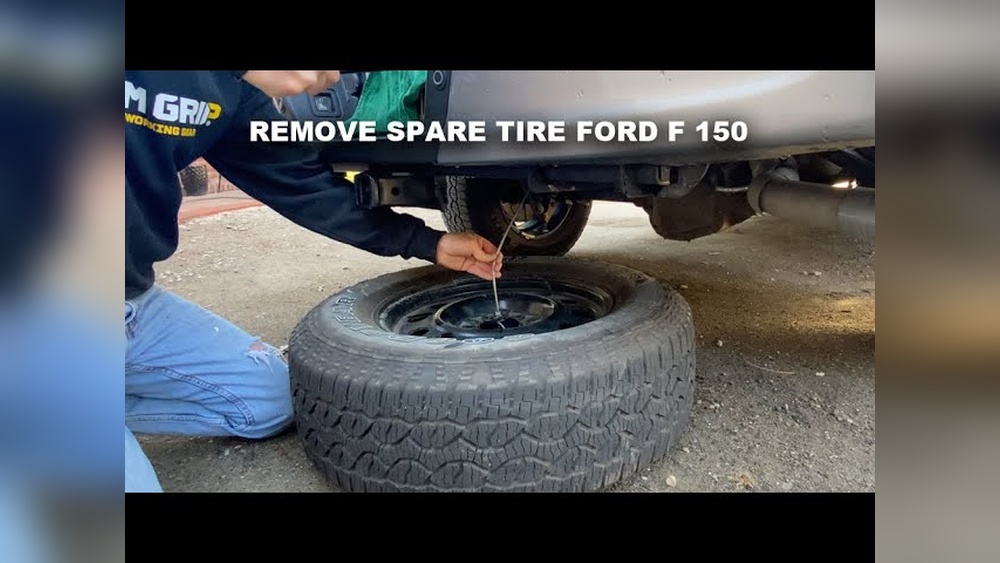
The first step is to find where your spare tire is stored. Most passenger cars keep the spare tire in the trunk, under a panel or mat. SUVs and trucks often have the spare mounted underneath the rear of the vehicle.
Here’s a quick comparison of common spare tire locations:
| Vehicle Type | Spare Tire Location | Access Difficulty |
|---|---|---|
| Sedan | Trunk (under panel) | Easy |
| SUV | Rear hatch (under panel) or under vehicle | Medium |
| Pickup Truck | Under truck bed | Challenging |
| Minivan | Under floor or under vehicle | Medium |
If you’re unsure, check your owner’s manual. Some vehicles use special tools to lower the spare from underneath.
Tools You’ll Need
To take off the spare tire, you’ll need:
- Lug wrench (usually included with your car)
- Jack
- Wheel lock key (if your spare is secured with a lock)
- Gloves (optional, keeps hands clean)
- Flashlight (at night or low light)
Missing tools are a common mistake. Always check your trunk or storage compartment before you need them.
Step-by-step Guide: Removing The Spare Tire
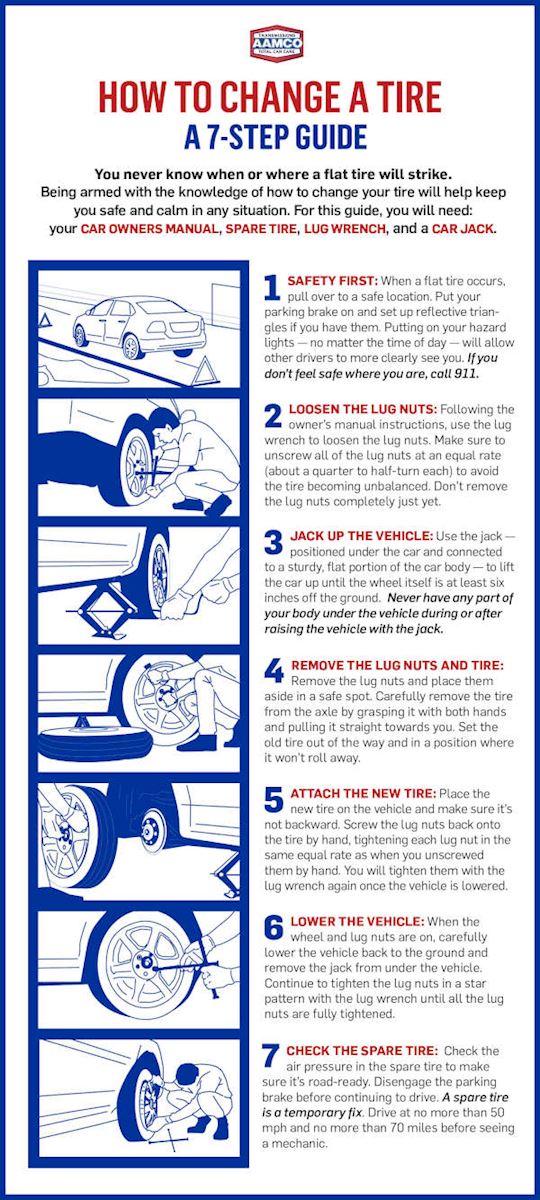
Let’s break down the process, step by step. Each detail matters, especially if you’ve never done it before.
1. Park Safely
Move your car to a flat surface. Set the parking brake. Turn on hazard lights.
2. Locate The Spare Tire
Open the trunk or rear hatch. Find the panel covering the tire, or look under the vehicle.
3. Remove Any Cover Or Panel
Lift or unscrew the panel. In some SUVs, you may need to release clips.
4. Access The Spare Tire Mount
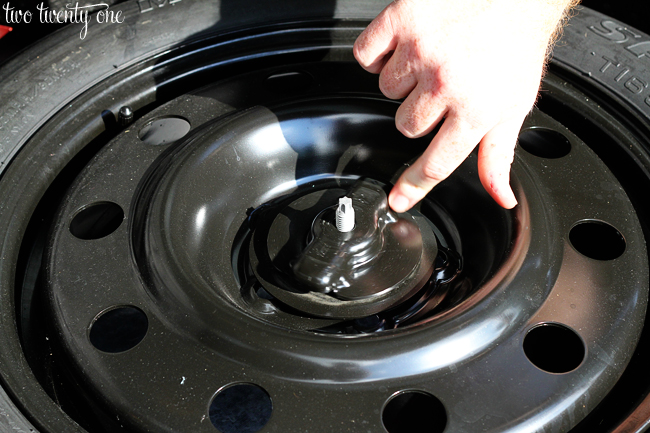
For trunk-stored tires, unscrew the large bolt or fastener holding the tire. For under-vehicle spares, use the lowering tool (often a long rod) to turn the mechanism that lowers the tire.
Here’s a comparison of trunk vs under-vehicle spare tire removal:
| Step | Trunk Spare | Under-Vehicle Spare |
|---|---|---|
| Access | Lift panel | Find lowering hole near bumper |
| Release | Unscrew fastener by hand | Use tool to lower cable |
| Remove | Lift tire out | Pull tire out from under vehicle |
5. Remove The Spare Tire
After releasing the fastener or lowering the tire, carefully lift it out. If it’s under the vehicle, slide it out from beneath the car.
6. Inspect The Spare Tire
Look for visible damage or low air pressure. Many spares lose air over time, so check with a gauge if possible.
Tips For Smooth Removal
- Practice at home before you need your spare. This builds confidence.
- Use the right tool for under-vehicle spares. Some vehicles require a custom rod or key.
- Keep your hands clear of moving parts, especially when lowering the tire.
- Don’t rush; forcing parts can cause damage.
One non-obvious tip: if your spare tire is stuck (especially after years of neglect), gently wiggle it or tap the mounting area with a rubber mallet. Rust and dirt can cause tires to stick.
Common Mistakes And How To Avoid Them
Many people struggle with taking the spare tire off because of simple errors. Here’s what to watch out for:
1. Forgetting The Wheel Lock Key
If your spare is secured with a lock, you’ll need the key. Keep it with your jack or wrench.
2. Not Checking Air Pressure
A spare tire can be useless if flat. Check the pressure monthly.
3. Using The Wrong Tool
Some under-vehicle spare tires require a unique tool. Make sure it’s in your kit.
4. Ignoring Safety
Always park on level ground and turn on hazard lights.
5. Damaging The Cable Mechanism
For under-vehicle spares, forcing the lowering mechanism can break the cable. Lubricate it occasionally.
Data: Spare Tire Usage In The Us
According to the National Highway Traffic Safety Administration, about 15% of vehicles on US roads have a flat tire each year. Over 30% of drivers say they’ve never checked their spare tire’s air pressure. These numbers highlight how important it is to maintain your spare and know how to take it off quickly.
When To Seek Professional Help
If your spare tire is badly stuck, rusted, or you lack the right tools, it’s best to call roadside assistance. Many insurance plans include this service. Don’t risk injury or damage by forcing parts.
For more advanced tips and vehicle-specific instructions, visit Consumer Reports.
Frequently Asked Questions
How Often Should I Check My Spare Tire?
You should check your spare tire’s air pressure and condition every month. This prevents unpleasant surprises when you need it most.
What If My Spare Tire Is Locked And I Lost The Key?
If you lost the wheel lock key, contact your car dealer or a locksmith. Some wheel locks have serial numbers for replacement keys.
Can I Use Any Tool To Lower An Under-vehicle Spare?
No. Many vehicles need a special tool or rod to lower the spare. Always keep the original tool in your car.
Is It Safe To Drive On A Spare For Long Distances?
Most spare tires (especially “donuts”) are made for short distances—usually up to 50 miles and at speeds below 50 mph. Replace your regular tire as soon as possible.
What Should I Do If The Spare Tire Is Stuck?
Try gently wiggling the tire or tapping the mounting area with a rubber mallet. If it doesn’t move, avoid forcing it and call for help.
Knowing how to take your spare tire off is simple once you understand the steps. Practicing at home, keeping tools ready, and checking your spare regularly make the process quick and safe. Next time you face a flat, you’ll be prepared and calm.