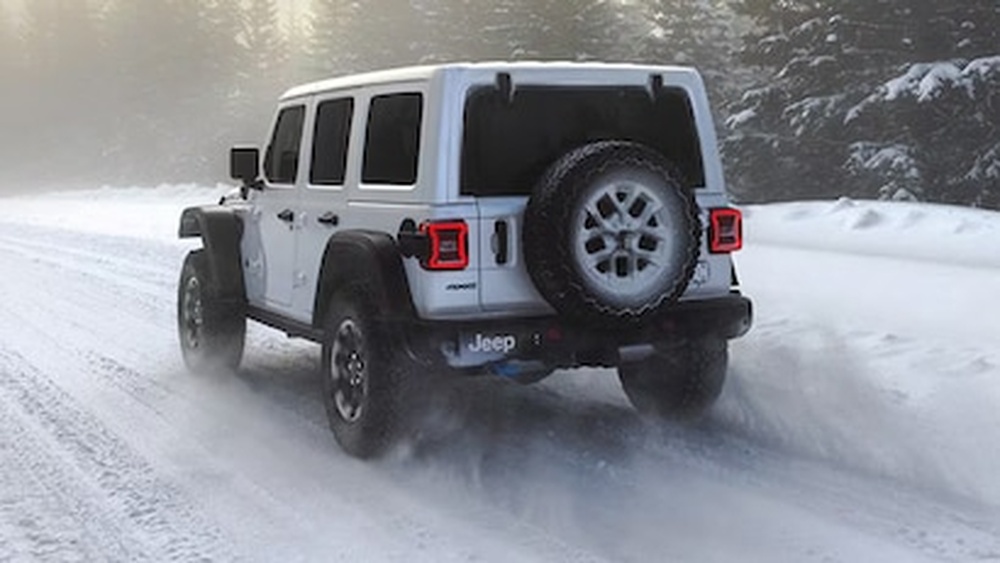
Driving in winter can be challenging, especially when roads are covered in snow and ice. Many drivers wonder if the Jeep Wrangler is a good choice for snowy conditions. With its rugged design and reputation for off-road performance, the Wrangler seems built for tough weather. But how does it actually perform when winter hits? This article explores the strengths and weaknesses of Jeep Wranglers in snow, backed by data, expert advice, and real-world comparisons.
Jeep Wrangler Features For Snow Driving
The Jeep Wrangler offers several features that help it handle snow better than most vehicles. One of the most important is four-wheel drive (4WD). Most Wranglers come with part-time or full-time 4WD, which helps distribute power to all four wheels, giving more grip on slippery surfaces.
Many models also have high ground clearance—usually around 10.8 inches. This means the Wrangler can drive over deeper snow without getting stuck, unlike low-slung sedans or sports cars. The short wheelbase improves maneuverability, making it easier to avoid obstacles and turn quickly.
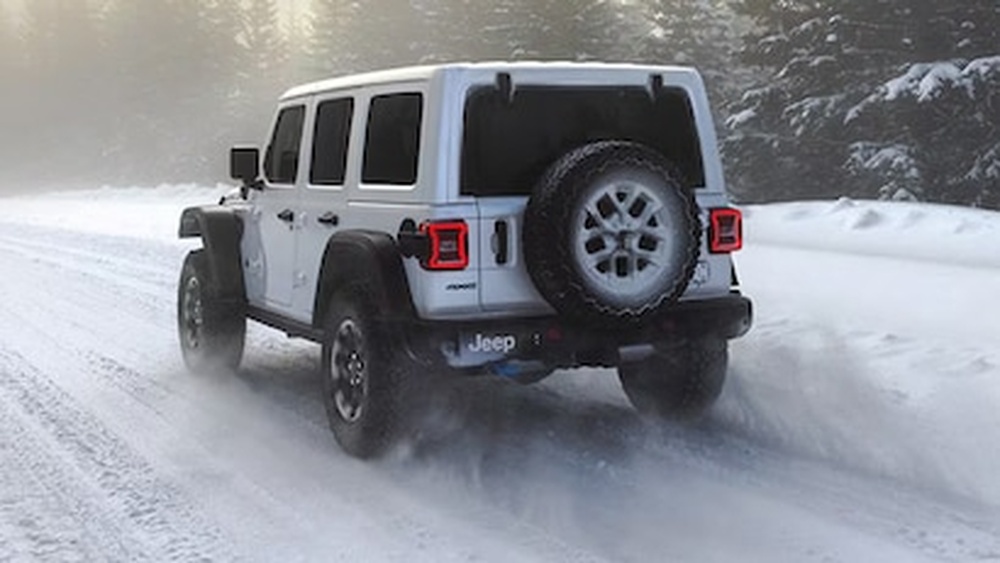
Another useful feature is the traction control system. This system detects when wheels start slipping and adjusts power to restore grip. Advanced Wranglers also have hill descent control, which helps maintain a steady speed on steep, snowy slopes.
Real-world Performance: Wranglers Vs Other Suvs
To understand how Jeep Wranglers compare to other vehicles in snow, it’s helpful to look at data and real-world tests. The Wrangler often ranks high among SUVs for winter handling, but it is not always the leader in every category.
| Vehicle | Snow Traction (1–10) | Ground Clearance (inches) | Winter Features |
|---|---|---|---|
| Jeep Wrangler | 9 | 10.8 | 4WD, traction control |
| Toyota 4Runner | 8 | 9.6 | 4WD, stability control |
| Ford Explorer | 7 | 8.2 | AWD, snow mode |
| Honda CR-V | 6 | 8.2 | AWD, traction control |
As the table shows, the Wrangler scores very well for snow traction and ground clearance. This makes it ideal for areas where heavy snow is common.

Tire Choices And Their Impact
Even the best 4WD system can struggle if the tires are wrong. Wranglers usually come with all-terrain tires, which are decent for mild snow. However, winter tires improve grip and braking on icy surfaces by up to 40% compared to all-season tires.
Some drivers use mud-terrain tires, but these are not great for snow. Mud tires can become stiff in cold weather and lose traction. For frequent snow driving, experts recommend dedicated winter tires.
| Tire Type | Snow Grip (1–10) | Braking Distance (ft, 20 mph) |
|---|---|---|
| Winter Tire | 10 | 40 |
| All-Terrain Tire | 7 | 58 |
| Mud-Terrain Tire | 5 | 65 |
| All-Season Tire | 6 | 62 |
This comparison shows the clear advantage of winter tires for snow driving, especially in braking.
Common Challenges And Solutions
Wranglers handle snow well, but there are some drawbacks. The boxy shape and high center of gravity can make them less stable on icy roads at high speeds. Some models have a light rear end, which can slide in slippery conditions.
Here are some practical tips to improve safety and performance:
- Use winter tires: This is the single most important upgrade.
- Drive slower: The Wrangler’s rugged build does not prevent sliding on ice.
- Engage 4WD early: Don’t wait until you’re stuck—use 4WD when snow starts.
- Avoid sudden moves: Quick turns or stops can cause skidding.
- Check tire pressure: Cold weather lowers pressure; keep tires properly inflated.
- Add weight in the back: For two-door models, a small sandbag can improve rear grip.
One insight many beginners miss is that 4WD does not help you stop faster. It’s great for moving, but braking depends on tires and road conditions. Another common mistake is overconfidence; even with a Wrangler, it’s possible to get stuck or slide if you ignore basic winter driving rules.

Wrangler Models: Which Are Best For Snow?
Not all Wranglers are equal in winter. The Rubicon model has extra features like locking differentials and better off-road tires, making it a top choice for deep snow. The Sport and Sahara models perform well, but may lack some advanced features.
Newer models (2018 and later) have improved insulation and heating systems, which makes cold weather driving more comfortable. Older Wranglers may have less effective heating and defrosting.
| Wrangler Model | Snow Handling | Extra Features |
|---|---|---|
| Rubicon | Excellent | Locking differentials, all-terrain tires |
| Sahara | Good | 4WD, traction control |
| Sport | Average | Basic 4WD |
The Rubicon stands out, especially for rural or mountain areas with heavy snow.
Safety And Comfort In Winter
Jeep Wranglers are safe in snow if driven responsibly. The strong frame and modern airbags protect passengers in case of an accident. Heating systems in newer models warm up quickly, and heated seats are available in some trims.
Visibility can be a problem if snow builds up on the windshield. Wranglers have strong wipers, but drivers should clear all snow and ice before driving. The short windshield can make ice scraping easier.
Some Wranglers have remote start and heated steering wheels, which make winter mornings more comfortable. For long trips, consider carrying a snow shovel, tow strap, and emergency kit.
Frequently Asked Questions
How Does The Jeep Wrangler Perform On Icy Roads?
The Wrangler’s 4WD helps with traction, but stopping and turning on ice depends mostly on the tires. Winter tires and slow, careful driving are essential for safety.
Can I Use My Jeep Wrangler With Standard Tires In Heavy Snow?
Standard all-terrain tires are fine for light snow, but for deep or icy conditions, winter tires are much safer. They offer better grip and shorter stopping distances.
Is The Jeep Wrangler A Good Vehicle For Mountain Snow?
Yes, especially the Rubicon model. Its high ground clearance and locking differentials handle mountain snow well. Always check weather and road conditions before heading out.
Do Wranglers Have Problems With Cold Starts In Winter?
Modern Wranglers start reliably in cold temperatures. Older models may need battery upgrades or use of remote start for easier cold starts.
What Wrangler Features Help Most In The Snow?
The most helpful features are 4WD, traction control, high ground clearance, and winter tires. Heated seats and remote start add comfort but don’t affect safety.
A Jeep Wrangler is a strong winter vehicle, but choosing the right tires and driving carefully are just as important as its rugged design. For more technical details about winter driving safety, visit NHTSA Winter Driving Tips. With preparation and smart driving, the Wrangler can be one of the best choices for snowy roads.