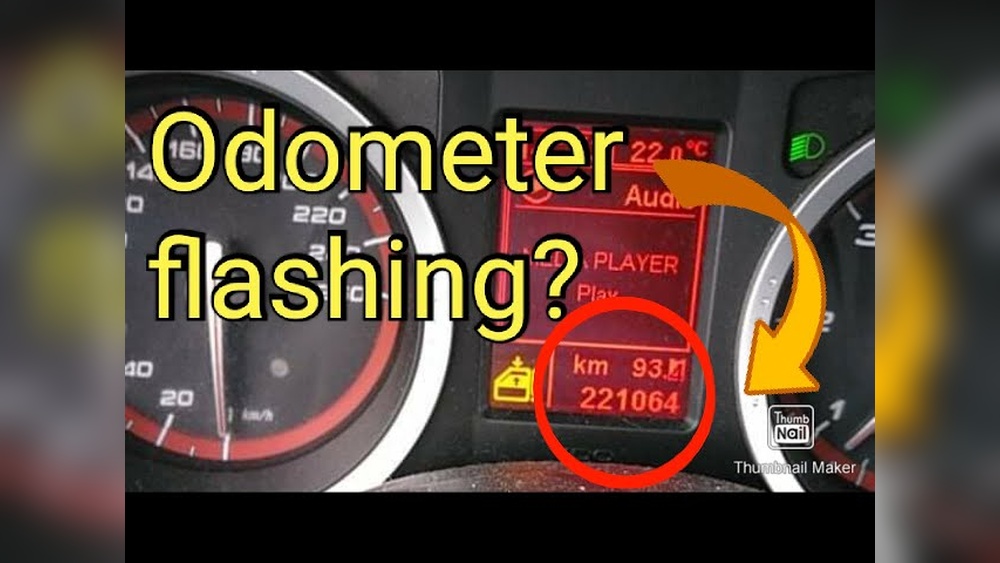
A blinking odometer can be worrying, especially if you rely on your car’s mileage for service schedules or resale value. This issue is common in many vehicles, especially those with digital dashboards. The blinking is often a sign that something is wrong with the instrument cluster’s communication or settings.
If ignored, you might face problems with your car’s information display, or even legal issues if you need to prove mileage. This article explains why odometers blink, how to fix them, and what mistakes to avoid.
Why Does The Odometer Blink?
Most modern cars use a digital odometer. When the odometer blinks, it often means the system is not reading information correctly. This can be caused by:
- A lost connection between the dashboard and the car’s computer
- Incorrect settings after battery change or jump-start
- Software glitches or failed updates
- Faulty wiring or a damaged instrument cluster
In some models, especially from brands like Fiat, Chrysler, and Nissan, a blinking odometer is a sign of a communication error in the CAN bus system. This is a data network connecting different parts of your car.
Quick Troubleshooting Steps
Before spending money on repairs, try these simple steps:
- Turn the ignition off and on. Sometimes, restarting the car fixes minor glitches.
- Check the battery terminals. Loose or corroded terminals can disrupt dashboard communication.
- Inspect dashboard fuses. Replace any blown fuses related to the instrument cluster.
- Disconnect and reconnect the battery. Leave it disconnected for at least 10 minutes, then reconnect. This can reset some settings.
If these steps don’t work, the problem might be deeper.
Common Causes And Solutions
Let’s look at the main reasons for a blinking odometer and how to fix them.
Software Sync Issues
After replacing the battery, jump-starting, or updating software, the car’s control modules can lose sync.
- Solution: Use a diagnostic tool like OBD-II scanner to check for errors. Many garages can reset the dashboard using specialized software.
Faulty Instrument Cluster
The instrument cluster is the panel with your speedometer, odometer, and other gauges. If damaged, it can cause blinking.
- Solution: Remove the cluster and inspect for loose connectors or burnt circuits. In many cases, re-seating the connectors fixes the issue.
Can Bus Communication Error
CAN bus errors are common in modern cars. If a module fails, it can disrupt data flow and cause odometer blinking.
- Solution: Scan the car’s computer system for error codes. If a module is faulty, replace or reprogram it.
Aftermarket Parts Or Modifications
Installing non-original parts, like a new radio or alarm, can interfere with dashboard communication.
- Solution: Remove aftermarket parts and check if the odometer stops blinking. Use only compatible accessories.
Professional Repair Vs Diy
You might wonder whether to fix the blinking odometer yourself or go to a professional. Here’s a comparison:
| DIY Repair | Professional Service |
|---|---|
| Lower cost | Higher cost |
| Requires tools and technical skills | Expert diagnosis |
| Risk of causing more issues | Warranty and guarantee |
| Limited access to advanced equipment | Access to factory tools/software |
If you’re comfortable with basic car repairs, you can try simple fixes. For software or wiring issues, professional help is best.
Step-by-step Guide To Fix Blinking Odometer
Follow these steps for a systematic fix:
- Identify the car model and dashboard type. Some cars require special tools.
- Check for error codes using an OBD-II scanner.
- Inspect wiring and connectors behind the instrument cluster.
- Reset the dashboard by disconnecting the battery for 10 minutes.
- Update or reprogram software if needed.
- Replace faulty modules only after confirming with diagnostics.
- Test the odometer after each step.
If the odometer keeps blinking, stop and seek professional help.
Data: Most Affected Car Brands
Some brands are more prone to this issue. Here’s a quick comparison:
| Brand | Frequency of Issue | Typical Cause |
|---|---|---|
| Fiat | High | CAN bus sync error |
| Nissan | Medium | Battery replacement glitch |
| Chrysler | Medium | Software update error |
| Ford | Low | Cluster wiring issue |

Common Mistakes To Avoid
Many beginners make these errors:
- Ignoring blinking odometer for months
- Using incompatible aftermarket parts
- Not checking error codes before repairs
- Disconnecting battery without proper safety steps
One non-obvious insight: A blinking odometer may affect other dashboard functions, like warning lights or trip computer. Always check the full display after repairs.
Another tip: Don’t try to fix the odometer by guessing. Use diagnostics whenever possible. Guesswork can lead to expensive mistakes.
When To Seek Professional Help
If you see:
- Persistent blinking after basic fixes
- Error codes related to communication modules
- Dashboard warning lights (ABS, airbag, etc.)
- Signs of water damage or burnt circuits
Visit a certified mechanic. Advanced tools and software may be required. For deeper reading, see Autoblog.

Frequently Asked Questions
What Does A Blinking Odometer Mean?
A blinking odometer usually indicates a communication error between the dashboard and the car’s computer. It can also signal software issues or faulty wiring.
Can I Drive With A Blinking Odometer?
Yes, but it’s not recommended. A blinking odometer might affect other dashboard functions and may cause problems during inspections or resale.
How Much Does Professional Repair Cost?
Costs vary. Simple software resets can be $50–$150. Replacing an instrument cluster or module can cost $300–$700, depending on your car model.
Will Fixing The Odometer Erase My Mileage?
No. Most fixes do not change the actual mileage stored in the computer. Only replacing the cluster with a new unit might require mileage programming.
Can A Blinking Odometer Be Caused By Diy Battery Changes?
Yes. Improper battery replacement or jump-starting can cause dashboard sync errors. Always follow your car’s battery replacement instructions.
A blinking odometer is more than just an annoyance. It’s a signal to check your car’s systems and ensure everything is working correctly. Fixing it quickly can prevent further dashboard problems and help keep your car reliable. If simple steps don’t solve the issue, consult a professional for a thorough diagnosis and repair.