Maintaining your Jeep Wrangler is crucial for keeping it reliable, especially if you enjoy off-road adventures or daily driving. One important task is resetting the oil change indicator after you’ve changed the oil. If the light stays on, it can confuse you, making you wonder if there’s a problem. Thankfully, resetting the oil change light is simple and doesn’t require special tools or a mechanic. This guide will help you do it yourself, saving time and money. You’ll learn the steps for different Jeep Wrangler models, common mistakes to avoid, and why this process matters.
Understanding The Oil Change Indicator
The oil change indicator is more than just a reminder. It’s a system that tracks your Jeep’s usage and alerts you when an oil change is needed. Most newer Jeep Wranglers use sensors to monitor driving conditions and engine hours, not just mileage. If you don’t reset the light after changing the oil, your Jeep may give false alerts or miss the next scheduled reminder. This could lead to engine wear if you delay future oil changes.
How Does It Work?
- Uses engine data to estimate oil life
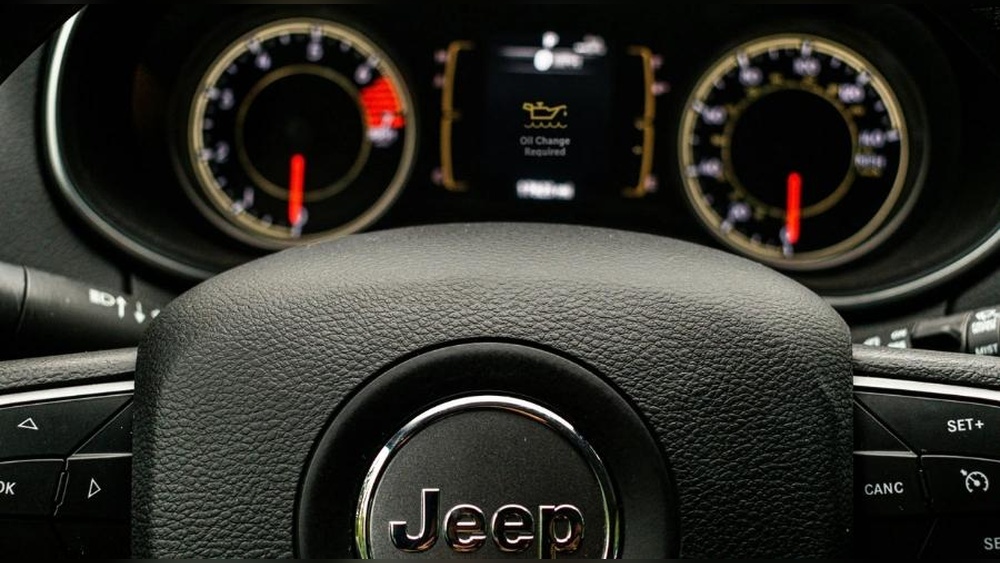
- Alerts appear on the dashboard as “Change Oil” or “Oil Change Required”
- Resets are needed after every oil change to keep the system accurate
Step-by-step: Resetting The Oil Change Light
Different Jeep Wrangler generations may use slightly different reset procedures. Here’s how to do it for the most common models.
For 2008–2018 Jeep Wrangler (jk)
- Turn the ignition key to the “ON” position (do not start the engine).
- Slowly press the accelerator pedal three times within 10 seconds.
- Turn the ignition off.
- Start the engine and check if the oil change light is off.
For 2018–present Jeep Wrangler (jl)
- Place the ignition in “RUN” (do not start).
- Use the steering wheel controls to navigate to “Vehicle Info” on the display.
- Select “Oil Life.”
- Hold the “OK” button until the oil life resets to 100%.
- Turn the ignition off and then start the engine to confirm.
For Older Models
Some older Wranglers may not have an electronic indicator. In these cases, resetting isn’t needed. Track your oil changes manually.
Common Mistakes
- Pressing the accelerator too quickly or slowly on JK models
- Not holding the “OK” button long enough on JL models
- Attempting a reset with the engine running

Why Resetting Matters
Ignoring the reset can cause two main problems:
- False alerts: You’ll keep seeing “Oil Change Required” even after changing the oil.
- Missed maintenance: The system won’t track your next oil change accurately, which can harm engine life.
A properly reset indicator keeps your Jeep’s maintenance schedule on track. According to Jeep, regular oil changes and resets can extend engine life by up to 30%, especially for vehicles used in extreme conditions.
Wrangler Models Comparison
Here’s a quick comparison of popular Wrangler models and their oil change reset methods.
| Model Year | Reset Method | Dashboard Display |
|---|---|---|
| 2008–2018 JK | Pedal Press | Simple “Change Oil” Light |
| 2018–Present JL | Steering Controls | Digital Oil Life % |
| Pre-2008 | Manual Tracking | None |
Oil Change Interval Data
Jeep recommends different oil change intervals based on driving conditions.
| Driving Condition | Recommended Interval (miles) | Reset Needed |
|---|---|---|
| Normal | 7,500 | Yes |
| Severe (off-road, towing) | 5,000 | Yes |
| Low mileage (<3,000/year) | Yearly | Yes |
Troubleshooting Oil Change Reset Issues
Sometimes the reset process doesn’t work as expected. Here are solutions for common issues:
- Light stays on after reset: Repeat the steps slowly. For JK, make sure you press the pedal exactly three times within 10 seconds.
- Display won’t update: On JL models, try holding the “OK” button longer. Some clusters are slower to react.
- Reset not possible: Check your owner’s manual. Some aftermarket systems may block resets. If all else fails, a Jeep dealer can help.
Non-obvious Insights
- Some Wranglers require the driver’s door to be closed during the reset. If the reset fails, try closing all doors.
- Battery voltage matters. Low battery can cause electronic resets to fail. Make sure your battery is healthy before attempting.

Practical Tips For Jeep Owners
- Always reset the oil change indicator after every oil change, even if you use synthetic oil.
- Record the mileage and date of each oil change. This helps if the indicator ever fails.
- If you use your Jeep for off-roading or towing, change oil more often and reset after each service.
Frequently Asked Questions
What Happens If I Don’t Reset The Oil Change Light?
The light will stay on, causing confusion. Your Jeep won’t track oil life correctly, which can lead to skipped maintenance and possible engine damage.
Can I Reset The Oil Change Indicator Without Changing The Oil?
Technically yes, but it’s not recommended. The indicator is meant to track maintenance. Resetting without changing oil can harm your engine over time.
Is The Reset Process The Same For All Jeep Wranglers?
No. JK and JL models have different methods. Always check your model’s procedure. Older Wranglers may not have an indicator at all.
How Do I Know If The Reset Worked?
The “Change Oil” light or oil life display should disappear or show 100%. If it doesn’t, repeat the steps or consult your manual.
Where Can I Find Official Instructions?
Official reset instructions are available in the Jeep Wrangler owner’s manual and on the Jeep website. For more details, visit Jeep Official Manuals.
Resetting the oil change indicator on your Jeep Wrangler is straightforward and important for proper maintenance. Doing it correctly keeps your engine healthy and avoids confusion. With the right steps and a little attention, you can keep your Jeep ready for any road—or trail—ahead.