Changing the brakes on your 2015 Jeep Renegade is a smart way to save money and understand your vehicle better. Many drivers are surprised to learn how manageable this job is with the right guidance. If you have a few basic tools and a bit of patience, you can safely swap out your brake pads and rotors at home. This guide will show you the step-by-step process, highlight helpful tips, and warn you about common mistakes many first-timers make.
What You Need Before You Start
Before you get started, gather all the necessary tools and materials. Having everything within reach will make the process smoother and safer.
Tools and Materials:
- Jack and jack stands
- Lug wrench
- Socket set (10mm, 13mm, 15mm sockets)
- Flathead screwdriver
- C-clamp or brake caliper tool
- New brake pads
- New rotors (if replacing)
- Brake cleaner
- Anti-seize lubricant
- Gloves and safety glasses
Estimated Time: About 1.5 to 2 hours for both front or rear brakes
Skill Level: Beginner to intermediate
Preparing Your Jeep Renegade
Safety is key. Park your Jeep on a flat surface, engage the parking brake, and place wheel chocks behind the rear wheels.
- Loosen lug nuts slightly on the wheel you’ll work on before lifting the car.
- Use the jack to lift the Jeep and secure it with jack stands.
- Remove the wheel to expose the brake assembly.

Removing Old Brake Pads And Rotors
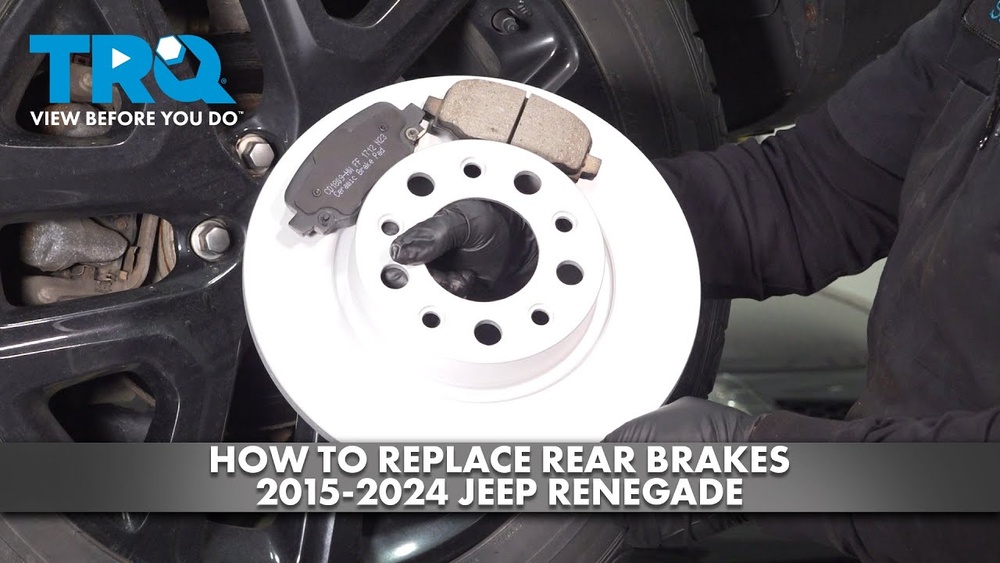
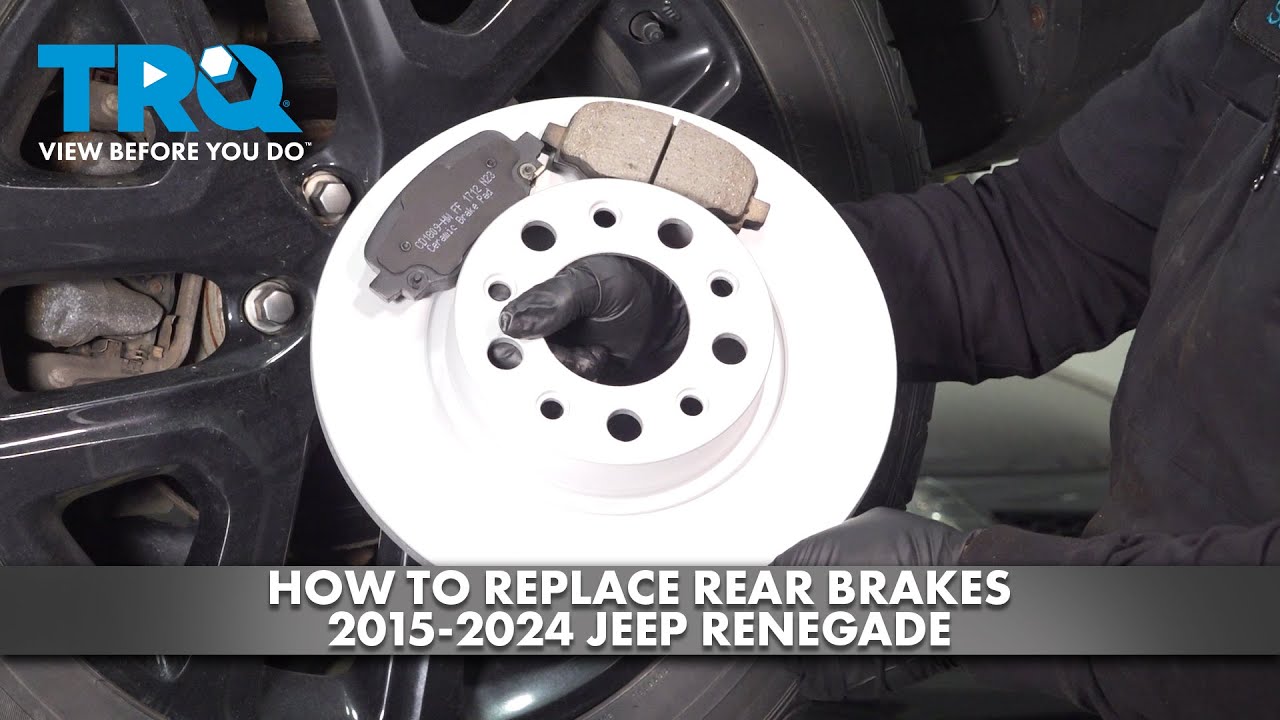
The brake assembly includes the caliper, brake pads, and the rotor. Here’s how to remove them:
- Remove caliper bolts using a socket wrench. The caliper holds the brake pads in place.
- Carefully slide off the caliper and support it with a wire or bungee. Don’t let it hang from the brake hose.
- Take out the old brake pads. Some may be clipped into place; use a flathead screwdriver if needed.
- If you’re replacing rotors, remove the caliper bracket (usually two bolts). Slide the rotor off; if it’s stuck, tap it gently with a rubber mallet.
Non-obvious tip: If the rotor doesn’t come off easily, check for a retaining screw. Many forget this step and damage the rotor trying to force it off.
Installing New Brake Pads And Rotors
With the old parts removed, it’s time to install the new components.
- Clean new rotors with brake cleaner to remove factory oil.
- Slide the new rotor onto the hub.
- Reinstall the caliper bracket and torque the bolts to the manufacturer’s specification.
- Apply a thin layer of anti-seize to the back of the new pads and install them.
- Use a C-clamp or caliper tool to compress the caliper piston. This makes room for the new, thicker pads.
- Carefully reinstall the caliper over the new pads and secure it with bolts.
Common mistake: Forgetting to compress the caliper piston can make it impossible to fit the caliper back over the new pads.
Finishing Up And Testing
- Double-check that all bolts are tight and that you haven’t left any tools inside the wheel well.
- Put the wheel back on and hand-tighten the lug nuts.
- Lower the Jeep and tighten lug nuts to the correct torque.
- Repeat the process for the other side if needed.
Before driving, pump the brake pedal several times until it feels firm. This seats the brake pads and ensures you have braking power.
Pro insight: Always break in (or “bed in”) new pads and rotors. This means gently braking from moderate speeds several times to allow the surfaces to mate properly. Skipping this step can lead to squeaky brakes or reduced stopping power.
When To Replace Brake Pads And Rotors
Knowing when to change your brakes can save you from bigger problems:
- Pads: Replace when thickness is 3mm or less.
- Rotors: Replace if they are warped, deeply grooved, or below the minimum thickness (stamped on the rotor).
Below is a quick comparison of symptoms for worn brake pads and rotors:
| Symptom | Likely Issue | Action Needed |
|---|---|---|
| Squeaking noise | Worn pads | Replace pads |
| Vibration when braking | Warped rotor | Replace rotor |
| Grinding noise | Metal-on-metal contact | Immediate replacement |

Front Vs Rear Brake Replacement
Many drivers wonder if front and rear brakes are the same. Here’s a quick breakdown:
| Front Brakes | Rear Brakes |
|---|---|
| Larger, handle most braking | Smaller, handle less force |
| Wear out faster | Last longer |
| Usually disc brakes | Disc or drum (Jeep Renegade has discs) |
Cost Savings And When To Seek Help
Doing your own brake job can save between $200 and $400 per axle compared to a mechanic. However, if you notice leaking brake fluid, damaged calipers, or if the brakes still feel weak after replacement, seek professional help. Your safety is always the top priority.
For official specifications and torque values, you can check the Jeep Renegade service manual or trusted sources like the Jeep Official Owner’s Site.
Frequently Asked Questions
How Often Should I Change The Brakes On My 2015 Jeep Renegade?
Most pads last 30,000 to 70,000 miles, but check them at every oil change. Driving in heavy traffic or hilly areas can wear them out faster.
Do I Need To Replace Rotors Every Time I Change Pads?
No, but if rotors are below minimum thickness or have deep grooves, replace them. New pads on old, damaged rotors can reduce braking efficiency.
Can I Change Brakes With Basic Tools?
Yes, you only need common hand tools, a jack, and jack stands. Specialty tools like a caliper piston tool make it easier but aren’t required.
What Are Signs My Brakes Need Changing?
Look for squeaking, grinding, a soft pedal, or longer stopping distances. Any of these mean it’s time for an inspection.
Is It Okay To Drive Right After Changing Brakes?
Yes, but drive carefully and bed in the new pads as described earlier. Avoid sudden or hard braking for the first 100 miles.
Changing the brakes on your 2015 Jeep Renegade is a project that pays off in both savings and confidence. With careful attention to each step and regular maintenance, you’ll keep your Jeep safe and ready for the road.