Lifting a Jeep Liberty is a popular way to improve off-road performance, increase ground clearance, and give your SUV a more aggressive look. But the process can seem complex if you’re new to automotive upgrades.
This guide breaks down the steps, key considerations, and common mistakes so you can confidently plan your Jeep Liberty lift.
Understanding Jeep Liberty Lift Options
Before you start, it’s important to know the main types of lift kits available for the Jeep Liberty:
| Lift Type | Height Range | Purpose |
|---|---|---|
| Leveling Kit | 1–2 inches | Corrects nose-down stance, mild clearance |
| Suspension Lift | 2–4 inches | Improves off-road, fits larger tires |
| Body Lift | 1–2 inches | Raises body, less off-road impact |
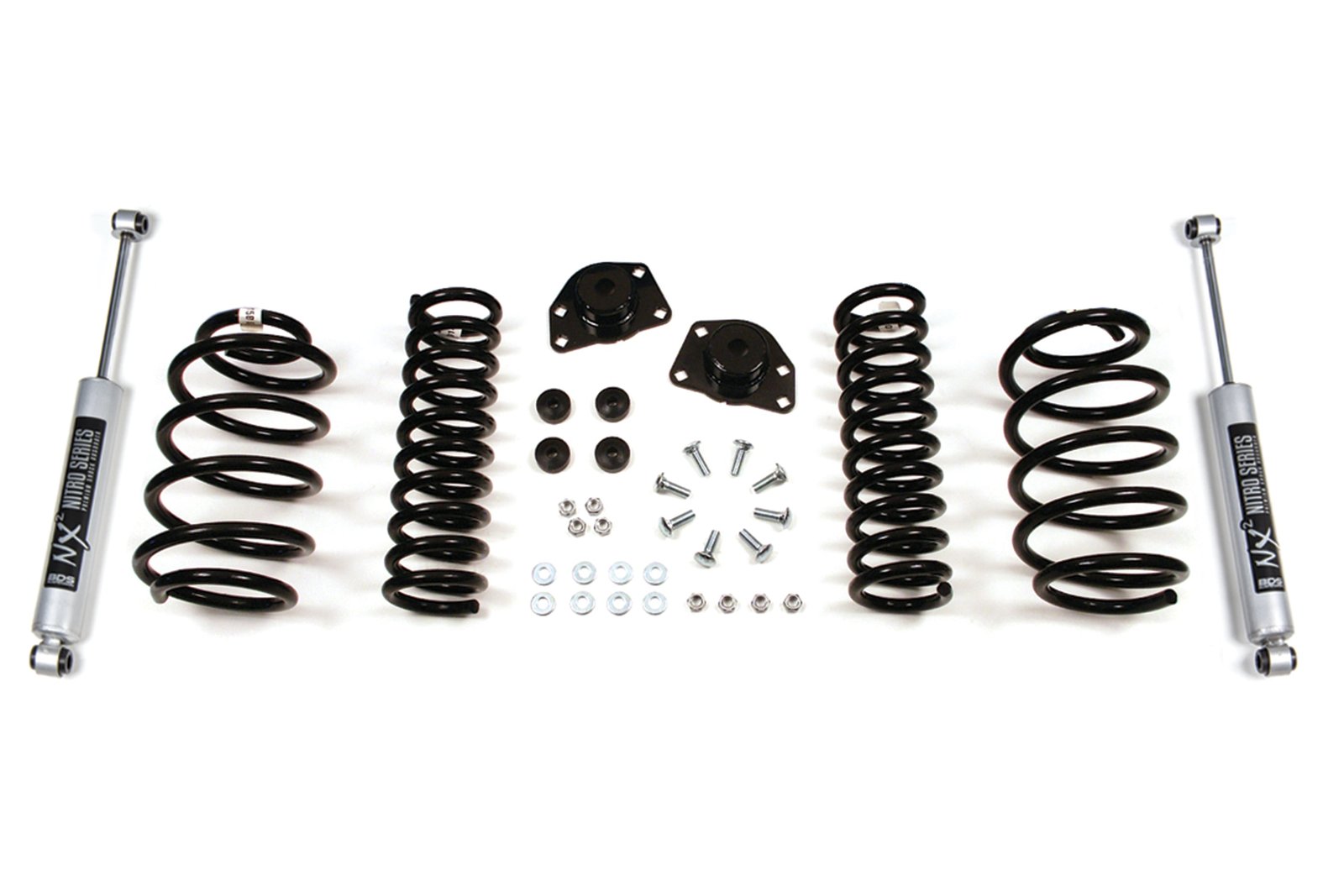
Suspension lifts are the most common choice for Jeep Liberty owners who want real off-road capability. They replace or add to the springs and shocks, raising the entire frame and allowing for bigger tires.
Leveling kits are simpler and less expensive, mainly correcting the front-to-back stance.
Body lifts raise the body away from the frame using spacers, but don’t increase suspension travel or articulation.
Planning Your Lift: Key Factors
Not every lift kit fits every Jeep Liberty. Consider these factors before buying:
- Year and Model: The Liberty was made from 2002 to 2012, with major design changes between the KJ (2002–2007) and KK (2008–2012) models. Always confirm compatibility.
- Desired Tire Size: Larger lifts allow for larger tires. For example, a 2.5-inch suspension lift usually fits 31-inch tires.
- Budget: Kits range from $150 for basic leveling to over $1,000 for advanced suspension lifts.
- Purpose: Off-roaders benefit more from suspension lifts, while daily drivers may prefer modest lifts for appearance.
A common mistake is buying a kit based on price alone. Always match your kit to your driving needs and vehicle specifications.
Tools And Equipment Needed
You don’t need a professional shop, but you do need the right tools:
- Floor jack and jack stands (minimum 2-ton rated)
- Lug wrench or impact gun
- Socket and wrench set (metric and SAE)
- Spring compressor (for suspension lifts)
- Pry bar
- Torque wrench
- Safety glasses and gloves
A spring compressor is often overlooked but essential for removing and installing coil springs safely. Never attempt to compress springs without proper tools.
Step-by-step Lift Installation
The installation process can take 4–8 hours, depending on your experience and the type of lift. Here’s a general overview for a typical 2–2.5 inch suspension lift:
- Preparation
- Park on a flat surface and set the parking brake.
- Loosen lug nuts, then raise the Jeep and secure it on jack stands.
- Remove wheels.
- Front Suspension
- Disconnect the sway bar links and shocks.
- Use the spring compressor to remove the front coil springs.
- Install new or extended springs and shocks from the kit.
- Reconnect sway bar links, ensuring all bolts are torqued to specification.
- Rear Suspension
- Support the rear axle with a jack.
- Disconnect shocks and sway bar links.
- Lower the axle to remove rear springs.
- Install new springs and shocks.
- Double-check all connections and hardware.
- Final Steps
- Reinstall wheels and hand-tighten lug nuts.
- Lower the Jeep to the ground and torque all lug nuts to factory specs.
- Check for any loose bolts or abnormal suspension angles.
After installation, always schedule a professional alignment. Lifting changes the geometry of your suspension, and improper alignment can cause tire wear or unsafe handling.
What To Expect After Lifting
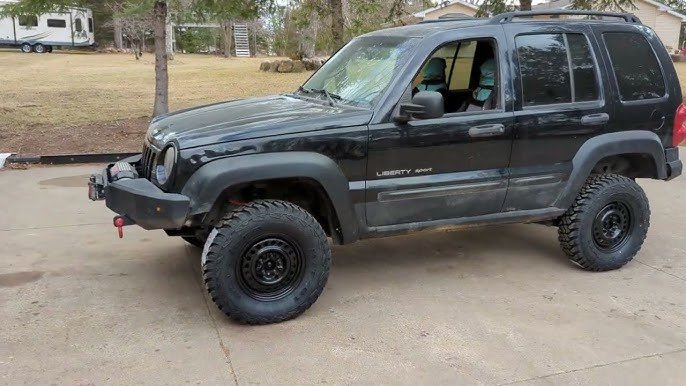
A lifted Jeep Liberty offers more ground clearance and better approach angles, but there are trade-offs:
| Benefit | Possible Downsides |
|---|---|
| More ground clearance | Higher center of gravity |
| Fits larger tires | May need speedometer recalibration |
| Improved off-road ability | Ride may become stiffer |
Also, expect the ride quality to change—some lifts use firmer springs or shocks. If you tow or haul heavy loads, consider heavy-duty components designed for lifted vehicles.
Common Mistakes And How To Avoid Them
Many first-timers make similar mistakes. Here’s how to avoid them:
- Skipping Alignment: Always get a professional alignment after any lift.
- Ignoring Brake Lines: Lifts over 2 inches may need extended brake lines to prevent damage.
- Forgetting About Driveshaft Angles: Big lifts can change driveshaft angles, causing vibration. Some setups may need adjustable control arms.
- Not Upgrading Tires and Wheels: Bigger tires may require new wheels with proper backspacing.
A non-obvious tip: After lifting, regularly check all bolts and suspension parts for the first few hundred miles. Components can settle, making retightening necessary.
Cost Comparison: Diy Vs. Professional Install
Should you do it yourself or hire a shop? Compare the options:
| Install Method | Estimated Cost | Pros | Cons |
|---|---|---|---|
| DIY | $200–$1,000 (kit only) | Save money, learn new skills | Time-consuming, risk of mistakes |
| Professional | $600–$2,000 (kit + labor) | Expert quality, warranty | Higher cost |
Most Jeep Liberty owners with basic mechanical skills can complete a 2-inch lift at home. However, if you’re unsure, a professional install is safer.
After The Lift: What’s Next?
Once your Liberty is lifted, consider these steps for the best results:
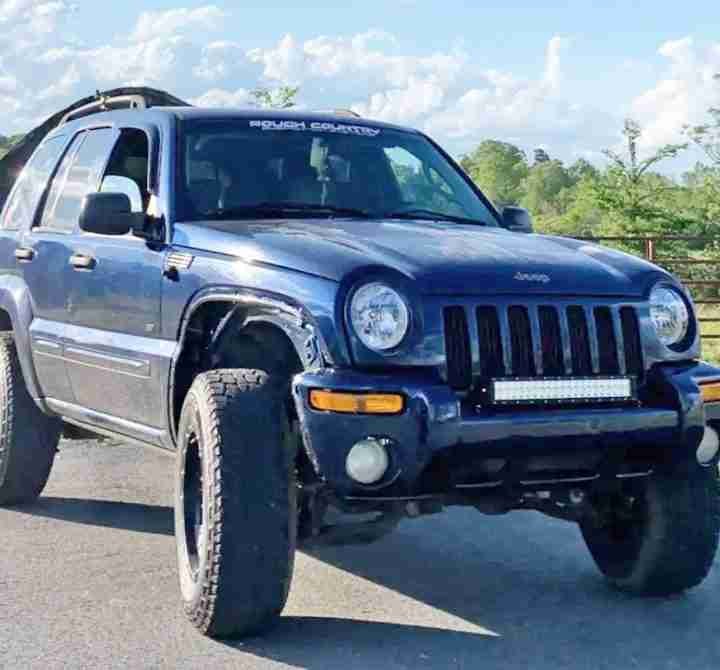
- Install larger tires suitable for your new clearance
- Adjust your headlights, since the new height can affect aim
- Update your insurance if required by your provider
- Test drive to listen for unusual noises or vibrations
A final insight: Document your process with photos and notes. If you sell your Jeep, this can reassure buyers your lift was done correctly.
Frequently Asked Questions
How Much Can I Safely Lift A Jeep Liberty?
Most experts recommend a maximum lift of 2.5 inches for daily drivers to avoid major suspension or driveline changes. More extreme lifts may require custom parts and professional help.
Will Lifting My Liberty Void The Warranty?
If your Jeep is still under warranty, some coverage may be affected, especially for suspension or drivetrain components. Always check with your dealer before modifying.
Can I Install A Lift Kit Without Special Tools?
While basic lifts need only standard tools, a spring compressor is essential for safety. For more complex lifts, a shop press or specialty tools may be needed.
Do I Need To Change Shocks When Lifting?
Yes, most suspension lifts include longer shocks or struts designed for the new height. Using factory shocks with a lift can cause poor ride quality or damage.
Where Can I Find More Information About Lift Kits?
For detailed specs and comparisons, visit the official Quadratec website, a trusted source for Jeep upgrades.
A Jeep Liberty lift is a rewarding project that can transform your vehicle, but it requires planning and attention to detail. With the right kit and careful installation, you’ll enjoy improved performance and a bold new look for your SUV.