Owning a Jeep Grand Cherokee brings power and confidence for driving on rough terrain, muddy roads, or snowy streets. But many owners are unsure how to use the 4×4 system correctly. Understanding the four main 4×4 modes—Auto, Snow, Sand, and Rock—can make every trip safer and more enjoyable. This guide explains how to use each mode, when to switch, and what mistakes to avoid, so you can get the best performance from your Grand Cherokee.
Understanding The Jeep Grand Cherokee 4×4 Modes
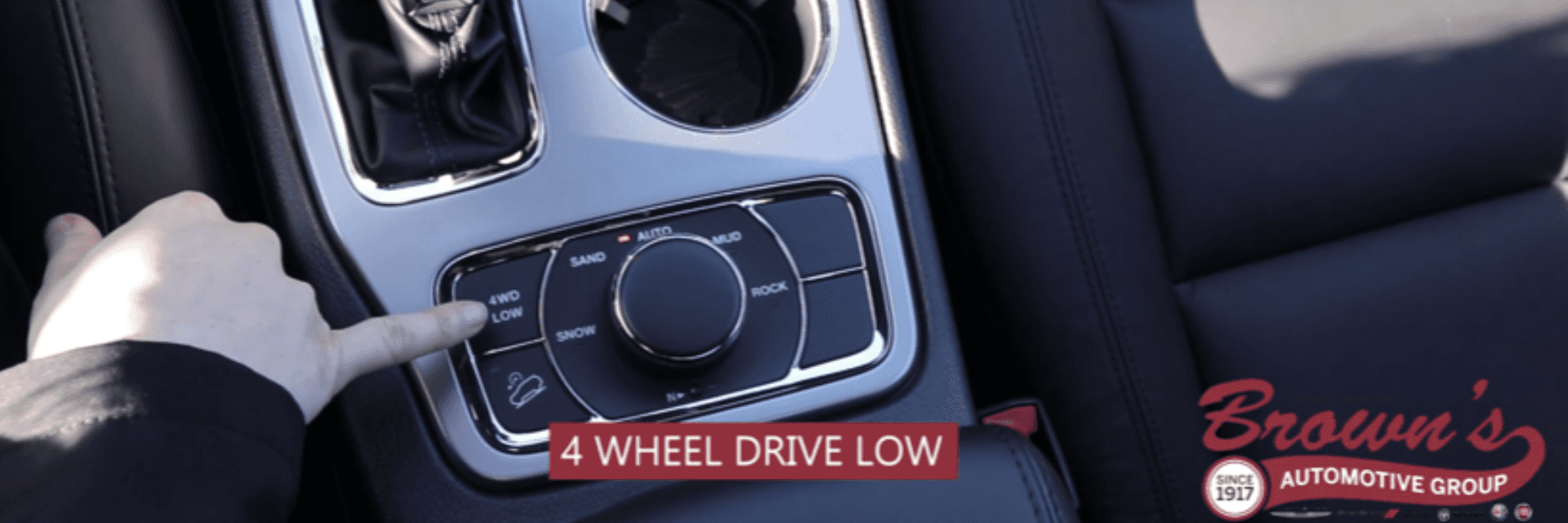
Modern Jeep Grand Cherokee SUVs use the Selec-Terrain® system, which lets drivers choose between four main 4×4 modes. Each mode changes how the engine, transmission, and traction control work. Knowing when and how to use them is key for safe, confident driving.
Quick Mode Overview
| Mode | Best For | Traction Changes |
|---|---|---|
| Auto | Normal roads | Adjusts automatically |
| Snow | Snowy, icy surfaces | Reduces wheel spin |
| Sand | Loose sand, dirt | Maximizes wheel power |
| Rock | Rocks, steep climbs | Low-speed control |
1. Auto Mode
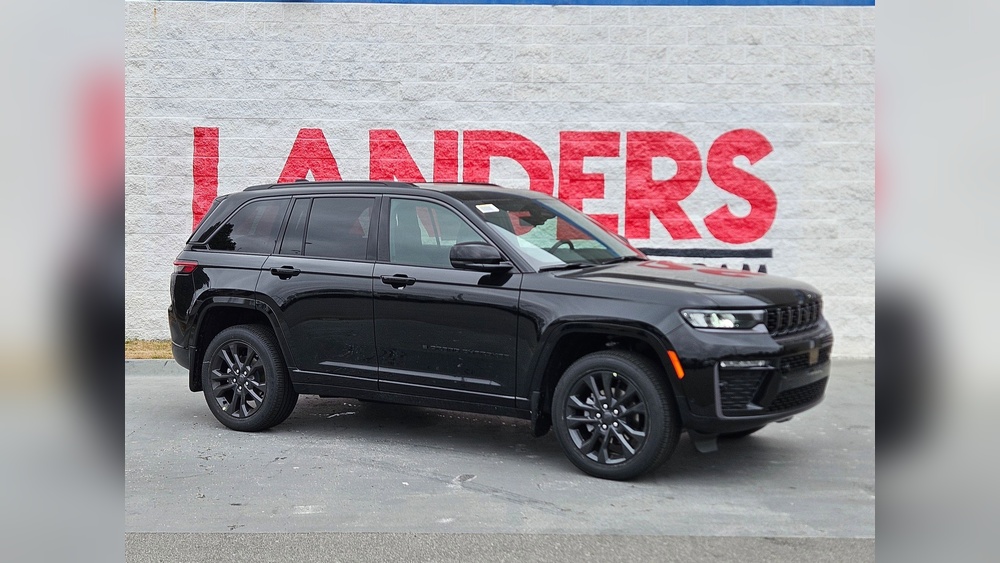
Auto mode is the default setting for most drivers. It’s ideal for daily commutes, highways, and city streets. The system senses road conditions and adjusts the power between the front and rear wheels automatically.
- How to use: Simply leave the Selec-Terrain dial in Auto for regular driving.
- Benefits: You get maximum fuel efficiency and smooth handling.
- Example: When the road is dry and clear, Auto mode keeps the SUV stable and responsive.
Non-obvious tip: Auto mode can handle light rain or gravel, but it’s not designed for deep mud or snow. Many beginners believe Auto is always best, but switching modes can offer much better traction in tough conditions.
2. Snow Mode
Snow mode is made for slippery, cold conditions. This mode changes throttle response and uses all four wheels to limit wheel spin.
- How to activate: Turn the Selec-Terrain dial to Snow before driving on snow or ice.
- Key features: The system softens acceleration and applies brakes to individual wheels if they slip.
- Data point: According to Jeep, Snow mode can reduce stopping distance by up to 15% on icy surfaces.
Common mistake: Many drivers forget to switch back to Auto after the snow clears. This can reduce fuel efficiency and make the ride less comfortable.
Snow Mode Vs Auto Mode
| Feature | Snow Mode | Auto Mode |
|---|---|---|
| Throttle Response | Softened | Normal |
| Traction Control | Maximized | Automatic |
| Fuel Economy | Lower | Higher |
3. Sand Mode
Sand mode helps the Jeep perform on loose, dry surfaces like beaches or desert trails. The system increases throttle sensitivity and allows more wheel spin, helping you move through sand without getting stuck.
- How to use: Rotate the dial to Sand before entering sandy or loose dirt areas.
- What changes: The system lets the wheels spin more freely and sends extra power to the rear wheels.
- Example: If you’re driving on a beach, Sand mode keeps the tires moving instead of sinking.
Practical insight: Lower your tire pressure slightly when driving in deep sand for better grip. This is something many new drivers overlook.
Comparison tip: Sand mode is not suitable for wet mud or rocks. Using it on the wrong surface can cause loss of control.

4. Rock Mode
Rock mode is designed for extreme off-road challenges. It’s only available in some Grand Cherokee models with low-range gearing. This mode locks the four-wheel-drive system and offers maximum torque at low speeds.
- How to engage: Stop your vehicle, shift to neutral, turn the dial to Rock, and activate the low-range gear.
- Best uses: Climbing over rocks, deep ruts, or steep hills.
- Data point: With Rock mode, the Jeep can crawl at speeds under 5 mph, giving precise control.
Beginner’s mistake: Trying to use Rock mode at high speed. It’s meant for slow, careful movement, not for racing on rocky paths.
Rock Mode Vs Sand Mode
| Feature | Rock Mode | Sand Mode |
|---|---|---|
| Speed | Very low | Moderate |
| Wheel Spin | Minimized | Allowed |
| Power Distribution | Locked 4×4 | Rear-focused |
Switching Between Modes: What You Need To Know
Changing between modes is simple but should be done correctly:
- Slow down before switching. Most modes can be changed while moving, but Rock mode needs you to stop and shift to neutral.
- Check the display. The dashboard shows which mode is active.
- Listen for changes. Some modes make the engine sound different or change how the Jeep drives.
Pro tip: Never use Rock or Sand mode on paved roads. Doing so can damage the drivetrain and reduce handling.

Extra Tips For Using 4×4 Modes
- Practice in safe places. Try each mode in a controlled environment before taking on difficult terrain.
- Read the manual. Every Grand Cherokee model is a bit different. Check your owner’s manual for specific instructions.
- Regular maintenance. Keep tires, brakes, and fluids in top shape to get the most from the 4×4 system.
- Learn recovery basics. Carry a tow rope and shovel when off-roading.
For more technical details, visit the official Jeep page: Jeep Grand Cherokee Official Site.
Frequently Asked Questions
Can I Switch 4×4 Modes While Driving?
Most modes (Auto, Snow, Sand) can be switched while driving at low speeds. For Rock mode, you must stop, shift to neutral, and activate low-range gear.
What Happens If I Use The Wrong Mode?
Using the wrong mode can make the vehicle harder to control and may damage the drivetrain. For example, Sand mode on wet pavement can cause slipping.
Do All Grand Cherokee Models Have Rock Mode?
No, Rock mode is available only on certain trims with low-range gear. Always check your model specs before trying to use Rock mode.
How Often Should I Use 4×4 Modes?
Use the modes only when needed. Auto is best for daily driving, while Snow, Sand, and Rock are for special conditions.
Is 4×4 The Same As All-wheel Drive?
No. 4×4 offers more control for tough terrain, while all-wheel drive is usually automatic and meant for mild conditions.
Mastering the four 4×4 modes on your Jeep Grand Cherokee gives you flexibility for any road or trail. By understanding each mode, practicing safe switching, and avoiding common mistakes, you’ll enjoy a smoother, safer ride every time you drive.