Many Jeep TJ owners love the rugged look and off-road ability of their vehicles, but driving on regular roads can feel rough and bumpy. If you’re hoping to make your Jeep TJ ride smoother, you’re not alone. The TJ’s short wheelbase, stiff suspension, and solid axles make it great for trails, but less comfortable for daily driving. Luckily, there are practical ways to improve your ride quality without losing the Jeep’s character. Let’s explore proven upgrades, smart adjustments, and insider tips to help your TJ feel smoother every day.
Understanding Jeep Tj Ride Quality
Before making changes, it’s important to know why the TJ feels stiff. The Jeep TJ was built for durability and off-road use, which means:
- Short wheelbase: Causes more bounce over bumps.
- Solid axles: Strong but transfer road shocks directly.
- Factory suspension: Designed for off-road, not comfort.
- Tire choice: Many Jeeps use aggressive tires that are noisy and rough.
Knowing these factors helps you target improvements that actually work.
Suspension Upgrades For Smoother Ride
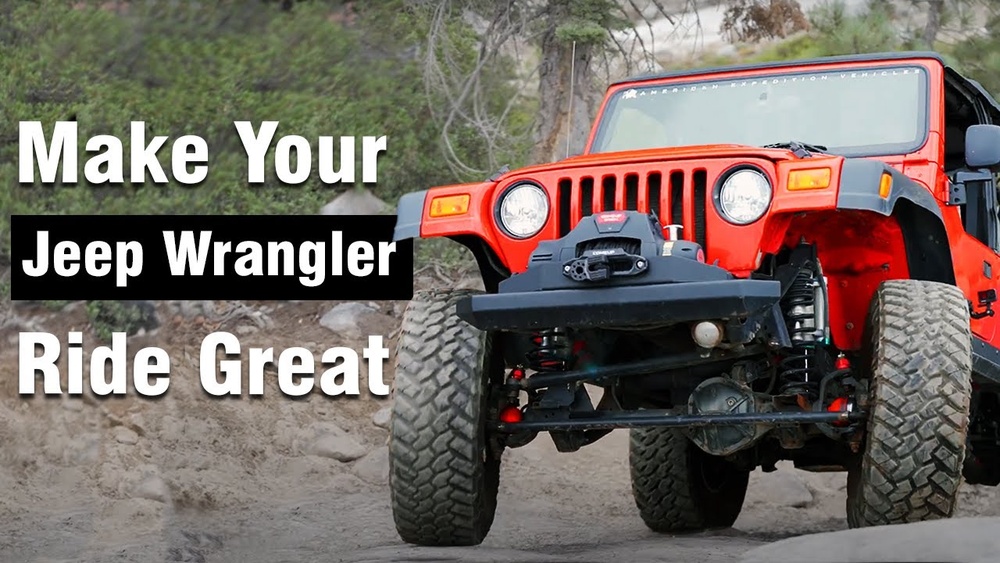
The suspension system is the heart of your Jeep’s ride quality. Upgrading parts can make a big difference.
| Upgrade | Effect on Ride | Cost Range |
|---|---|---|
| Aftermarket shocks | Reduces harshness, improves comfort | $100–$400 (set) |
| Softer springs | Less bounce, smoother response | $200–$500 |
| Adjustable control arms | Better alignment, improved handling | $250–$600 |
- Upgrade shocks: Replace factory shocks with high-quality ones like Bilstein 5100 or Rancho RS9000. These absorb bumps better and reduce vibration.
- Swap springs: Consider softer coil springs or progressive-rate springs. These respond to small bumps gently, but still handle big hits.
- Check bushings: Worn bushings cause extra vibration. Upgrade to polyurethane or replace old rubber ones.
- Tune ride height: Lowering the Jeep slightly can reduce the center of gravity and improve stability, but avoid extreme lifts.
A common mistake is installing stiff “lift kits” without matching shocks and springs. This often makes the ride even rougher.
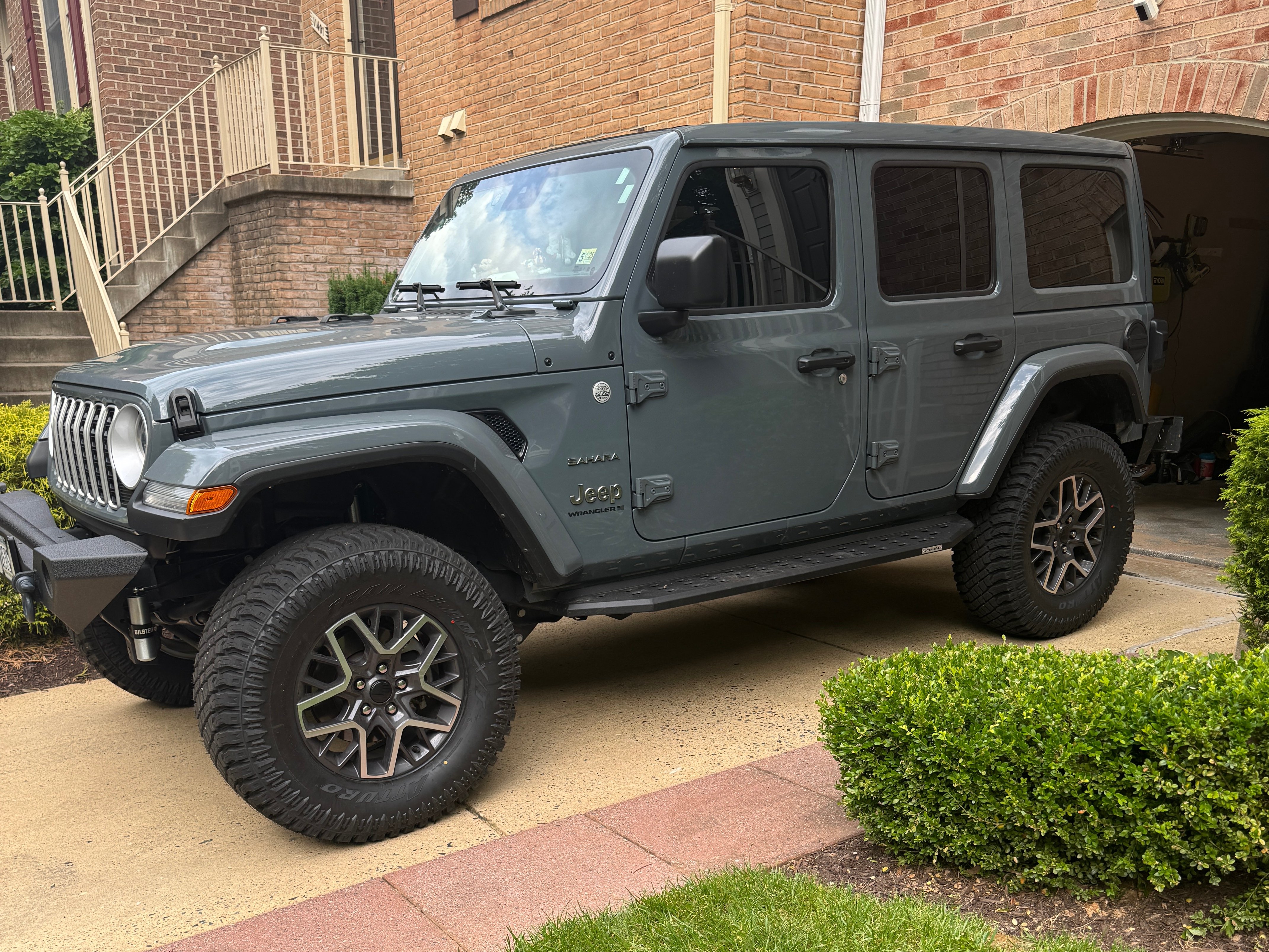
Tire Choices That Affect Comfort
Tires are often overlooked, but they change ride quality more than most people think. The right tires cushion the Jeep and reduce noise.
| Tire Type | Ride Comfort | Noise Level |
|---|---|---|
| All-terrain | Good | Moderate |
| Mud-terrain | Poor | High |
| Highway | Excellent | Low |
- Choose all-terrain or highway tires: These have softer sidewalls and less aggressive tread, making the ride quieter and smoother.
- Proper tire pressure: Overinflated tires feel hard and rough. Use the recommended pressure, usually 28–35 psi for Jeep TJ.
- Smaller wheels, taller tires: Using 15” or 16” wheels with taller tires increases the sidewall, which acts like a cushion.
Many owners miss that tire pressure changes seasonally. Cold weather reduces pressure, while hot weather increases it. Always check and adjust for the smoothest ride.
Steering And Alignment
Poor alignment makes your Jeep pull or wander, and increases vibration. Routine checks help keep your TJ stable.
- Wheel alignment: Misaligned wheels cause uneven tire wear and rough handling. Get an alignment every 12,000 miles or after suspension changes.
- Steering components: Worn tie rods or ball joints add play and vibration. Replace these parts if you feel loose steering.
- Balance tires: Out-of-balance tires cause shaking above 45 mph. Have tires balanced at each rotation.
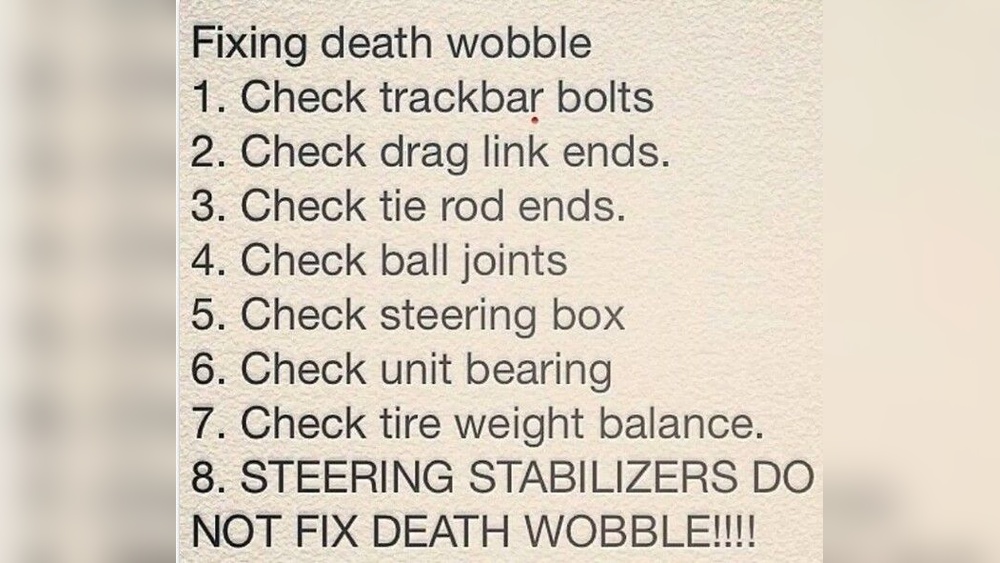
An insight many beginners miss: Death wobble is often caused by worn steering parts or bad alignment, not just tires or shocks.

Interior Comfort Upgrades
Improving ride quality isn’t just mechanical. Small changes inside the Jeep help too.
- Seat upgrades: Factory TJ seats are basic. Aftermarket seats with more padding or lumbar support reduce fatigue.
- Sound deadening: Add mats like Dynamat under carpets to cut road noise and vibration.
- Replace door seals: New seals stop drafts and rattles, making the cabin feel quieter.
These upgrades don’t change suspension, but they make the Jeep feel more comfortable, especially on longer drives.
Maintenance Tips For A Smoother Ride
Regular care keeps your Jeep running smoothly:
- Lubricate joints: Grease suspension and steering joints every oil change.
- Inspect shocks and springs: Replace if leaking or sagging.
- Check tire tread: Uneven wear means alignment or suspension problems.
Here’s a quick comparison of Jeep TJ maintenance intervals:
| Component | Inspection Interval | Replacement Interval |
|---|---|---|
| Shocks | Every 10,000 miles | Every 50,000 miles |
| Tires | Every 6,000 miles | Every 40,000 miles |
| Bushings | Every 20,000 miles | As needed |
A well-maintained Jeep rides smoother than a neglected one. Even small issues add up and affect comfort.

Frequently Asked Questions
How Can I Reduce Road Noise In My Jeep Tj?
Add sound deadening mats under carpets, replace old door seals, and choose quieter tires. These steps lower noise inside the cabin.
What Shocks Are Best For A Smoother Ride?
Popular choices include Bilstein 5100 and Rancho RS9000. They are tuned for comfort but still handle off-road conditions.
Does Lowering My Jeep Tj Improve Ride Quality?
Lowering can help stability and reduce bounce, but lowering too much affects ground clearance and off-road ability. Use moderate lowering with matching springs and shocks.
How Often Should I Check Tire Pressure?
Check tire pressure monthly and before long trips. Seasonal changes can affect pressure, so adjust as needed for the smoothest ride.
Can I Make My Jeep Tj Ride Like A Car?
You can improve comfort, but the TJ will never ride exactly like a car due to its design. Good shocks, soft tires, and proper maintenance help it feel much smoother.
Making your Jeep TJ ride smoother is possible with smart upgrades and regular care. Focus on suspension, tires, and interior improvements for the best results. The changes may seem small, but together they transform your Jeep’s driving experience. For more detailed guidance and expert reviews, visit the Jeep Official Site. With the right approach, your TJ can stay tough off-road and feel comfortable on pavement.