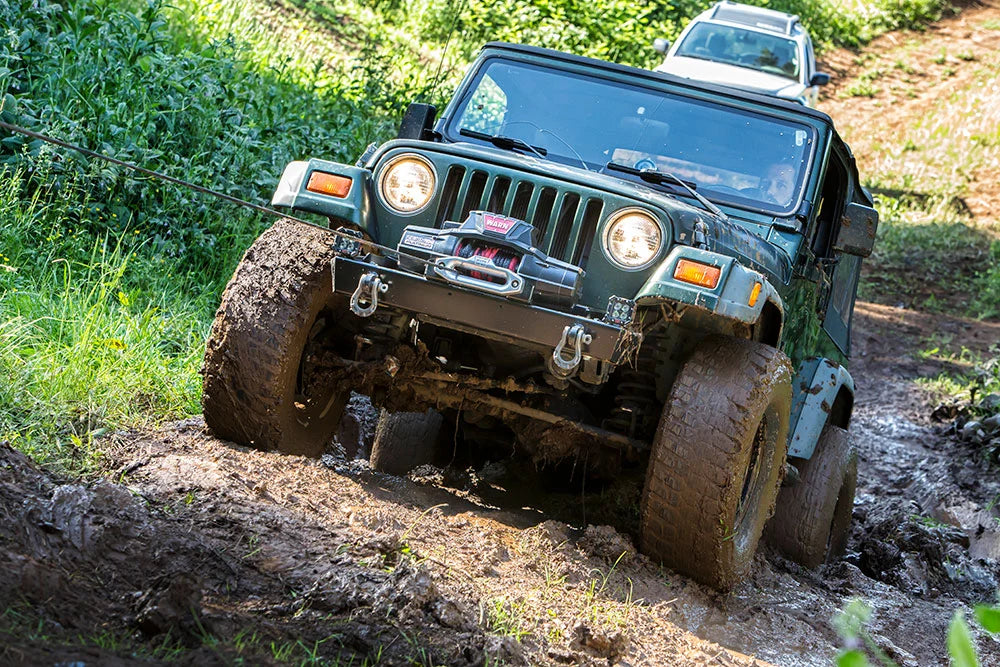
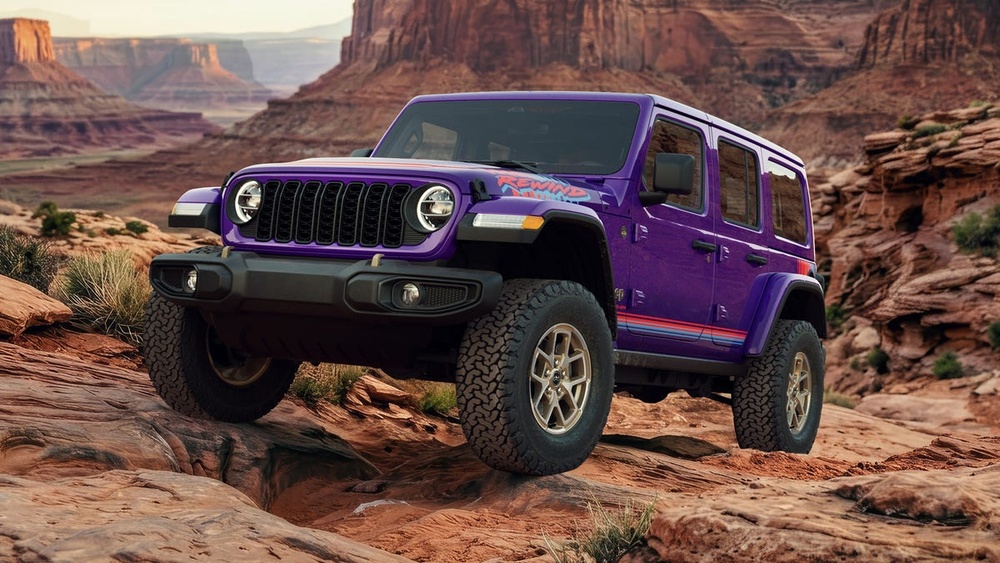
Selecting the right winch for your Jeep is an important decision, especially if you love off-roading or often drive in remote areas. A winch can pull your Jeep out of mud, snow, or ditches when you get stuck.
But not every winch is the same choosing the wrong one can lead to frustration or even safety risks.
This guide explains how to choose a winch for your Jeep, covering the most important factors and giving you the clarity you need.
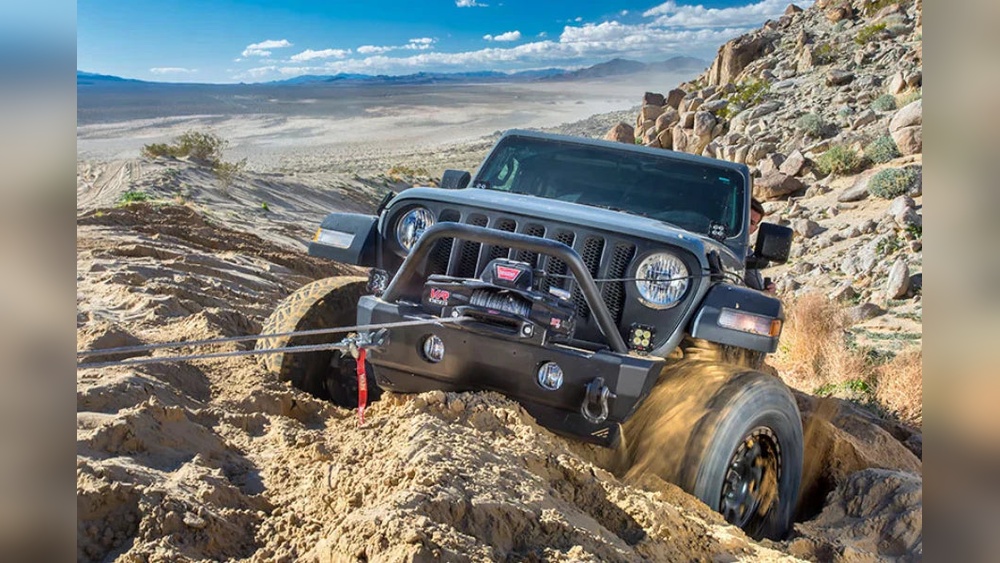
Know Your Jeep’s Weight
The first thing to consider is your Jeep’s total weight. This includes the vehicle, passengers, cargo, and any accessories like bumpers or roof racks. Most experts recommend a winch with a pulling capacity that is at least 1.5 times your Jeep’s gross vehicle weight rating (GVWR).
For example, if your Jeep’s GVWR is 5,000 lbs:
- 5,000 lbs x 1.5 = 7,500 lbs minimum winch capacity
A common mistake is only considering the Jeep’s empty weight, not the fully loaded weight. Always check your owner’s manual for the GVWR.
Types Of Winches
There are two main types: electric and hydraulic winches.
| Type | Pros | Cons |
|---|---|---|
| Electric | Easy to install, works with engine off | Can drain battery quickly |
| Hydraulic | Strong, reliable for long pulls | Needs engine running, harder to install |
Electric winches are most popular for Jeep owners. They use the vehicle’s battery and are easier for most people to set up. Hydraulic winches are more common in heavy-duty or commercial use, but they require more complex installation.
Cable: Steel Vs Synthetic
The winch cable is another major choice. You’ll find two main options: steel cable and synthetic rope.
| Cable Type | Strength | Weight | Safety |
|---|---|---|---|
| Steel | Very strong | Heavy | Can snap dangerously |
| Synthetic | Strong | Lightweight | Safer if it breaks |
Steel cable is durable and works well in rough conditions, but it can develop sharp burrs and is heavier. Synthetic rope is lighter and safer to handle, but can degrade from UV exposure or chemicals. If you do a lot of mudding, steel may be better, but for most users, synthetic rope offers easier handling and improved safety.
Motor Power And Line Speed
Winch performance depends on its motor power and line speed.
- Motor power is measured in horsepower (HP). More power means faster and stronger pulling, but it also uses more battery.
- Line speed is how fast the winch pulls the cable, usually measured in feet per minute (FPM).
Faster line speed is useful, but high speed with low pulling force is not helpful if you are really stuck. Make sure to balance both features for your needs.
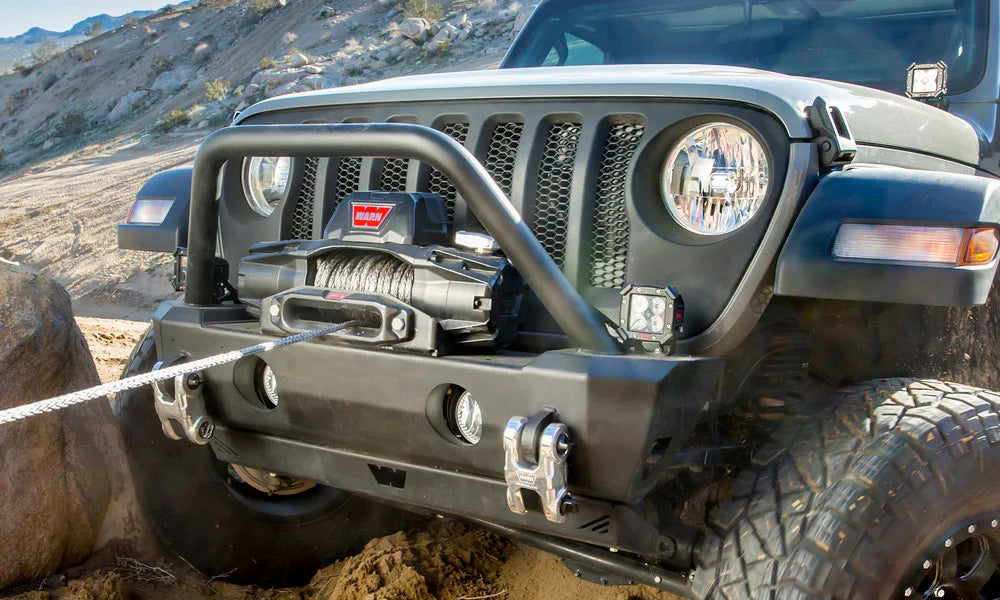
Mounting Options
How you mount your winch affects both looks and function.
- Bumper-mounted: Most common. Many aftermarket bumpers for Jeeps are winch-ready.
- Hidden mounts: Install the winch behind the bumper for a clean look, but access can be harder.
- Multi-mount: Allows you to move the winch between the front and rear, but needs special brackets.
Check the compatibility between your winch, bumper, and Jeep model before buying. Not all winches fit every bumper.
Features That Matter
Certain features can make a big difference in daily use:
- Remote control: Wireless or wired remotes let you operate the winch safely away from the vehicle.
- Waterproof rating: Look for an IP67 or IP68 rating if you drive through water or mud.
- Brake system: Automatic brakes hold the load securely if you stop winching.
- Gear type: Planetary gears are faster but can heat up; worm gears are slower but handle heavy loads better.
It’s easy to overlook small features, but things like a well-sealed solenoid or an easy-to-read clutch lever save time and hassle in the field.
Cost And Value
Winch prices vary from $300 to over $1,500. Higher price often means better durability, faster speed, and more features.
However, expensive does not always mean better for your situation. Make sure you are paying for features you will actually use.
Avoid these common mistakes:
- Buying the cheapest winch without checking quality or reviews
- Ignoring the weight of added accessories
- Not considering the installation cost
For more technical details on winch types and use, the Wikipedia Winch page offers a deeper look.
Real-world Example
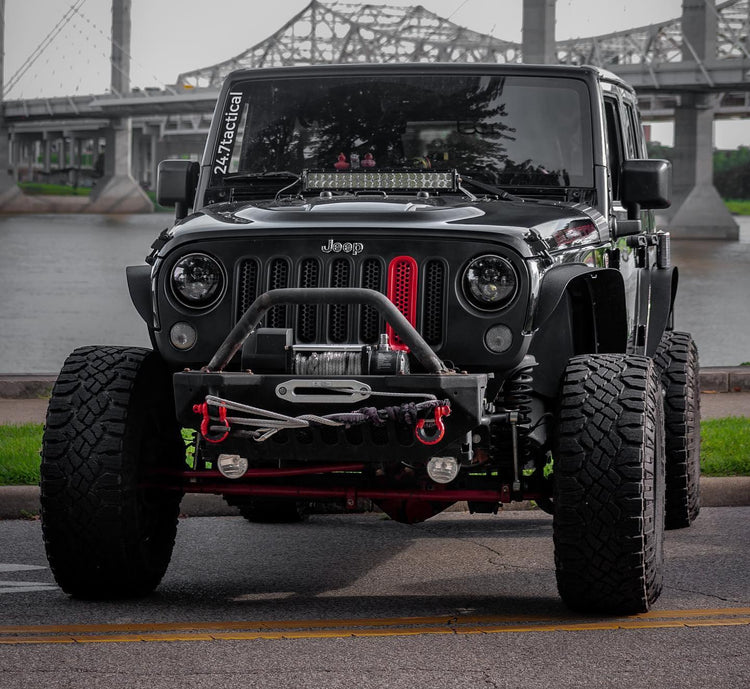
Consider a 2021 Jeep Wrangler Unlimited Rubicon with a GVWR of 6,100 lbs. After adding gear and accessories, the total weight is about 6,700 lbs. A winch rated at 10,000 lbs is a smart choice. If you add a steel bumper and oversized tires, always recalculate your winch needs.
Quick Reference Table: Winch Selection Guide
| Jeep Model | GVWR (lbs) | Recommended Winch (lbs) |
|---|---|---|
| Wrangler (JK) | 5,500 | 8,000–9,500 |
| Gladiator | 6,250 | 9,500–12,000 |
| Cherokee | 5,000 | 8,000 |
Frequently Asked Questions
What Size Winch Do I Need For My Jeep?
The winch should have a capacity of at least 1.5 times your Jeep’s GVWR. For example, if your Jeep weighs 5,000 lbs, choose a winch rated for at least 7,500 lbs.
Is Synthetic Rope Better Than Steel Cable?
Synthetic rope is lighter and safer if it breaks, making it a good choice for most users. Steel cable is stronger for heavy-duty use and resists abrasion better in rocky or muddy conditions.
Can I Install A Winch Myself?
Many Jeep owners install their own winch, especially electric winches. However, proper wiring and mounting are critical for safety. If you’re unsure, professional installation is a smart investment.
Does Winch Speed Matter?
Line speed matters if you need to recover quickly, but pulling power is more important when stuck. Balance speed with strength for best results.
What Accessories Should I Buy With My Winch?
Common accessories include snatch blocks for extra pulling power, gloves for safety, tree-saver straps, and a winch cover to protect your equipment.
Choosing the right winch for your Jeep means understanding your vehicle, your needs, and the terrain you’ll be facing. Focus on real requirements, and don’t be swayed by marketing alone.
With the right winch, you’ll be ready for almost any adventure the trail throws your way.