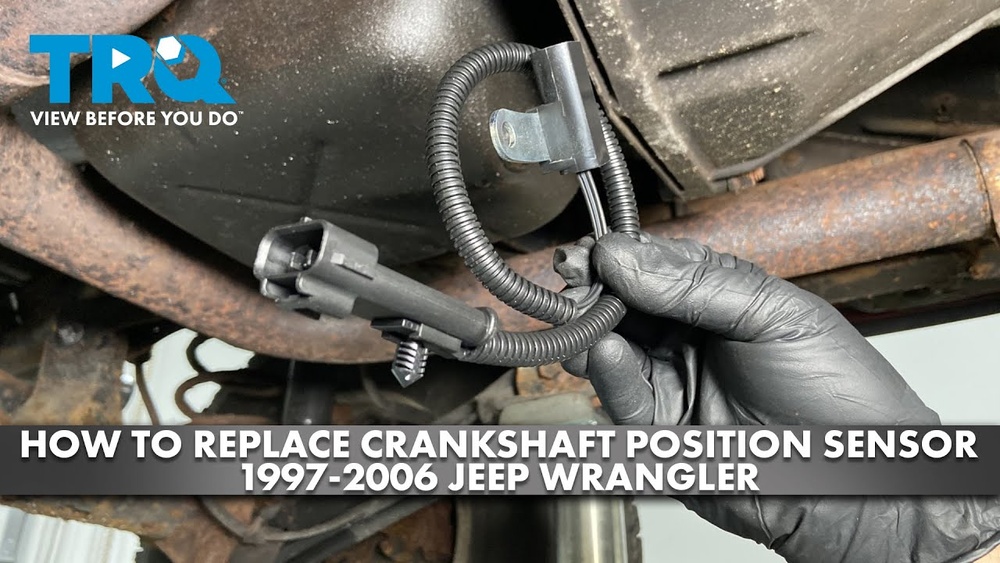
Rebuilding a Jeep 4. 0 engine is a rewarding yet challenging project.
This engine, known for its reliability and durability, powered many Jeep models for over two decades. However, after years of use, even the toughest engines can show signs of wear.
Whether you’re restoring an old Wrangler or keeping a Cherokee on the road, knowing how to rebuild a Jeep 4. 0 will save you money and deepen your understanding of automotive mechanics. This guide covers the essential steps, tools, and tips you need to confidently tackle the job—even if you’re new to engine rebuilding.
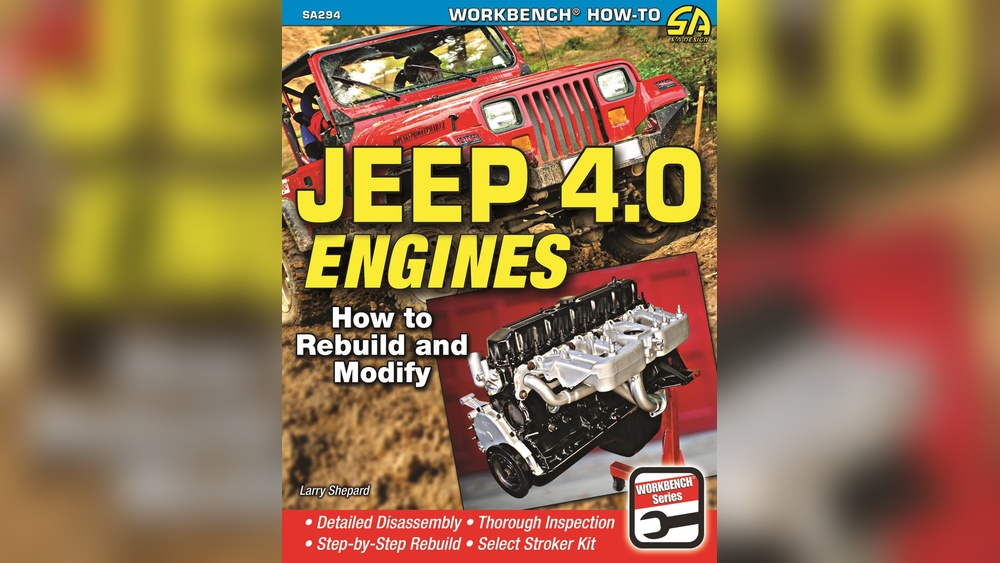
Preparing For The Rebuild
Starting with good preparation is key. First, ensure you have a clean workspace with plenty of room and good lighting. Gather essential tools such as:
- Socket and wrench set (including torque wrench)
- Screwdrivers and pliers
- Engine hoist or cherry picker
- Engine stand
- Micrometer and feeler gauges
You’ll also need a Jeep 4.0 rebuild kit, which usually includes pistons, rings, gaskets, bearings, and seals. Before you begin, label all parts and take photos during disassembly. This simple step helps avoid mistakes during reassembly.
Removing And Disassembling The Engine
Disconnect the battery and drain all fluids coolant, oil, and transmission fluid if necessary. Remove the hood for easier access.
Label all hoses and wires as you disconnect them. Using an engine hoist, carefully lift the engine out of the vehicle.
Once the engine is on the stand:
- Remove external components (alternator, power steering pump, intake/exhaust manifold).
- Take off the valve cover and oil pan.
- Remove the timing chain, head, and then pistons and crankshaft.
Be gentle when removing parts to avoid damage, especially if you plan to reuse any components.
Inspecting And Cleaning Components
With the engine apart, clean all components thoroughly. Use an engine degreaser and a wire brush for metal surfaces. Inspect for wear or damage, focusing on:
- Cylinder walls: Check for scoring or deep scratches.
- Crankshaft and camshaft: Look for pitting or cracks.
- Pistons and rods: Inspect for cracks or excessive wear.
Measure cylinder bores, crank journals, and piston diameters using a micrometer. Compare your readings to factory specs.
| Component | Standard Size | Service Limit |
|---|---|---|
| Cylinder bore | 3.875 in | 3.885 in |
| Crankshaft main journal | 2.499 in | 2.497 in |
| Piston diameter | 3.874 in | 3.864 in |
If any part is outside service limits, replace or machine it.
Machining And Replacement
Many Jeep 4.0 rebuilds require machining services. Take the block, head, and crankshaft to a machine shop for:
- Cylinder honing or boring
- Head resurfacing
- Crankshaft grinding
If you’re installing oversized pistons or bearings, match them to the machining done. Never mix old and new parts unless compatibility is certain.
Choose quality replacement parts OEM or reputable aftermarket brands. Cheap components may save money now but can lead to early failure.

Engine Assembly
Before assembly, clean all parts again to remove dust and debris. Lay out everything in order and use plenty of assembly lube on bearings and moving surfaces.
Follow these steps:
- Install crankshaft and main bearings.
- Fit pistons to connecting rods and install rings.
- Insert pistons into cylinders using a ring compressor.
- Torque all bolts to factory specifications.
Use a factory service manual for torque values and tightening sequences.
| Bolt | Torque Spec |
|---|---|
| Main cap bolts | 80 ft-lbs |
| Rod bolts | 35 ft-lbs |
| Cylinder head bolts | 110 ft-lbs |
Install the timing chain, oil pump, and gaskets. Double-check alignment marks on the timing chain for proper valve timing.
Reinstallation And Initial Start
Carefully lower the rebuilt engine back into the Jeep. Reconnect all wires, hoses, and accessories.
Fill the engine with fresh oil and coolant. Prime the oil system by cranking the engine without spark plugs for a few seconds.
When ready, start the engine and let it idle. Watch for leaks and listen for strange noises. Monitor oil pressure and temperature closely.
During the break-in period (first 500 miles):
- Avoid high RPMs
- Change oil after 500 miles
- Check all fluid levels regularly
These steps help new rings and bearings seat properly.
Common Mistakes To Avoid
- Forgetting to measure clearances during assembly
- Mixing up pushrods or lifters
- Reusing old, worn gaskets
- Neglecting to torque bolts correctly
Even experienced builders can miss these details, so stay organized and work patiently.
Jeep 4.0 Rebuild Cost Comparison
To help with budgeting, here’s a simple cost comparison for common rebuild options:
| Rebuild Option | Estimated Cost | Pros | Cons |
|---|---|---|---|
| DIY Rebuild | $1,200–$2,000 | Cost-saving, learning experience | Time-consuming, risk of mistakes |
| Machine Shop Rebuild | $2,500–$3,500 | Professional quality | Higher cost |
| Remanufactured Engine | $2,800–$4,000 | Warranty, ready to install | Less hands-on, shipping cost |
Final Thoughts
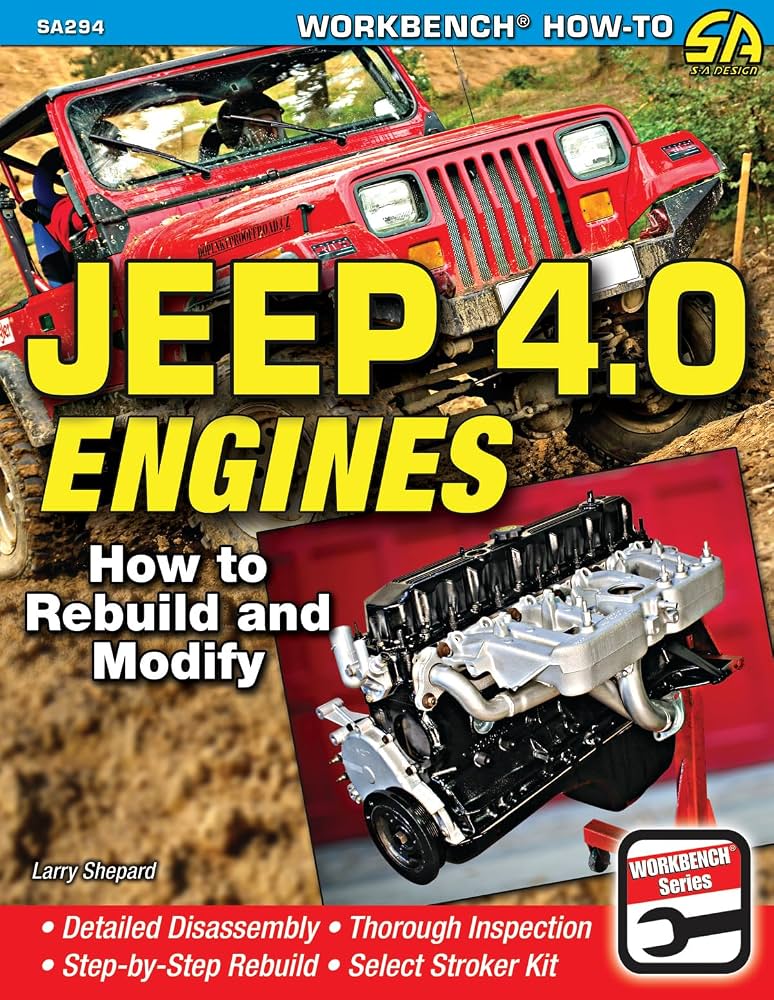
Rebuilding a Jeep 4.0 engine is a test of patience and skill, but the rewards are significant. You gain a dependable engine and a deep sense of achievement. Always double-check your work, use quality parts, and refer to reliable guides. With care and attention, your rebuilt Jeep 4.0 can deliver many more years of reliable service. For more technical details and specifications, visit the official Jeep 4.0 engine Wikipedia page.
Frequently Asked Questions
What Vehicles Use The Jeep 4.0 Engine?
The Jeep 4.0 was used in several models, including the Cherokee (XJ), Grand Cherokee (ZJ, WJ), Wrangler (YJ, TJ), and Comanche (MJ) from 1987 to 2006.
How Long Does A Jeep 4.0 Engine Typically Last?
With regular maintenance, a Jeep 4.0 can last 200,000 miles or more. Proper rebuilding can extend its life even further.
Can I Rebuild A Jeep 4.0 Without A Machine Shop?
Some basic repairs are possible at home, but most rebuilds require machine work like cylinder honing or crank grinding. Skipping this step can cause poor performance or failure.
How Much Time Does A Full Rebuild Take?
A typical DIY rebuild takes 20–40 hours of work, depending on your experience and if you encounter any issues.
What Are The Main Signs My Jeep 4.0 Needs Rebuilding?
Look for low oil pressure, knocking noises, blue exhaust smoke, and high oil consumption. Loss of power and poor compression are also indicators.