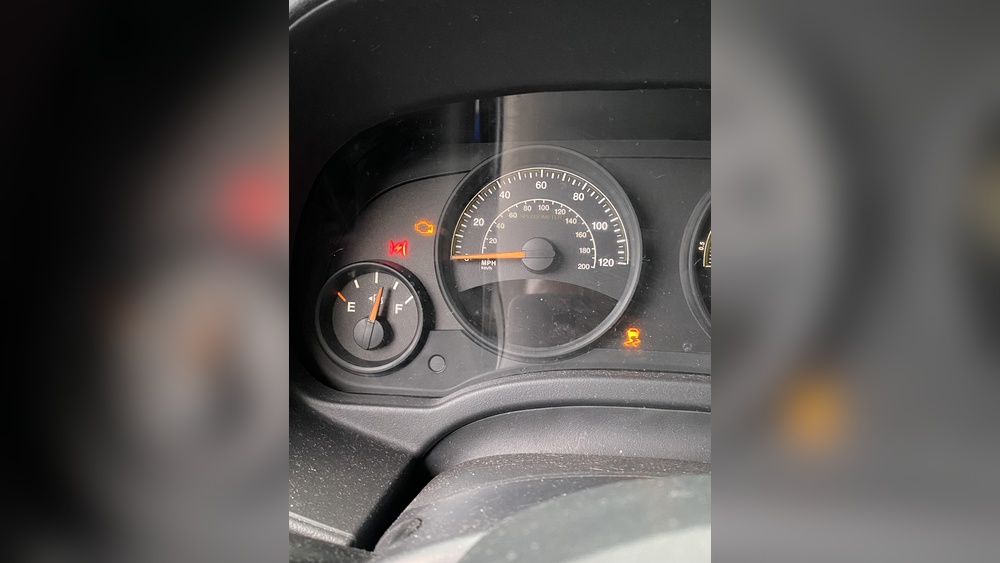
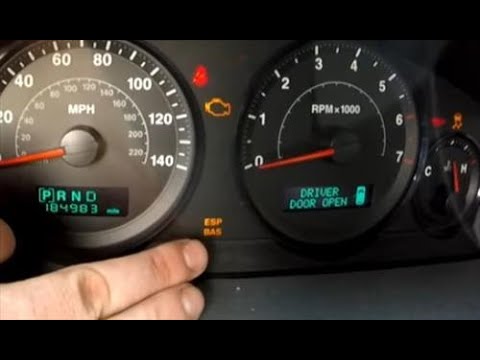
If you’ve noticed the ESP, BAS, and traction control lights glowing on your Jeep’s dashboard, you’re probably wondering what’s going on—and whether it’s safe to keep driving. These warning lights are your Jeep’s way of telling you that its Electronic Stability Program and Brake Assist System aren’t working properly, which can affect your vehicle’s handling and safety.
But don’t panic—this issue is more common than you think, and often there are simple fixes you can try before heading to a mechanic. You’ll discover what these lights mean, the most common causes behind them, and easy troubleshooting steps that might just get your Jeep back to normal.
Keep reading to learn how to take control and keep your Jeep running smoothly.
Esp Bas And Traction Control Lights
The ESP BAS and traction control lights in a Jeep alert you to issues with your vehicle’s safety systems. These systems help keep your Jeep stable and prevent wheels from slipping. When these lights turn on, it means the Electronic Stability Program (ESP), Brake Assist System (BAS), or traction control may not work properly.
Ignoring these warnings can affect your Jeep’s handling, especially on wet or slippery roads. Understanding what these lights mean and the common warning signs can help you take timely action.
What The Lights Mean
The ESP BAS light shows a problem with your Jeep’s stability or brake assist system. The traction control light signals an issue with the system that stops wheel slip. Both lights often turn on together.
When these lights come on, the systems may be turned off or limited. Your Jeep might lose some control on slippery surfaces. This means driving could be less safe until the problem is fixed.
Common Warning Signs
Warning signs include the ESP BAS and traction control lights staying on while driving. You might also feel the brakes working differently or notice your Jeep skidding more easily.
Other signs are a shaking steering wheel or strange noises from the brakes. These could point to faulty wheel speed sensors, a bad brake switch, or wiring problems. Low brake fluid can also trigger these lights.
Main Causes
The ESP BAS and traction control lights on a Jeep signal issues in the vehicle’s stability and braking systems. These warning lights activate when the Electronic Stability Program and Brake Assist System detect faults. Understanding the main causes helps in diagnosing and fixing the problem quickly. Several common reasons may trigger these warning lights, each related to critical vehicle sensors and components.
Faulty Wheel Speed Sensors
Wheel speed sensors measure the rotation speed of each wheel. Dirt, debris, or damage can cause these sensors to fail. A faulty sensor sends incorrect data, confusing the stability system. This leads to the ESP BAS and traction control lights turning on. Inspecting and cleaning the sensors often resolves this issue.
Steering Angle Sensor Issues
The steering angle sensor tracks the position of the steering wheel. If this sensor malfunctions or loses calibration, the system cannot detect the vehicle’s direction. This causes the warning lights to activate. Fixing this problem may require sensor recalibration or replacement.
Low Brake Fluid
Brake fluid is essential for proper brake function. Low fluid levels can trigger the brake assist system to warn the driver. This condition causes the ESP BAS and traction control lights to illuminate. Checking and refilling brake fluid is a simple but effective fix.
Wiring And Electrical Problems
Damaged wires or loose connections disrupt signals between sensors and control modules. Electrical issues can cause false warnings or system failures. Inspecting wiring harnesses and connectors can identify shorts or breaks. Repairing or replacing faulty wiring restores proper communication.
Brake Switch Malfunctions
The brake switch signals when the brake pedal is pressed. A faulty switch can send incorrect signals to the system. This confuses the stability and traction control systems, lighting up the warning indicators. Testing and replacing a bad brake switch solves this issue.
Quick Fixes
Quick fixes can often solve the ESP, BAS, and traction control light issues on your Jeep. These lights usually appear because the vehicle’s safety systems detect a fault. Simple steps like cleaning sensors or checking fluid levels can restore proper function quickly. This saves time and money before visiting a mechanic.
Cleaning And Inspecting Sensors
Dirty or damaged sensors cause many ESP and BAS warnings. Clean wheel speed sensors gently with a soft cloth. Remove dirt, mud, or debris that blocks signals. Inspect sensors for cracks or corrosion. Replace any sensor that looks worn or broken. Clean sensors help the system read wheel speed accurately.
Recalibrating The Steering Angle Sensor
The steering angle sensor measures your wheel’s position. If it is out of calibration, warning lights may turn on. Use a scan tool to reset or recalibrate the sensor. Turn the steering wheel fully left and right during recalibration. This helps the system understand the wheel’s true position again. Proper calibration clears false warnings.
Checking And Refilling Brake Fluid
Low brake fluid can trigger the BAS and traction control lights. Open the brake fluid reservoir cap and check the level. If it is low, refill with the recommended brake fluid type. Use a clean funnel to avoid contamination. Low fluid reduces brake system pressure and triggers warning lights. Keeping fluid at the right level improves system performance.
Inspecting Wiring Connections
Loose or damaged wiring can break communication between sensors and the computer. Check wiring harnesses near the wheels and brake components. Look for cuts, frays, or loose plugs. Secure any loose connections tightly. Repair damaged wires with electrical tape or replace them. Good wiring ensures accurate signals to the vehicle’s control module.
Replacing Faulty Components
Sometimes parts fail and need replacement. Common faulty parts include wheel speed sensors, steering angle sensors, and brake switches. Use an OBD2 scanner to identify the exact faulty component. Purchase a replacement part made for your Jeep model. Follow instructions carefully for installation. Replacing bad parts restores system function and turns off warning lights.
Diy Troubleshooting Steps
The ESP BAS and traction control lights on a Jeep signal an issue with the vehicle’s stability and braking systems. These warnings can feel alarming, but many causes are simple to identify and fix. Trying some basic troubleshooting steps can help you save time and money before visiting a mechanic.
Start with easy checks and resets. This approach often clears minor glitches that trigger the warning lights. Follow these DIY steps carefully to understand what may be wrong and how to address it.
Performing The ‘jeep Dance’ Reset
The ‘Jeep Dance’ reset is a quick way to clear error codes in the system. Begin by turning the ignition on without starting the engine. Press the gas pedal all the way down and hold it for about 10 seconds. Then release the pedal and turn off the ignition.
This resets the vehicle’s computer and sometimes clears the ESP BAS and traction control lights. If the lights stay on after this, continue with other troubleshooting steps.
Basic Visual Inspections
Check the wheel speed sensors at each wheel for dirt or damage. Mud and debris can block the sensors and cause false warnings. Clean the sensors gently with a soft cloth.
Look for any broken wires or loose connections near the wheels and under the hood. Also, inspect the brake fluid level. Low fluid can trigger the warning lights. Top off the fluid if needed.
Test Driving After Fixes
After cleaning and checking all parts, take your Jeep for a short test drive. Drive on smooth and rough surfaces to see if the lights return. Pay attention to how the brakes and traction control work during turns and stops.
If the lights turn off and stay off, the problem is likely fixed. If the lights come back, a more detailed diagnosis may be necessary.
Using Diagnostic Tools
Using diagnostic tools is essential for identifying issues with the ESP, BAS, and traction control systems in your Jeep. These tools help detect faults quickly, saving time and money. They provide clear error codes that guide repairs accurately. Proper diagnostics prevent guessing and unnecessary part replacements.
Obd-ii Scanners
OBD-II scanners are the most common diagnostic tools. They connect to the Jeep’s port under the dashboard. These scanners read and clear trouble codes from the vehicle’s computer. They can identify problems with the engine, ABS, and traction control systems. Basic OBD-II scanners are affordable and easy to use. They show error codes that help pinpoint the issue.
Specialized Abs And Esp Tools
Specialized tools focus on ABS and ESP systems. They provide detailed data about wheel speed sensors and brake components. These tools can test the operation of each sensor individually. They offer live data streams to see real-time system performance. Mechanics use these tools for deeper analysis and precise diagnostics. Such tools are vital for complex system faults.
Interpreting Error Codes
Error codes are short alphanumeric messages stored in the Jeep’s computer. Each code relates to a specific problem or sensor. Understanding these codes is crucial to fixing the issue correctly. For example, a wheel speed sensor code points to sensor failure or wiring issues. Reading codes helps avoid replacing parts unnecessarily. Repair guides and manuals explain what each code means in simple terms.
When To Seek Professional Help
The ESP BAS and Traction Control lights on your Jeep warn of system problems. These warnings protect your safety by alerting you to issues with stability and braking. Knowing when to seek professional help is crucial. Some problems need expert diagnostics and repair to keep your Jeep safe and reliable.
Complex Electrical Issues
ESP BAS and Traction Control systems rely on complex electrical parts. Faulty sensors or wiring faults can cause warning lights. These issues are hard to find without special tools. A professional mechanic can test and repair electrical components safely. Avoid guessing or DIY repairs on electrical problems.
Persistent Warning Lights
Warning lights that stay on indicate ongoing problems. If the ESP BAS or Traction Control light never turns off, it means the system is still faulty. Continuous warning lights reduce your Jeep’s safety features. Visit a service center quickly to prevent further damage or risk.
Safety Concerns On The Road
Driving with ESP BAS or Traction Control lights on can be unsafe. These systems help maintain control on slippery roads and during sudden stops. If you feel unusual braking or loss of traction, stop driving and get help. A professional can fix the issue to keep you safe.
Cost Considerations
The ESP BAS and traction control lights on a Jeep signal issues that can affect driving safety. Understanding the cost of repairs helps owners prepare financially. Repair costs vary widely depending on the problem’s nature and severity. Planning ahead reduces stress and unexpected expenses. This section breaks down typical costs and offers tips to avoid bigger bills.
Typical Repair Expenses
Repairing ESP BAS and traction control issues usually costs between $150 and $600. Minor sensor replacements or resets fall on the lower end. Complex problems involving multiple parts or modules push costs higher. Some repairs may require diagnostic fees, adding $50 to $100. Labor time varies based on the mechanic’s rate and repair complexity.
Parts Vs. Labor Costs
Parts like wheel speed sensors or brake fluid are generally affordable. Sensors cost around $50 to $150 each. Labor often makes up the larger part of the bill. Technicians may spend one to three hours fixing the issue. Labor rates in Austin, Texas, often range from $80 to $120 per hour. Choosing a certified mechanic ensures quality work but might increase labor costs.
Avoiding Costly Damage
Ignoring warning lights can lead to expensive repairs later. Continued driving with faulty sensors risks damage to the ABS module. Brake system failure increases safety risks and repair bills. Regular maintenance and early diagnosis prevent major issues. Check brake fluid levels and clean sensors periodically. Prompt attention keeps your Jeep safe and saves money.
Frequently Asked Questions
What Does Esp Bas And Traction Control Light Mean?
The ESP, BAS, and traction control lights indicate issues with your vehicle’s stability and brake assist systems. Common causes include faulty wheel speed sensors, a misaligned steering wheel, or low brake fluid. These lights mean your traction control and stability features are temporarily disabled.
Is It Okay To Drive A Jeep With Abs And Traction Control Light On?
Driving a Jeep with ABS and traction control lights on is risky. These warnings indicate system malfunctions that reduce stability and braking safety. Address the issue promptly to avoid compromised control, especially on slippery roads. Seek professional diagnosis and repair as soon as possible.
How Much Does It Cost To Fix The Esp Bas Light?
Fixing the ESP BAS light typically costs between $100 and $300. Costs vary by sensor issues or brake system repairs.
Why Is My Abs And Traction Control Light On My Jeep Patriot?
The ABS and traction control lights on your Jeep Patriot often indicate a fault in the stability system. Common causes include faulty wheel speed sensors, a misaligned steering wheel, or low brake fluid. These issues can disable electronic stability and brake assist functions temporarily.
Conclusion
The ESP BAS and traction control lights on a Jeep warn of system issues. These lights often point to sensor problems or low brake fluid. Addressing these causes helps keep your Jeep safe and stable. Regular checks prevent unexpected light warnings on the dashboard.
Pay attention to these signals for smooth and secure driving. Staying proactive protects your vehicle and your peace of mind.