Changing brake pads on your Jeep Wrangler is not just about saving money. It also gives you the confidence to handle basic car maintenance. Many people think this job is too complex, but with the right tools and clear steps, it’s very doable—even for beginners. Jeep Wranglers have a simple brake system design, which makes the pad replacement process straightforward compared to many other vehicles. This guide will show you how to change brake pads safely, efficiently, and without missing any crucial details.
Tools And Materials Needed
Before you start, gather all necessary items. Having the right tools makes the job faster and prevents mistakes.
- Socket set (metric and standard)
- C-clamp or brake caliper tool
- Jack and jack stands
- Wheel chocks
- Flat screwdriver
- Brake cleaner
- New brake pads
- Gloves and eye protection
Most Jeep Wranglers use standard tools, but always check your specific model’s requirements. If you’re unsure about the brake pad type, check your owner’s manual or ask at a parts store.
Preparation And Safety
Safety is a priority when working on brakes. Here’s how to prepare:
- Park on a level surface and engage the parking brake.
- Place wheel chocks behind the rear wheels.
- Loosen the lug nuts slightly before lifting the vehicle.
- Use a jack to lift the front (or rear) of the Jeep, then secure with jack stands.
- Remove the wheels to access the brake calipers.
Never rely on the jack alone to hold the vehicle. Always use jack stands for safety.
Step-by-step Brake Pad Replacement
Changing brake pads involves several clear steps. Here’s how to do it right:
1. Remove The Caliper
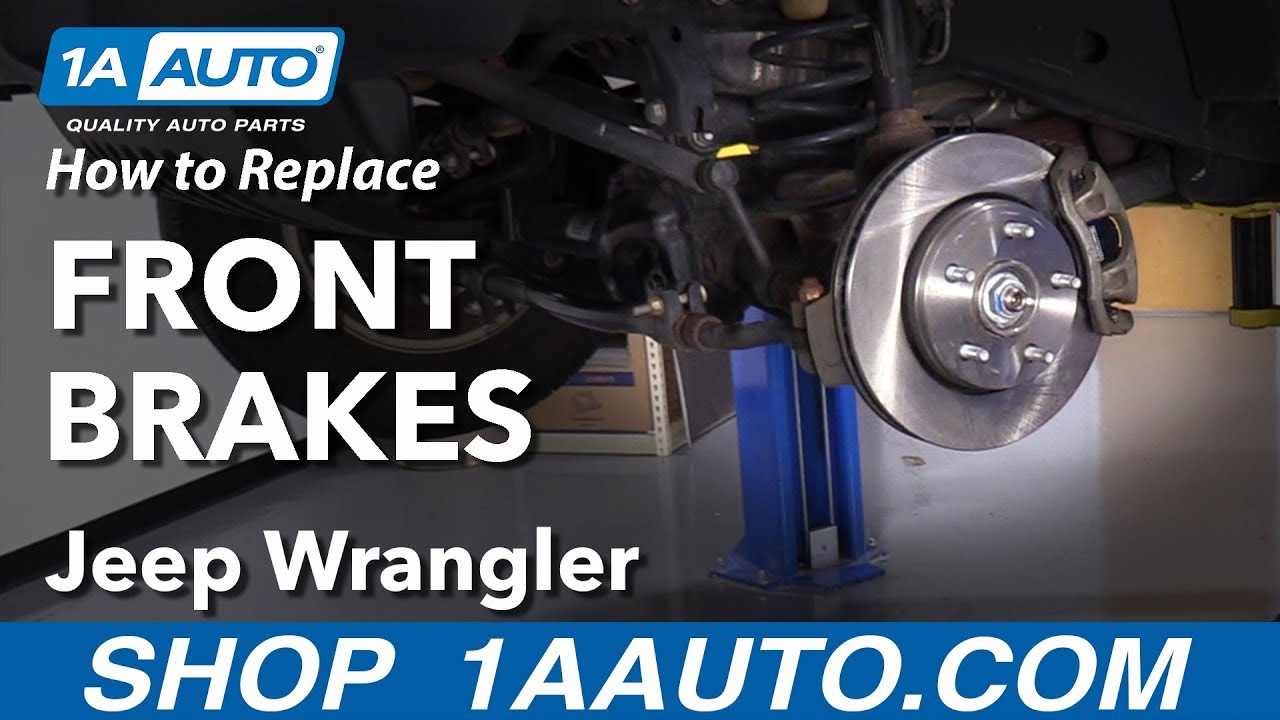
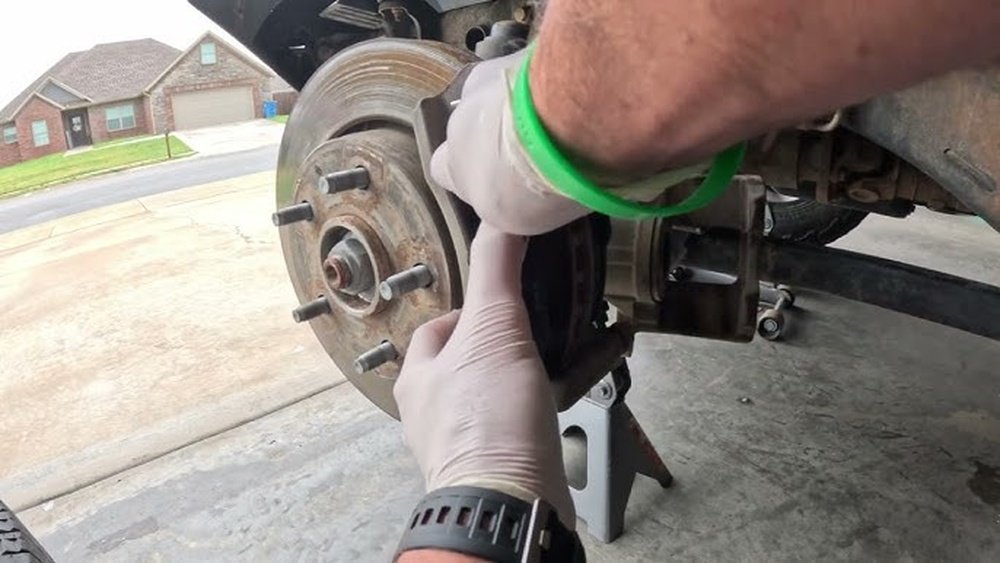
- Locate the brake caliper attached to the rotor.
- Use the socket set to remove the caliper bolts.
- Carefully slide the caliper off the rotor. Support it with a wire or bungee to avoid strain on the brake hose.
2. Remove Old Pads
- Take out the old brake pads from the caliper bracket.
- Use a flat screwdriver if pads are stuck.
3. Compress The Caliper Piston
- Place the old pad against the caliper piston.
- Use a C-clamp or caliper tool to gently compress the piston until it is flush with the caliper housing. This makes space for the new pads.
4. Install New Pads
- Position the new brake pads in the caliper bracket.
- Check for any anti-rattle clips or shims and ensure they are installed correctly.
5. Reinstall The Caliper
- Slide the caliper back over the new pads and rotor.
- Tighten the caliper bolts to the manufacturer’s torque specification.
6. Reinstall Wheels
- Put the wheels back on and hand-tighten the lug nuts.
- Lower the vehicle, then torque the lug nuts to spec.
7. Test Brakes
- Before driving, pump the brake pedal several times to seat the pads.
- Test drive at low speed to ensure proper braking.
Jeep Wrangler Brake Pad Comparison
Jeep owners often wonder about the difference between OEM (original equipment manufacturer) and aftermarket brake pads. Here’s a quick comparison:
| Type | Average Lifespan | Cost (per axle) | Performance |
|---|---|---|---|
| OEM | 30,000–40,000 miles | $60–$120 | Consistent, reliable |
| Aftermarket | 20,000–45,000 miles | $30–$90 | Varies, may offer upgrades |
For most drivers, OEM pads are a safe choice. Aftermarket pads can offer better performance or price, but quality varies.

Common Mistakes And How To Avoid Them
Many beginners overlook important details. Here are two mistakes you should avoid:
- Not cleaning the caliper and bracket: Dirt and old grease cause uneven braking and noise. Always use brake cleaner.
- Forgetting to torque bolts: Loose bolts can cause caliper movement, leading to brake failure. Use a torque wrench.
Another issue is mixing up pad orientation. Some pads have wear indicators that must face a specific direction. Double-check before installing.
When To Change Your Brake Pads
The lifespan of brake pads depends on driving habits and terrain. Here’s a quick guide:
| Driving Type | Pad Change Interval | Signs of Wear |
|---|---|---|
| City driving | 20,000–30,000 miles | Squealing, reduced stopping power |
| Highway driving | 30,000–45,000 miles | Visual wear, thin pad material |
| Off-road | 15,000–25,000 miles | Vibration, uneven wear |
If you hear squealing or feel vibration when braking, check your pads right away. Ignoring these signs can damage rotors and increase repair costs.

Practical Tips For Best Results
- Always replace brake pads in pairs (both front or both rear).
- Use brake grease on contact points to prevent noise.
- Don’t touch pad surfaces with oily hands.
- After installation, avoid hard braking for the first 100 miles to allow pads to bed in.
One insight many miss: Jeep Wranglers often use larger rotors and pads than standard vehicles. This means torque specs and pad sizes can differ between models and years. Always check your specific Jeep’s requirements.
If you need more technical details or want to see official specs, visit the Jeep Wrangler official site.
Frequently Asked Questions
How Often Should I Check My Brake Pads?
Check your brake pads every 10,000 miles or whenever you notice changes in braking performance. It’s a good habit to inspect them during regular tire rotations.
Can I Use Aftermarket Pads On My Jeep Wrangler?
Yes, but quality varies. Choose reputable brands and check for compatibility with your specific Wrangler model and year.
What’s The Average Cost For Diy Brake Pad Replacement?
Expect to spend $40–$120 for pads and basic supplies. Labor costs are saved when you do it yourself.
Do I Need To Change The Rotors Every Time I Change Pads?
Not always. If rotors are smooth and within thickness specs, you can reuse them. If they’re warped or deeply scored, replace them.
Is It Safe To Drive With Worn Brake Pads?
No. Worn pads reduce stopping power and damage rotors. Always replace pads before they reach minimum thickness.
Changing brake pads on your Jeep Wrangler is manageable with the right approach. It saves money and keeps your vehicle performing safely. With careful attention to detail and regular checks, you’ll ensure reliable braking for thousands of miles.