Building a Jeep Wrangler from scratch is a dream for many car enthusiasts. This project blends engineering, creativity, and patience. Whether you want a custom off-road machine or a showpiece, understanding each step is crucial. This guide will take you through sourcing parts, assembly, and tips that most beginners miss.
Planning And Sourcing Parts
Before you start, it’s important to decide the model year and specifications you want. Newer Wranglers have advanced electronics and safety features, but older models offer simpler mechanics. Think about your goals: do you want a rugged off-roader, a daily driver, or something unique for car shows? This choice affects your parts list and budget.
Key parts needed:
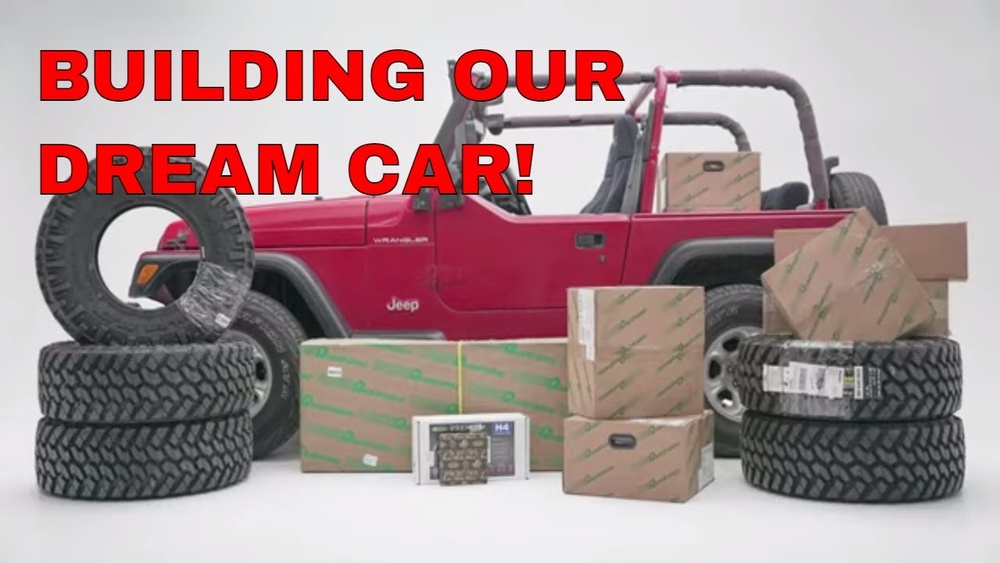
- Chassis/frame
- Engine and transmission
- Suspension and axles
- Body panels
- Interior components
- Electrical system
- Wheels and tires
You can buy parts from salvage yards, online forums, or specialty stores. Always check compatibility with your chosen Wrangler model. Many builders use the TJ or JK models because parts are widely available. A full build may cost $15,000–$30,000 depending on the condition and upgrades. It’s smart to write down every part you need before shopping—missing even a small bracket can delay your project.
Parts quality matters. Used or refurbished parts can save money, but check for wear and damage. For example, a worn axle might need expensive repairs later. Some builders hunt for donor vehicles and strip them for parts. This can be cheaper, but it’s more work.
Online Jeep communities often share advice and deals on used parts.
| Model | Parts Availability | Estimated Cost |
|---|---|---|
| YJ (1987–1995) | Medium | $15,000 |
| TJ (1997–2006) | High | $20,000 |
| JK (2007–2018) | Very High | $25,000 |
Non-obvious tip: Many beginners forget to budget for tools. You’ll need wrenches, jacks, a welder, and safety gear. Renting or buying these adds $2,000–$5,000 to your costs. Also, don’t underestimate small items like fasteners, brackets, and wiring—these can add hundreds to your budget.
Frame And Suspension Assembly
Start with the frame—the backbone of your build. Inspect for rust or cracks. If using a used frame, sandblast and paint to prevent corrosion. A strong, clean frame ensures safety and durability.
Steps:
- Place the frame on jack stands.
- Install suspension components (springs, shocks, control arms).
- Attach axles and verify alignment.
Suspension choice is important. Leaf springs are common on older models, while newer Wranglers use coil springs for better comfort and performance. When installing suspension, follow torque specs closely. Over-tightening can damage parts, while loose bolts can cause failure.
Common mistake: Skipping alignment leads to poor handling. Always use a digital angle finder for accuracy. Poor alignment can also cause uneven tire wear and make steering harder. After assembly, check the alignment again before installing the wheels.
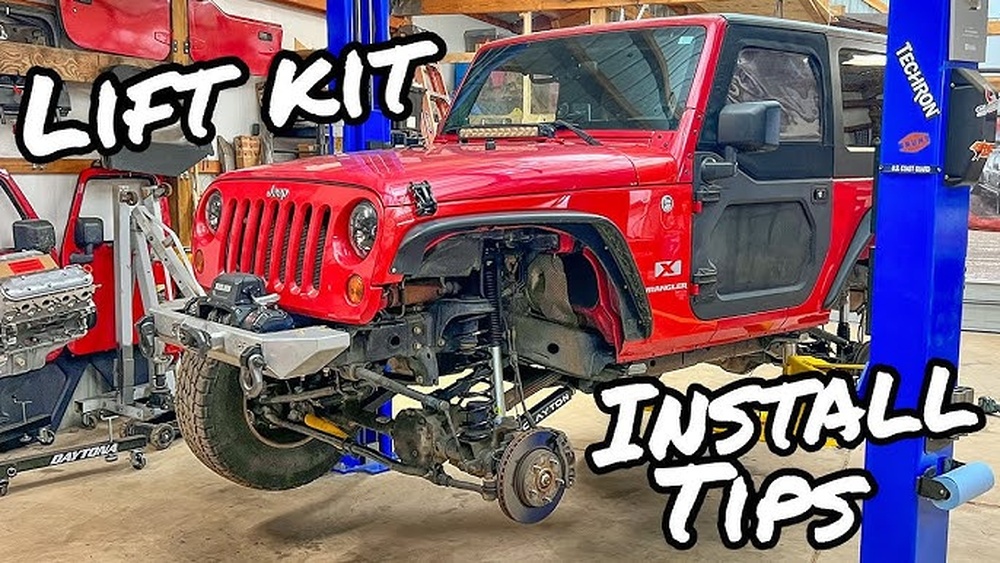
Another detail beginners miss: grease all joints and bushings before installation. This prevents squeaks and improves part life. If you plan to lift your Jeep, double-check if you need extended brake lines or driveshafts.
| Suspension Type | Ride Comfort | Off-road Capability |
|---|---|---|
| Leaf Springs | Moderate | Good |
| Coil Springs | High | Excellent |
Engine And Transmission Installation
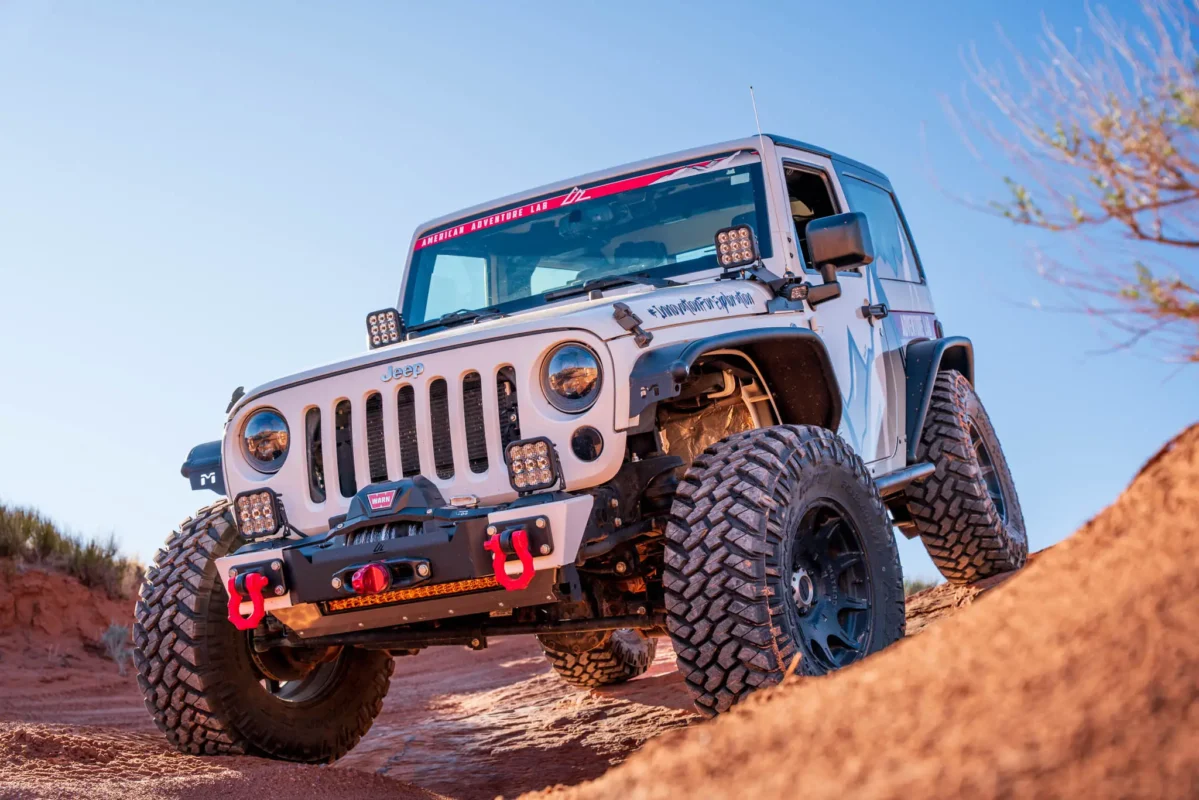
Pick an engine that matches your needs. Most Wranglers use inline-six or V6 engines. For off-roading, torque matters more than horsepower. If you want more power, consider engine swaps, but remember this adds complexity and may need custom mounts.
Steps:
- Mount engine to frame using proper brackets.
- Connect transmission and driveshafts.
- Install cooling system (radiator, hoses).
Fitting the engine is a big moment. Align the mounts and tighten bolts to the correct torque. The transmission should bolt directly to the engine, but check that the driveshafts match your axle setup. Installing the radiator and hoses before wiring can make routing easier.
Non-obvious insight: Many underestimate wiring complexity. Modern engines need precise wiring for sensors and computers. Use factory service manuals for diagrams. Also, label every wire as you work—this saves time when troubleshooting later. If you use a newer engine in an older frame, you may need adapter kits or special electronics.
Take time to check for leaks after installing the cooling system. Use new gaskets for best results. If you plan to use your Jeep for heavy towing or extreme off-roading, upgrade the cooling system with a larger radiator.
Bodywork And Interior
Fit body panels, doors, and hood. Align gaps for a professional look. Install windows and weatherstripping to prevent leaks. Test doors and latches to ensure smooth operation. Paint can be applied before or after assembly, but touch-ups are easier once panels are fitted.
Interior steps:
- Lay sound deadening material.
- Install seats, dashboard, and controls.
- Wire electrical systems (lights, gauges).
Sound deadening improves comfort and reduces road noise. When installing seats and dashboard, use the correct bolts and check for clearance with doors and controls. Wiring for lights and gauges is easier if you map out routes first—use zip ties and conduit to keep wires neat.
Example: Upgrading to heated seats or touchscreen infotainment is easier during this stage. Plan wiring routes before installing panels. If you want custom upholstery or unique lighting, now is the best time to install them.
Non-obvious insight: Install floor mats and interior trim last. This prevents damage during assembly. If you plan to add off-road accessories like a roll cage or winch controls, leave space for wiring and switches.
| Interior Feature | DIY Difficulty | Estimated Cost |
|---|---|---|
| Basic seats | Low | $500 |
| Heated seats | Medium | $900 |
| Touchscreen | High | $1,200 |
Electrical And Final Touches
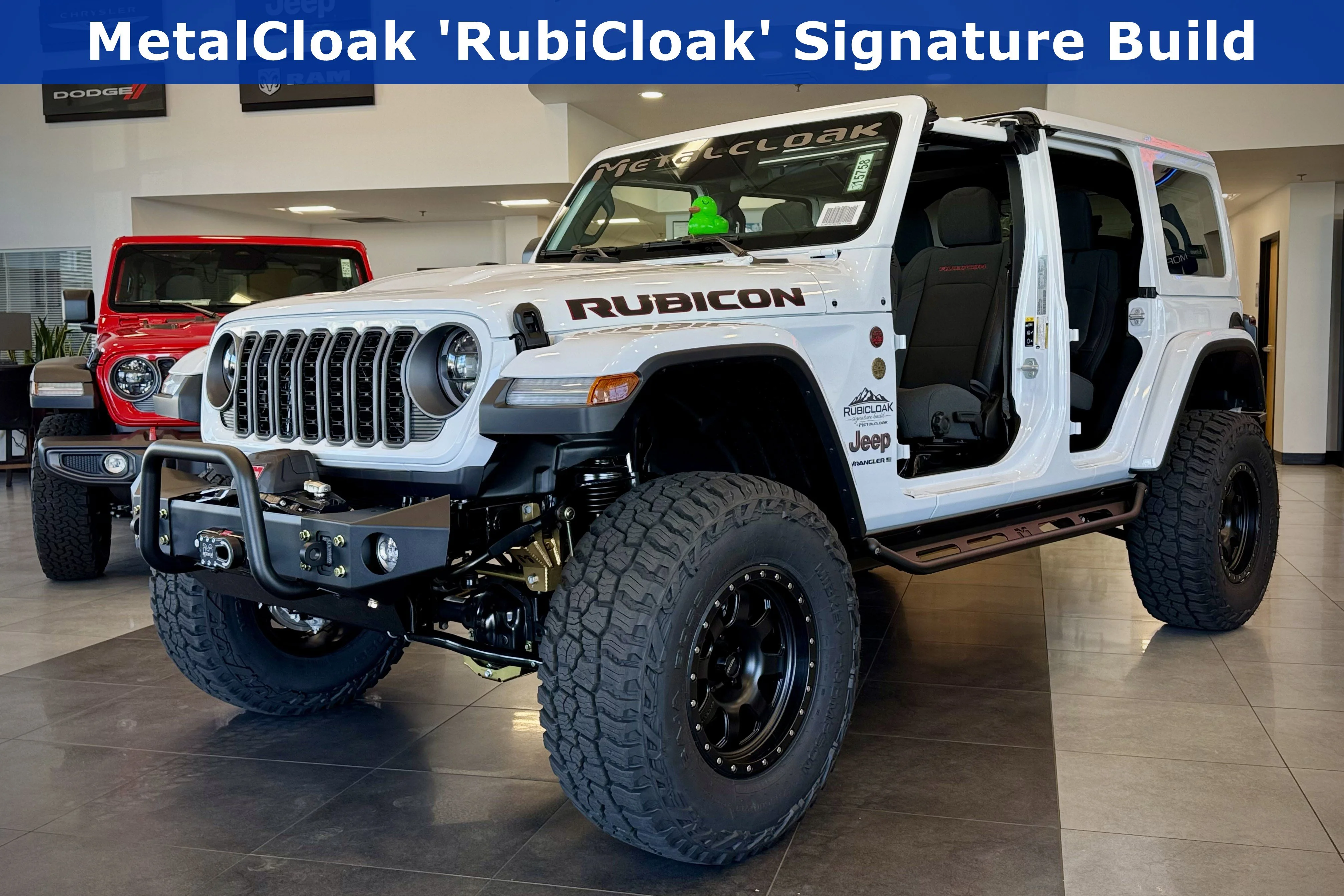
Connect all wiring harnesses. Modern Wranglers have CAN bus systems—double-check connections to avoid electrical issues. If you’re adding custom accessories like off-road lights or winches, use relays and fuses for safety.
Final steps:
- Install battery and test all electrical functions
- Mount bumpers, fenders, and accessories
- Fit wheels and tires
- Fill fluids (oil, coolant, brake fluid)
- Test drive and check for leaks or noises
During testing, listen for unusual sounds and check gauges. If you find a problem, fix it before driving further. It’s wise to check all lights, signals, and safety systems one by one.
Practical tip: Use a checklist for each system. Small mistakes like loose bolts or missed connectors can cause big problems later. Many builders use color-coded checklists for wiring, fluids, and fasteners. Double-check that all bolts are torqued and that every connector is secure.
If you plan to use your Wrangler for tough off-road trails, install skid plates and recovery hooks at this stage. For show builds, polish paint and detail the interior before final photos.
Registration And Legal Considerations
Once your build is complete, you’ll need to register the vehicle. Requirements vary by state. In most cases, you’ll need:
- Proof of parts ownership
- VIN assignment (if you don’t have one)
- Safety and emissions inspection
Some states require receipts for major components. Make sure you save all paperwork during the build. For detailed legal guidance, refer to NHTSA’s official site.
An important detail: If you use parts from multiple vehicles, be prepared to explain their sources. Some states ask for proof that major components are not stolen. If your build includes a custom frame or body, you may need extra inspections.

Frequently Asked Questions
How Long Does It Take To Build A Jeep Wrangler From Scratch?
Most builds take 6–12 months. Time depends on your experience, parts availability, and whether you’re working alone or with help. If you work weekends only, expect the process to stretch longer.
What Tools Are Essential For This Project?
You’ll need mechanic’s tool set, jacks, torque wrench, welder, and safety gear. Specialized tools for engine and suspension work are helpful. For electrical work, a multimeter and wire crimpers are essential.
Can I Use Parts From Different Wrangler Models?
Yes, but check compatibility. Some TJ and JK parts fit together, but electrical and body components may differ. For example, a JK dashboard won’t fit a TJ frame without modifications.
Is It Cheaper To Build Or Buy A Jeep Wrangler?
Building is often more expensive if you count labor and tools. However, you get a custom vehicle tailored to your needs, and you learn valuable skills. For rare models or high-end builds, custom work can offer better value.
Are There Risks In Building My Own Jeep Wrangler?
There are risks like mechanical failure, legal issues, and safety hazards. Careful planning, quality parts, and attention to detail reduce these risks. If you’re unsure about any step, ask experienced builders or consult a professional.
Building a Jeep Wrangler from scratch is a challenging but rewarding journey. It teaches you about engineering, problem-solving, and patience. If you invest the right time and resources, your custom Jeep can rival factory models in both performance and personality. Always remember: attention to detail and safety come first. With smart planning and steady progress, your dream build is within reach.