Jump-starting a car sounds simple, but doing it correctly is vital—especially for modern vehicles like the 2020 Jeep Compass. If your Jeep won’t start and you suspect a dead battery, following the right steps can save you time, money, and avoid damage. This guide will walk you through the process, highlight important safety tips, and answer common questions. Even if you’ve never jump-started a car before, you’ll find clear instructions and practical advice here.
Preparing To Jump Your 2020 Jeep Compass
Before you begin, gather the necessary tools and check your surroundings. You’ll need:
- Jumper cables (good quality, with insulated clamps)
- Another vehicle with a working battery (ideally similar size)
- Gloves and safety glasses (optional, but recommended)
Park the vehicles close enough for the cables to reach, but never let them touch. Turn off both cars and remove the keys. Make sure you have enough light and space to work safely.
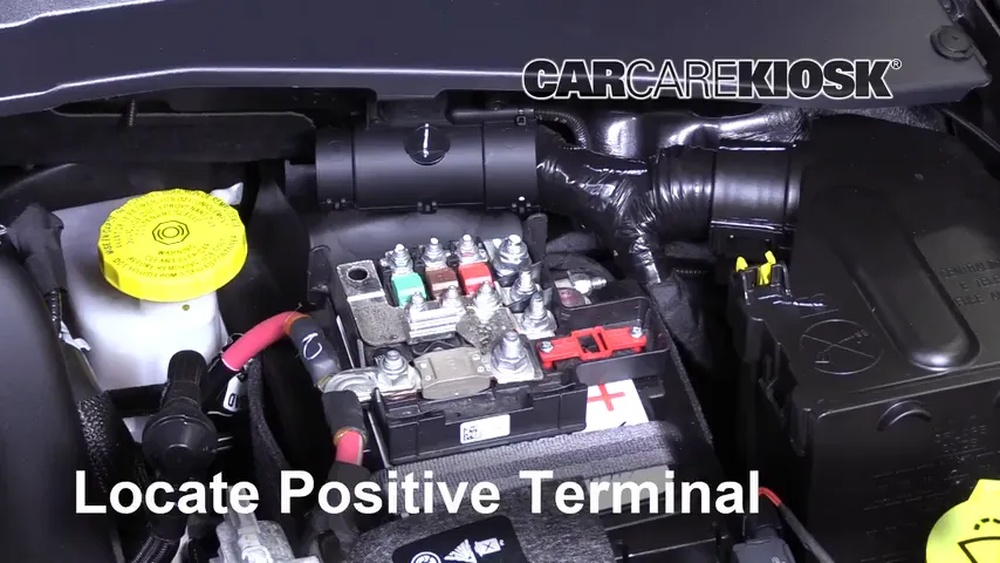
Check the Compass’s battery for signs of damage—like leaks or cracks. If you notice any, do not try to jump it. Call a professional instead.
Step-by-step Jump Starting Process
Jump-starting is simple, but each step matters. Here’s how to do it:
- Open the hood of both vehicles.
- Find the battery terminals. The positive (+) terminal is usually red; the negative (-) terminal is black.
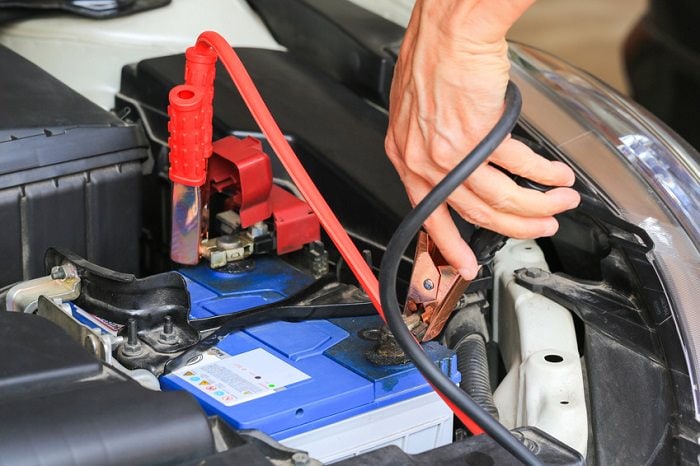
- Attach one end of the red cable to the Jeep’s positive terminal.
- Connect the other end of the red cable to the positive terminal on the helper car.
- Take the black cable and connect it to the negative terminal on the helper car’s battery.
- Attach the other end of the black cable to an unpainted metal surface on the Jeep Compass (not the battery). This reduces the risk of sparks.
- Start the helper car and let it run for a few minutes.
- Try to start your Jeep Compass. If it doesn’t start, wait a bit longer and try again.
Once your Jeep starts, keep it running. Remove the cables in reverse order:
- Black cable from Jeep (metal surface)
- Black cable from helper car (negative terminal)
- Red cable from helper car (positive terminal)
- Red cable from Jeep Compass (positive terminal)
Drive your Jeep for at least 20 minutes to recharge the battery.

Common Mistakes And How To Avoid Them
Jump-starting mistakes are common among beginners. Here are pitfalls to watch for:
- Incorrect cable order: Always connect positive first, then negative.
- Touching cable clamps together: This can cause sparks or short circuits.
- Jumping a damaged battery: If the battery looks swollen or leaks, don’t jump it.
- Using poor-quality cables: Cheap cables may not conduct enough power or could melt.
Many people forget to drive their vehicle after a jump. If you turn off your Jeep right away, it might not keep the charge.
Comparing Battery Types And Jumper Cables
To help you choose the right equipment, here’s a comparison:
| Battery Type | Average Lifespan | Jump-Starting Suitability |
|---|---|---|
| Lead-Acid | 3-5 years | Very Good |
| AGM (Absorbent Glass Mat) | 5-7 years | Good (avoid overcharging) |
| Lithium-Ion | 8-10 years | Usually not jumpable |
For jumper cables:
| Cable Gauge | Best Use | Safety |
|---|---|---|
| 4 Gauge | Most vehicles | High |
| 6 Gauge | Small cars | Medium |
| 8 Gauge | Compact cars | Lower |
Safety Tips And Non-obvious Insights
- Don’t jump in rain or wet conditions. Water increases risk of electrical shock.
- Check for corrosion on terminals. Clean with a wire brush for better connection.
- If the Compass’s electronics flicker after the jump, drive longer or have the battery tested.
- Modern vehicles use computers; always check the manual for battery location and warnings.
- Use a portable jump starter if you’re alone—these are safer and easier than jumper cables.
Many owners don’t realize that frequent jump-starts can signal a failing battery or alternator. If your Jeep Compass needs a jump more than once in a month, have it inspected.
Troubleshooting: If Your Jeep Compass Still Won’t Start
If your Jeep doesn’t start after a jump, try these steps:
- Double-check connections. Loose clamps won’t transfer power.
- Wait longer with the helper car running.
- Ensure the donor battery is strong enough.
- If it still won’t start, the problem could be the starter, alternator, or a blown fuse.
Sometimes, a dead battery is not the root cause. Electrical issues or a faulty starter are also common. For more details, visit the official Jeep Compass guide at Jeep Compass Official Site.
Frequently Asked Questions
How Long Should I Leave The Jumper Cables Attached?
Leave the cables connected for about 2-5 minutes after starting the helper car. This gives the Jeep’s battery time to charge.
Can I Use A Portable Jump Starter Instead Of Jumper Cables?
Yes, a portable jump starter works well. Follow the same process, but connect the device directly to your Jeep’s battery terminals.
Is It Safe To Jump A Hybrid Jeep Compass?
The 2020 Compass is not a hybrid, but for hybrid vehicles, always check the manual. Some hybrids cannot be jump-started in the traditional way.
What Should I Do If My Battery Keeps Dying?
Frequent battery issues mean your battery or alternator may be failing. Have a mechanic test them to avoid being stranded.
Can Jump-starting Damage My Jeep Compass?
If done correctly, jump-starting is safe. Improper technique—like wrong cable order or jumping a damaged battery—can harm electrical systems.
Jump-starting your 2020 Jeep Compass is a straightforward task if you follow these steps and safety tips. By preparing well and avoiding common mistakes, you can get back on the road quickly and safely. If you run into problems, don’t hesitate to seek professional help. Remember, a healthy battery is key to reliable driving.